Reina
Reina 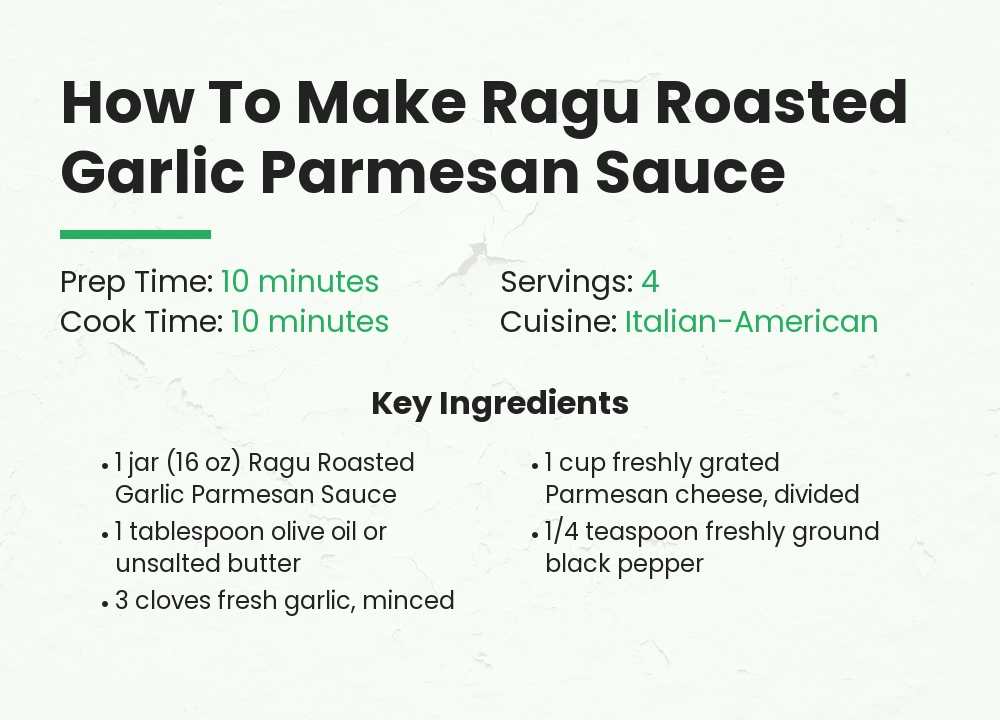
As an Amazon Associate, I may earn a small commission from qualifying purchases at no extra cost to you. This helps me create more valuable, tested content for you.
Some evenings demand more than a quick meal. You need a dish that feels considered, a sauce with depth that clings perfectly to pasta without requiring hours at the stove. I found myself in that exact spot last Thursday, staring at a jar of Ragu’s Roasted Garlic Parmesan sauce.
It was a gift from a friend who knows my dual life as a dietician and a lover of food history. “Try this,” she said, “and tell me what you think.” My professional mind immediately noted the label, but my personal memory was triggered. It reminded me of the long-simmered white sauces my grandmother would make, a weekend project.
This recipe is my answer to that modern dilemma. It transforms a convenient jarred sauce into a restaurant-quality, deeply flavorful parmesan cream sauce in about twenty minutes. You get the complex base of commercially roasted garlic and parmesan, then elevate it with fresh ingredients for a result that is both practical and exceptional.
Let’s build a sauce that delivers on richness, balances nutrition, and brings a touch of slow-cooked comfort to your weekday table.
How to Make Ragu Roasted Garlic Parmesan Sauce recipe
This method builds layers of flavor. We start by sautéing fresh aromatics to add a bright top note to the sauce’s foundational roasted flavor. Enriching with cream and extra cheese creates a luxuriously thick texture. The process is simple, but each step has a purpose.
Recipe Details
- Prep Time: 10 minutes
- Cook Time: 10 minutes
- Total Time: 20 minutes
- Servings: 4
- Course: Main Course
- Cuisine: Italian-American
- Diet: Vegetarian
Ingredients
- 1 jar (16 oz) Ragu Roasted Garlic Parmesan Sauce
- 1 tablespoon olive oil or unsalted butter
- 3 cloves fresh garlic, minced
- 1/2 cup heavy cream or half-and-half
- 1 cup freshly grated Parmesan cheese, divided
- 1/4 teaspoon freshly ground black pepper
- Optional: Pinch of red pepper flakes, 1 teaspoon fresh thyme leaves
Instructions
- Place a medium saucepan over medium-low heat. Add the olive oil or butter.
- Once the fat is warm, add the minced fresh garlic. Sauté for 60-90 seconds until fragrant and just beginning to turn golden. Do not let it brown deeply.
- Pour the entire jar of Ragu Roasted Garlic Parmesan Sauce into the pan. Stir to combine with the sautéed garlic.
- Allow the sauce to warm through for 2-3 minutes, stirring occasionally.
- Reduce the heat to low. Pour in the heavy cream and stir until fully incorporated and the sauce is smooth.
- Gradually add 3/4 cup of the grated Parmesan cheese, stirring constantly until the cheese is completely melted and the sauce is velvety.
- Season with black pepper and any optional herbs or spices. Taste and adjust seasoning if needed. The sauce is now ready to use.
- For serving, toss with cooked pasta, reserving a little pasta water to adjust consistency if necessary. Garnish with the remaining 1/4 cup of Parmesan.
Nutrition
- Calories: 310 kcal
- Protein: 12 g
- Fat: 24 g
- Carbohydrates: 10 g
- Sugar: 4 g
- Fiber: 1 g
- Sodium: 720 mg
- Cholesterol: 65 mg
These values are per serving and are estimates. Sodium and fat content can vary based on the specific jarred sauce and cheese used.
Cooking Method
This recipe uses a stovetop method, specifically simmering and reduction. The process involves gentle heating to meld flavors and slightly reduce the liquid from the added cream, which concentrates the taste and improves the coating texture on pasta.
Tools Needed
- Medium saucepan (2-3 quart capacity)
- Wooden spoon or silicone spatula
- Microplane or box grater for cheese
- Garlic press or chef’s knife for mincing
- Measuring cups and spoons
Understanding Your Core Ingredients
Every component in this recipe plays a specific role. Knowing why we use each item, and the alternatives available, empowers you to adapt the dish to your taste and dietary needs with confidence.
Ragu Roasted Garlic Parmesan Sauce
This jarred sauce is the foundation. Its primary function is to provide a deep, savory base of already-caramelized roasted garlic and aged cheese flavor that would otherwise take significant time to develop. As a culinary historian, I note this is a modern interpretation of a “salsa bianca,” leveraging industrial kettle cooking for consistency.
Examining the label, you’ll see ingredients like modified corn starch and xanthan gum. These are stabilizers that prevent separation and ensure a smooth texture from the jar. Disodium phosphate is often used in processed cheese sauces to maintain emulsification. When we add fresh cream and cheese, we are both enriching and slightly diluting this stabilized system, creating a more complex profile.
Parmesan Cheese: The King of Umami
Not all Parmesan is equal. The pre-grated cheese in tubs often contains anti-caking agents like cellulose. For this recipe, I insist on a wedge of Parmigiano-Reggiano or Grana Padano that you grate yourself. The flavor difference is profound.
True Parmigiano-Reggiano is aged for over 12 months, developing crystalline structures of amino acids like glutamate. These compounds are responsible for the savory umami taste that amplifies the savory notes in the garlic and cream. The fresh grating also ensures it melts smoothly into a silky sauce, free of grittiness.
The Two Faces of Garlic
We use garlic in two distinct forms here, and they are not interchangeable. The sauce provides roasted garlic. Roasting transforms raw garlic’s sharp, pungent heat into a sweet, nutty, almost buttery paste. This mellowness forms the background flavor.
The fresh minced garlic we sauté offers a brighter, more aromatic punch. This dual-garlic approach creates a complex flavor profile with both immediate aroma and lingering, rounded depth. Garlic powder, while convenient, lacks the moisture and nuanced compounds of fresh, and cannot replicate the caramelized sweetness of roasted.
Heavy Cream and Fats
Heavy cream, with its high fat content (36-40%), is chosen for its stability. It can be simmered without curdling, and its fats carry flavor molecules directly to our taste receptors. The fat also coats the tongue, providing a luxurious mouthfeel.
Olive oil or butter at the start is our cooking fat. Olive oil, especially extra virgin, introduces fruity, peppery notes. Unsalted butter contributes milk solids that brown slightly, offering a richer, more rounded flavor. Your choice here subtly directs the final taste.
Nutritional Perspective and Adaptations
From a dietary standpoint, this is a rich sauce. It provides a significant amount of calcium from the dairy, along with protein and fats that contribute to satiety. The sodium content is considerable, primarily from the jarred sauce and the cheese.
Balancing this sauce within a meal is key. I recommend pairing it with a substantial portion of a fibrous vegetable, like the frozen broccoli often suggested in related recipes, and a lean protein such as grilled chicken or shrimp. This creates a more complete meal with fiber, vitamins, and minerals.
Making Dietary Adjustments
You can modify this recipe to suit various dietary requirements without losing its essential character.
For a Lighter Version
Substitute the heavy cream with half-and-half or whole milk. Be careful to heat gently and avoid a rolling boil to prevent separation. You can also use a lower-fat “light” jarred Alfredo sauce as your base, though the flavor will be less robust.
For Vegan or Dairy-Free Needs
This requires more significant swaps. Use a plant-based Alfredo sauce (often cashew or cauliflower-based) as the jarred foundation. Replace the heavy cream with full-fat canned coconut milk or a store-bought vegan cream. Nutritional yeast, blended raw cashews, or a commercial vegan parmesan alternative can replicate the cheesy, umami quality.
Managing Sodium
To reduce sodium, look for a “no salt added” Alfredo sauce. Use unsalted butter and a very modest hand with the added Parmesan cheese, perhaps opting for a sharper variety so you can use less. Herbs like thyme, rosemary, or red pepper flakes can enhance flavor without salt.
Expert Techniques for a Perfect Sauce
Success hinges on a few simple but critical techniques. Avoiding common mistakes ensures your sauce is smooth, flavorful, and perfectly textured every time.
Always grate your cheese from a block. Pre-grated cheese contains starches that can make your sauce grainy or prevent it from melting seamlessly. A Microplane grater creates a fine, fluffy powder that dissolves almost instantly into the warm liquid.
Control your heat. After adding the cream and cheese, keep the temperature low. A rapid boil can cause the dairy proteins to over-coagulate, leading to a grainy or broken sauce where fat separates. Gentle warmth is enough to melt cheese and blend flavors.
If your sauce seems too thick after adding the cheese, thin it with a splash of the water you used to cook your pasta. This starchy water integrates perfectly, adding body and salinity while adjusting consistency. Avoid using plain water, which can dilute flavor.
Serving, Pairing, and Storage Instructions
This sauce is versatile. While it is superb on fettuccine, it also excels as a base for one-pot dishes.
For a complete meal, try a one-pot creamy garlic chicken pasta. Brown chicken pieces in your pot, remove them, then use the same pot to build the sauce. Add the sauce, cream, and cheese, then stir in dried penne and broth. Simmer until the pasta is cooked, returning the chicken at the end. The starch from the pasta thickens the sauce beautifully.
It makes an excellent topping for steamed or roasted vegetables, especially broccoli, cauliflower, or asparagus. You can also use it as a rich dipping sauce for breadsticks or a base for a creamy pizza white sauce.
Store any leftover sauce in an airtight container in the refrigerator for up to 3 days. Reheat it slowly in a saucepan over low heat, adding a small amount of milk or cream to loosen it if it has thickened. I do not recommend freezing this sauce, as the dairy can separate and become grainy upon thawing.
The Story Behind the Flavors
The concept of a garlic and cheese sauce has roots in several European traditions. Northern Italian cuisine has “Panna e Parmigiano,” a simple combination of cream and Parmesan. French cooking has “Sauce Mornay,” a béchamel with Gruyère.
The American innovation, seen in dishes like fettuccine Alfredo, often simplifies these techniques into a direct cream-and-cheese emulsion. The use of roasted garlic is a more recent, widespread culinary trend that taps into our understanding of the Maillard reaction—the browning that creates deep, complex flavors.
Jarred sauces like Ragu’s “Kettle Cooked” line bring this slow-cooked, caramelized flavor profile into the home kitchen instantly. This recipe bridges that convenience with the traditional practice of finishing a sauce with fresh, high-quality ingredients, a principle at the heart of good cooking for centuries.
Frequently Asked Questions
Can I use Ragu Alfredo sauce instead of the Roasted Garlic Parmesan?
Yes, you can. The Alfredo sauce will provide a richer, creamier, and more buttery base but will lack the distinct sweet, nutty flavor of roasted garlic. You may want to add a half teaspoon of garlic powder to the sauté step to compensate, though the flavor profile will be different.
My sauce became too thick. How can I fix it?
The easiest fix is to incorporate a small amount of liquid. The best choice is reserved pasta water, a tablespoon at a time, stirred in over low heat. Alternatively, you can use warm milk or additional cream. The starch in the pasta water helps bind the sauce without making it thin or watery.
Is there a way to make this sauce without heavy cream?
You can use half-and-half or whole milk. The sauce will be slightly less rich and thick. To help it thicken, allow it to simmer gently for a few extra minutes after adding the cheese. A small slurry of cornstarch and cold milk (1 teaspoon cornstarch to 1 tablespoon milk) stirred in at the end can also provide body.
How long will this homemade version last in the fridge?
When stored in a sealed container, your enhanced sauce will keep for 3 days. The fresh dairy and cheese make it less shelf-stable than the original jarred product. Always reheat it gently on the stovetop and give it a good stir before use.
What pasta shapes work best with this sauce?
Long, ribbon-style pastas like fettuccine, tagliatelle, or pappardelle are classic choices because the flat surfaces hold the creamy sauce well. Short shapes with grooves or tubes like penne rigate, rigatoni, or shells are also excellent, as their structures trap the sauce inside.
Can I add protein to this sauce?
Absolutely. Diced, cooked chicken breast, sautéed shrimp, or even Italian sausage are excellent additions. For a vegetarian protein, consider cannellini beans or chickpeas. Add your cooked protein to the sauce at the very end, just to warm through, preventing it from becoming tough or overcooked.