Reina
Reina 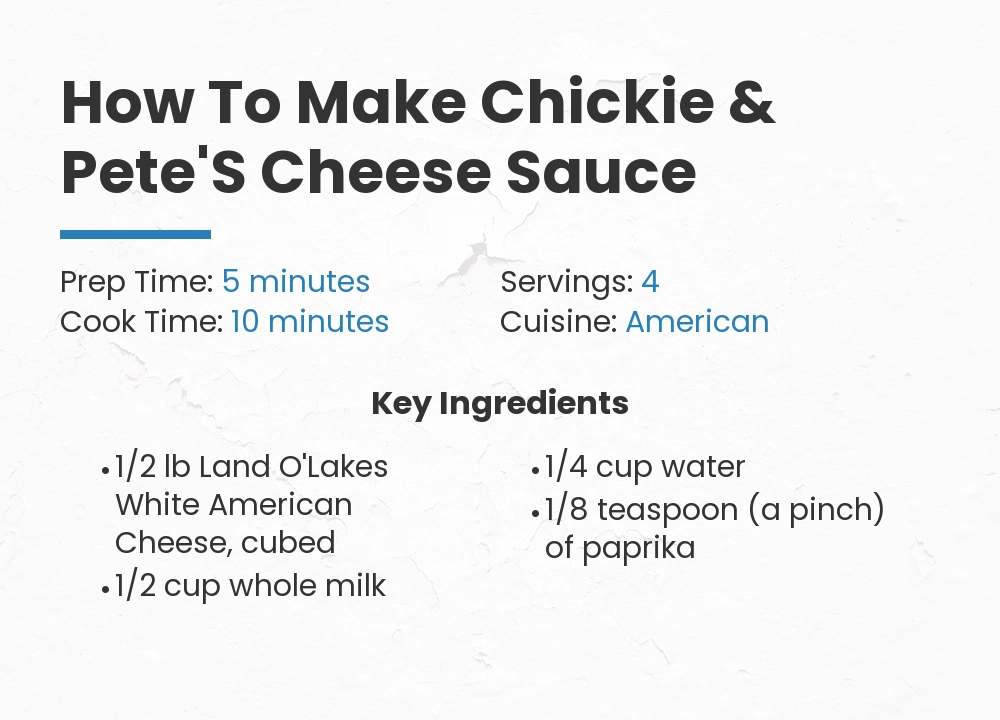
As an Amazon Associate, I may earn a small commission from qualifying purchases at no extra cost to you. This helps me create more valuable, tested content for you.
The first time I tasted Chickie & Pete’s cheese sauce was at a Philadelphia sporting event. The combination of hot, crispy crinkle-cut fries coated in Chesapeake Bay seasoning, dipped into that uniquely smooth, creamy cheese sauce created a distinct memory. It was more than a condiment; it was the main event.
For years, that specific texture and flavor seemed like a guarded secret, something you could only get at the stadium or one of their restaurant locations. After numerous attempts in my own kitchen, I found the method. This cheese dip is deceptively simple, relying on technique and one specific ingredient to achieve its famous consistency.
This guide will provide the exact steps to recreate that iconic cheese sauce. We will also explore the science behind its smoothness, how to adapt it for various dietary needs, and the best ways to serve it beyond just a bowl of fries.
How to Make Chickie & Pete’s Cheese Sauce recipe
This copycat recipe focuses on the classic, stovetop method that gives you the most control over the final consistency. The goal is a sauce that is pourable while warm and clings to your fries without being stringy or greasy.
Recipe Details
- Prep Time: 5 minutes
- Cook Time: 10 minutes
- Servings: 4
- Course: Appetizer, Side Dish
- Cuisine: American
- Diet: Vegetarian
Ingredients
- 1/2 lb Land O’Lakes White American Cheese, cubed
- 1/2 cup whole milk
- 1/4 cup water
- 1/8 teaspoon (a pinch) of paprika
Instructions
- Begin by cutting the block of white American cheese into small, half-inch cubes. This increases the surface area and helps the cheese melt evenly and quickly.
- Combine the milk and water in a medium-sized saucepan. Place the saucepan over medium heat. You want the liquid mixture to become hot but not reach a simmer or boil.
- Gradually add the cubed American cheese to the warm liquid. Use a spatula to stir constantly. The cheese will begin to melt slowly into the liquid.
- Continue stirring for about 5 to 7 minutes. Ensure the heat remains at a consistent medium to prevent the dairy from scorching on the bottom of the pan.
- Once all the cheese has melted and the mixture is completely smooth, add the pinch of paprika. Stir it in thoroughly until the sauce has a uniform, pale orange color.
- Immediately remove the sauce from the heat. It is now ready to be served. For the best consistency, use it within 10 to 15 minutes of preparation.
Nutrition
- Calories: 210 kcal
- Protein: 12 g
- Fat: 16 g
- Carbohydrates: 4 g
- Sugar: 3 g
- Fiber: 0 g
- Sodium: 920 mg
- Cholesterol: 50 mg
Cooking Method
The primary cooking method for this cheese sauce is stovetop simmering. This technique provides direct and adjustable heat, which is required for gently melting the cheese without breaking the emulsion. A slow, steady melt over medium heat is the key to a smooth sauce.
Tools Needed
- Medium-sized saucepan
- Rubber spatula or wooden spoon
- Measuring cups
- Knife and cutting board
Understanding the Core Ingredients
The simplicity of this recipe means each component plays a critical role. Substituting or altering these ingredients will change the final product significantly. Let’s examine why each one is non-negotiable for an authentic result.
White American Cheese
Land O’Lakes White American Cheese is the definitive base for this sauce. This specific brand and type of cheese is essential because of its composition. American cheese is a processed cheese product, which means it contains emulsifying salts.
These salts, typically sodium citrate or phosphate, prevent the proteins and fats in the cheese from separating when heated. This is why you achieve a smooth, creamy sauce instead of a greasy, grainy one. The “white” variety provides the classic color associated with the restaurant’s version.
Using a different type of cheese, like cheddar or a block of deli American from another brand, will not yield the same texture. The melting properties and flavor profile will be different.
Milk and Water
The liquid component is a strategic blend of whole milk and water. The milk adds richness and a creamy dairy flavor that enhances the cheese. Using a lower-fat milk will result in a thinner, less flavorful sauce.
The addition of water is a crucial technical step. It dilutes the milk proteins slightly and helps to control the temperature. This prevents the dairy from overheating and curdling while the cheese melts. The combined liquid creates the perfect medium for the cheese to hydrate and melt into a silky consistency.
Paprika
A small amount of paprika is used primarily for color. The original cheese sauce has a very mild, creamy flavor with a slight orange hue. The paprika achieves this color without introducing a strong, spicy flavor that would alter the profile.
It is not meant to make the sauce spicy. It simply bridges the visual gap between the white cheese and the familiar appearance of the dip you get with your crab fries.
The Science of a Smooth Cheese Sauce
Creating a stable cheese sauce is an exercise in food science. The primary challenge is managing the emulsion—the stable mixture of fat, water, and protein. When you heat cheese, its protein structure tightens and squeezes out fat, leading to separation.
Processed American cheese is designed to resist this. The emulsifying salts within it act as a bridge between the protein molecules and water, allowing them to mix smoothly. This is why it melts into such a uniform liquid compared to natural cheeses.
Controlling heat is the other half of the equation. Applying too much heat, too quickly, can overwhelm the emulsifiers. This causes the proteins to coagulate rapidly and the fats to pool. A gentle, gradual melt over medium heat gives the emulsifiers time to work effectively.
Constant stirring is not just to prevent burning. It introduces mechanical energy that helps distribute the heat evenly and encourages the formation of a smooth, homogeneous mixture from the very beginning.
Perfect Pairings and Serving Ideas
While famously paired with crab fries, this cheese sauce’s utility extends far beyond a single dish. Its creamy, mild flavor makes it an excellent complement for a variety of foods.
The Classic: Crab Fries
To make authentic crab fries, start with a bag of frozen crinkle-cut fries. The ridges and shape of these fries are ideal for holding seasoning and cheese. Bake or air-fry them until they are extra crispy.
Immediately after they come out of the oven, toss the hot fries in a bowl with a generous amount of Chesapeake Bay seasoning, also known as Old Bay. The heat helps the seasoning adhere. Serve them with a side of the warm cheese sauce for dipping.
Beyond the Fries
This cheese sauce can transform a simple meal. Drizzle it over a grilled cheesesteak for an extra layer of richness. Use it as a dipping sauce for fried chicken tenders or boneless wings instead of ranch or bleu cheese.
It makes a excellent topping for a burger, especially one with bacon. You can even steam some broccoli and use this sauce as a flavorful, simple topping that both adults and children will enjoy.
Dietary Adaptations
With a few modifications, you can adjust this recipe to meet various dietary requirements. The core challenge is replicating the melting properties of American cheese.
Gluten-Free Version
The standard recipe is naturally gluten-free. American cheese, milk, and water do not contain gluten. Always double-check the labels on your specific brand of cheese and seasoning to ensure no gluten-containing additives are present.
Vegan and Dairy-Free Version
Creating a vegan version is the most complex adaptation. You need to replicate the melting function of the emulsifying salts. Start with a store-bought vegan American cheese block that is designed to melt.
Combine 1/2 cup of unsweetened, unflavored plant-based milk (like oat or cashew) with 1/4 cup of water. Add 1/4 teaspoon of sodium citrate, which you can purchase online. Heat the liquid and sodium citrate until dissolved, then slowly whisk in the cubed vegan cheese until smooth.
Lower-Sodium Version
The sodium content in this sauce is high, primarily from the cheese. To reduce it, look for a “low-sodium” or “light” American cheese product. Be aware that this may slightly alter the melting texture and flavor. You can also omit any added salt from the crab fries seasoning.
Avoiding Common Mistakes
Many home cooks run into issues when attempting a cheese sauce. Here are the most frequent pitfalls and how to avoid them for a perfect result every time.
Grainy or Separated Sauce
A grainy texture occurs when the cheese is overheated. The proteins become tough and expel their fat. If your sauce breaks, remove it from the heat immediately. Try adding a small splash of cold milk and whisk vigorously. This can sometimes shock the emulsion back into place.
sauce is Too Thick
If your cheese sauce becomes too thick, it likely reduced too much as it cooked. Thin it out by whisking in a tablespoon of warm milk or water at a time until it reaches your desired consistency. Always add liquid gradually.
Using Pre-Shredded Cheese
Never use pre-shredded cheese for this recipe. These products are coated with anti-caking agents like potato starch or cellulose. These coatings prevent the cheese from melting smoothly and will create a clumpy, pasty sauce.
Storage and Reheating Instructions
This cheese sauce is best enjoyed immediately after making it. However, if you have leftovers, proper storage and reheating are important.
Allow the sauce to cool completely to room temperature. Transfer it to an airtight container and store it in the refrigerator for up to three days. The sauce will solidify when chilled.
To reheat, place the desired amount in a microwave-safe bowl. Heat it on medium power in 30-second intervals, stirring thoroughly between each interval. You can also reheat it gently in a saucepan over low heat, adding a teaspoon of milk to help loosen it up as it warms.
Reheating it too quickly will cause it to separate. Avoid boiling the sauce when reheating on the stovetop. The gentle, patient method is the only way to restore its creamy texture.
Frequently Asked Questions
What is Chickie & Pete’s cheese sauce made of?
The primary ingredient is white American cheese, specifically Land O’Lakes brand. It is thinned with a mixture of whole milk and water to achieve its signature dipping consistency. A small amount of paprika is added for color.
Why did my cheese sauce turn out oily?
An oily sauce is a sign of a broken emulsion. This happens when the cheese is heated too quickly or over too high of a heat. The fat separates from the proteins. To fix it, try whisking in a splash of cold milk off the heat.
Can I make this cheese sauce in a microwave?
Yes, you can use a microwave. Combine the cubed cheese, milk, and water in a medium-sized microwave-safe bowl. Heat on high for 1 minute, then stir. Continue heating in 30-second intervals, stirring after each, until completely smooth.
What can I use if I can’t find Land O’Lakes cheese?
Look for another brand of *white* American cheese from the deli counter, not the individually wrapped slices. Boar’s Head is a common alternative that melts well. The key is to avoid yellow American cheese and pre-sliced varieties for packaging.
Is this sauce the same as queso?
No, this is not a traditional queso. Mexican queso dip, or queso blanco, is typically made with white melting cheeses like asadero or Chihuahua cheese and often includes peppers and spices. This cheese sauce is much simpler and has a different flavor profile.
How can I make my sauce spicier?
For a spicy kick, you can add a few dashes of hot sauce, such as Buffalo sauce, to the finished cheese dip and stir to combine. Alternatively, a pinch of cayenne pepper or chili powder can be mixed in with the paprika.