Reina
Reina 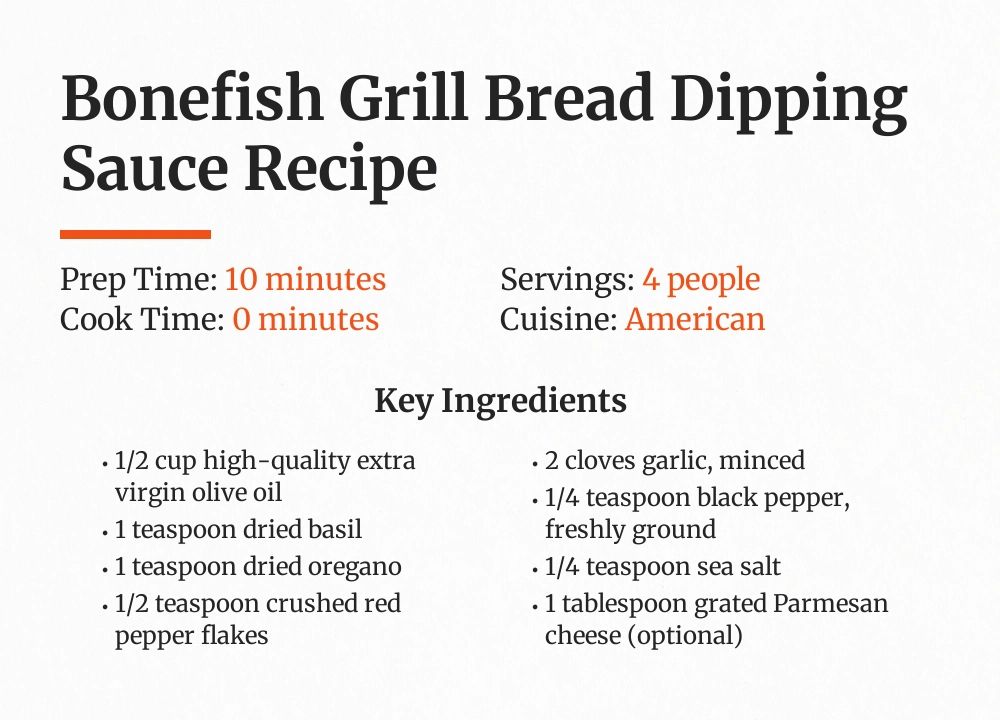
As an Amazon Associate, I may earn a small commission from qualifying purchases at no extra cost to you. This helps me create more valuable, tested content for you.
That moment when a restaurant appetizer becomes the highlight of the meal is unforgettable. For many, the bread dipping sauce at Bonefish Grill embodies this experience. Its harmonious blend of olive oil, herbs, and spices elevates simple bread into a memorable start to any dinner.
I spent time in my kitchen testing various combinations to replicate that signature flavor. This process involved analyzing each component for balance and authenticity. Now, I want to guide you through creating this sauce yourself, ensuring you achieve the same depth of taste.
Beyond the recipe, we will examine the nutritional aspects, historical roots, and practical adaptations. This approach helps you understand not just how to make it, but why it works so well. Let’s begin with the core recipe to get you started immediately.
How to Make Bonefish Grill Bread Dipping Sauce Recipe
This section provides the complete recipe for recreating the classic Bonefish Grill dipping sauce. Follow these steps for a result that mirrors the restaurant’s offering. Each ingredient and step is chosen to build layers of flavor efficiently.
Recipe Details
- Prep Time: 10 minutes
- Cook Time: 0 minutes
- Servings: 4 people
- Course: Appetizer
- Cuisine: American
- Diet: Vegetarian
Ingredients
- 1/2 cup high-quality extra virgin olive oil
- 1 teaspoon dried basil
- 1 teaspoon dried oregano
- 1/2 teaspoon crushed red pepper flakes
- 2 cloves garlic, minced
- 1/4 teaspoon black pepper, freshly ground
- 1/4 teaspoon sea salt
- 1 tablespoon grated Parmesan cheese (optional)
Instructions
- Pour the extra virgin olive oil into a medium-sized bowl.
- Add the dried basil, dried oregano, crushed red pepper, minced garlic, black pepper, and sea salt to the oil.
- If using Parmesan cheese, sprinkle it into the mixture.
- Whisk all ingredients together until well combined. Let it sit for 5 minutes to allow flavors to meld.
- Serve immediately with your choice of bread for dipping.
Nutrition
- Calories: 250 kcal
- Protein: 1 g
- Fat: 27 g
- Carbohydrates: 2 g
- Sugar: 0 g
- Fiber: 1 g
- Sodium: 150 mg
- Cholesterol: 0 mg
Cooking Method
This recipe requires no heat application. The method involves mixing ingredients at room temperature to preserve the raw, vibrant flavors of the olive oil and herbs. This technique ensures the sauce retains its nutritional profile and fresh taste.
Tools Needed
- Medium mixing bowl
- Whisk or fork for stirring
- Measuring spoons and cups
- Knife and cutting board for garlic
- Airtight container for storage
Understanding the Ingredients
Each component in this dipping sauce contributes to its overall profile. Selecting the right versions of these ingredients can significantly impact the final result. We will explore why specific choices matter and how they interact.
Extra Virgin Olive Oil
Extra virgin olive oil serves as the foundation of this sauce. It is cold-pressed, retaining more antioxidants and polyphenols compared to refined oils. The flavor notes should be fruity or peppery, not bitter, to complement the herbs.
High-quality oil has a lower acidity level, which enhances the sauce’s smoothness. Avoid using cheap oils or blends, as they can introduce off-flavors. Store olive oil in a cool, dark place to prevent rancidity.
Dried Herbs and Spices
Dried basil and oregano provide earthy, aromatic qualities that define the sauce. These herbs are concentrated in dried form, offering a more intense flavor than fresh ones in this context. Ensure they are recent purchases for maximum potency.
Crushed red pepper adds a subtle heat that balances the richness of the oil. The flake size affects spice distribution; finer flakes integrate more evenly. Black pepper and sea salt enhance depth without overwhelming the palate.
Garlic and Cheese
Fresh garlic cloves, minced finely, release allicin, which contributes both flavor and health benefits. Using fresh rather than pre-minced garlic avoids preservative tastes. Parmesan cheese, if included, adds umami and a slight saltiness.
For those avoiding dairy, nutritional yeast can mimic this effect. The cheese should be grated just before use to prevent clumping in the oil. This ingredient is optional but traditional in many versions.
Nutritional Profile and Health Benefits
This dipping sauce is rich in monounsaturated fats from olive oil, which support heart health. These fats can help reduce bad cholesterol levels when consumed as part of a balanced diet. The herbs contribute antioxidants that combat oxidative stress.
Garlic contains compounds like allicin, which have antimicrobial properties. The low carbohydrate content makes it suitable for various eating plans. However, portion control is advised due to the high calorie density from fats.
Including this sauce in meals can increase vegetable intake if used with fresh bread and salads. It provides a healthier alternative to creamy dips high in saturated fats. Always consider individual dietary needs when incorporating it into your routine.
Adapting the Recipe for Dietary Needs
Many people require modifications to recipes based on health preferences or restrictions. This sauce is highly customizable without sacrificing flavor. Below are common adaptations you can implement easily.
Vegan and Dairy-Free Options
To make this recipe vegan, omit the Parmesan cheese or use a plant-based alternative. Nutritional yeast flakes can replicate the cheesy flavor while adding B vitamins. Ensure all other ingredients, like the olive oil, are certified vegan.
Some commercial cheese substitutes may alter the texture, so test small batches first. This version retains the core flavors while aligning with vegan principles. It remains rich in healthy fats and antioxidants.
Low-Sodium and Gluten-Free Variations
Reduce the sea salt or use a salt substitute for a low-sodium version. Herbs like rosemary or thyme can enhance taste without added salt. For gluten-free needs, pair the sauce with gluten-free bread or crackers.
Always check that dried herbs and spices are processed in gluten-free facilities. These changes allow individuals with specific health conditions to enjoy the sauce safely. The nutritional benefits remain largely unchanged.
The History and Culture of Bread Dipping
Dipping bread into seasoned oils has roots in Mediterranean cultures, particularly Italy. This practice dates back centuries, where olive oil was a staple condiment. It was a simple way to enhance stale bread and make it palatable.
In American cuisine, restaurants like Bonefish Grill popularized this as an appetizer. It reflects a blend of traditional methods with modern dining trends. Understanding this background adds appreciation for the recipe’s simplicity and elegance.
Today, it symbolizes communal eating and the joy of sharing food. Variations exist globally, but the core idea of using oil as a dip remains consistent. This historical context enriches the experience of making and consuming it.
Expert Tips for Perfect Dipping Sauce
Achieving the ideal consistency and flavor requires attention to detail. Use freshly minced garlic to avoid bitterness from pre-packaged options. Let the sauce rest for a few minutes after mixing to allow the oil to absorb the herb flavors.
If the oil solidifies in cooler temperatures, gently warm the bowl with your hands or place it in a warm spot. Avoid microwaving, as heat can degrade the olive oil’s quality. Stir the sauce before each use to redistribute settled ingredients.
For a smoother texture, crush dried herbs between your fingers before adding. This releases essential oils and intensifies the aroma. Always taste and adjust seasonings based on the bread you are using, as saltiness can vary.
Serving Suggestions and Pairings
This sauce pairs excellently with crusty French bread or baguettes, which have a firm texture that holds up to dipping. Whole grain or sourdough breads offer complementary flavors that enhance the herbal notes. Avoid overly soft breads that may disintegrate.
Serve it as part of an appetizer spread with cheese cubes, crackers, and fresh vegetables. It can also accompany main dishes like grilled fish or salads, acting as a dressing. The versatility makes it suitable for various meal occasions.
For a complete experience, consider offering multiple dips with different flavor profiles. This allows guests to customize their tasting. Always provide a small bowl or plate for each person to prevent cross-contamination.
Storage and Shelf Life
Store any leftover sauce in an airtight container in the refrigerator for up to three days. The olive oil may solidify when chilled, but it will return to liquid at room temperature. Shake or stir well before reuse to blend separated ingredients.
Do not freeze the sauce, as freezing can alter the texture and flavor of the olive oil and herbs. If you make a larger batch, consider dividing it into smaller portions for easier use. Always check for off odors or signs of spoilage before consuming.
For longer storage, omit fresh garlic and add it fresh when serving. This prevents microbial growth and maintains quality. Proper storage ensures you can enjoy the sauce safely over multiple days.
The Science of Flavor Emulsion
This dipping sauce is a simple emulsion where oil acts as the continuous phase, and solid ingredients are suspended. Herbs and spices release their flavors into the oil through infusion, not dissolution. This process is driven by time and agitation.
Garlic’s allicin compound is oil-soluble, which allows it to disperse evenly and provide consistent taste. The stability of the emulsion depends on the viscosity of the oil and the size of the particulate matter. No emulsifiers are needed due to the low water content.
Understanding this helps in adjusting the recipe; finer grinding of herbs increases surface area for better flavor extraction. This scientific perspective ensures reproducible results each time you prepare the sauce.
Frequently Asked Questions
What is Bonefish Grill bread dipping sauce made of?
It typically consists of extra virgin olive oil, dried herbs like basil and oregano, garlic, crushed red pepper, salt, and black pepper. Some versions include Parmesan cheese for added richness.
Can I use fresh herbs instead of dried?
Yes, but use three times the amount of fresh herbs, as dried are more concentrated. Fresh herbs may introduce moisture, so consume the sauce immediately to prevent spoilage.
How long can I store homemade dipping sauce?
When stored in an airtight container in the fridge, it lasts up to three days. For best quality, make it fresh each time you plan to serve it.
Is this sauce healthy?
It is high in healthy fats from olive oil and contains antioxidants from herbs. However, it is calorie-dense, so moderate portions are recommended within a balanced diet.
What are the best bread options for dipping?
Crusty breads like French baguette, ciabatta, or sourdough work well. Their firm texture allows for effective dipping without falling apart.
Can I make this sauce without garlic?
Yes, omit garlic or use a pinch of garlic powder for a milder flavor. The sauce will still be flavorful from the herbs and spices.
Why did my oil solidify in the fridge?
Olive oil solidifies at cooler temperatures due to its fat composition. This is normal; let it sit at room temperature to liquefy before use.
Are there any common mistakes to avoid?
Avoid using low-quality olive oil, over-salting, or not letting the sauce rest before serving. These can lead to unbalanced flavors or texture issues.