Reina
Reina 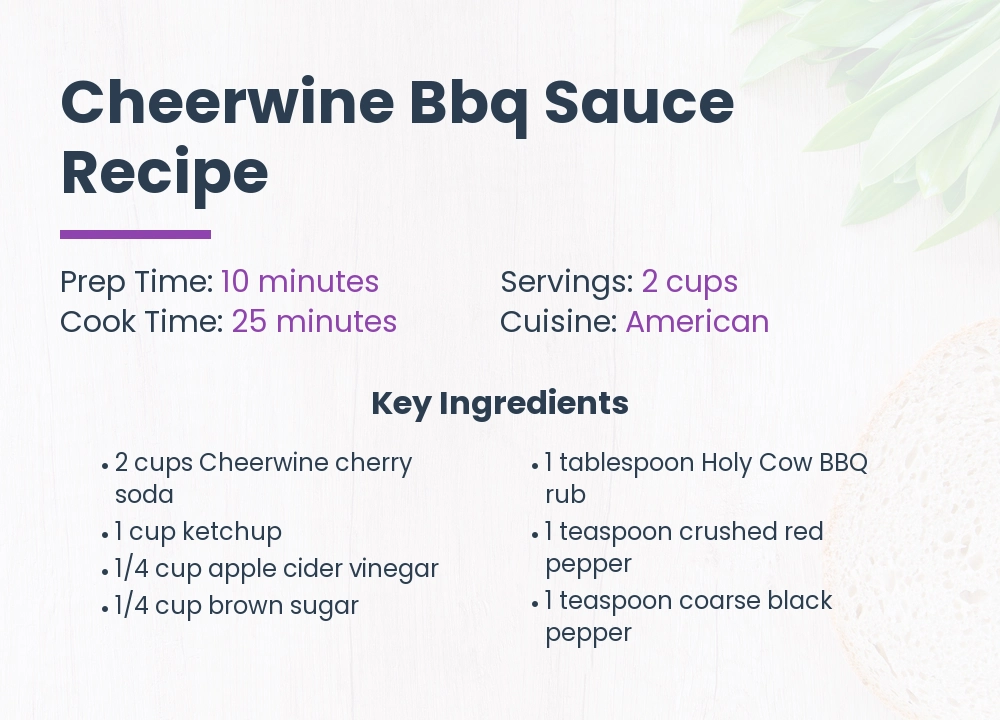
As an Amazon Associate, I may earn a small commission from qualifying purchases at no extra cost to you. This helps me create more valuable, tested content for you.
That moment when smoke curls off the grill and the scent of caramelizing sugar hits the air defines summer for many Southern families. My grandfather first introduced me to this sauce during a humid Carolina evening, using our region’s signature cherry soda to create something extraordinary. This Cheerwine barbecue sauce recipe captures that memory in a bottle, balancing sweet cherry notes with a gentle heat that clings perfectly to meat.
You might have tried store-bought versions that lack depth or homemade attempts that separate in the jar. This formula solves those issues through careful ingredient selection and a specific reduction process. Beyond just providing a condiment, this guide explores the science behind emulsion, nutritional considerations for various diets, and historical context that makes this sauce a cultural artifact.
How to Make Cheerwine BBQ Sauce Recipe
This foundational recipe creates a versatile sauce that works as a glaze, marinade, or dipping sauce. The process involves reducing Cheerwine to concentrate its flavor while building layers of acidity and spice. You will notice the transformation from thin liquid to glossy coating occurs during the final minutes of cooking.
Recipe Details
- Prep Time: 10 minutes
- Cook Time: 25 minutes
- Servings: 2 cups
- Course: Condiment
- Cuisine: American
- Diet: Gluten-Free Adaptable
Ingredients
- 2 cups Cheerwine cherry soda
- 1 cup ketchup
- 1/4 cup apple cider vinegar
- 1/4 cup brown sugar
- 2 tablespoons Worcestershire sauce
- 1 tablespoon Holy Cow BBQ rub
- 1 teaspoon crushed red pepper
- 1 teaspoon coarse black pepper
- 1/2 teaspoon garlic powder
- 1/4 teaspoon onion powder
Instructions
- Combine Cheerwine, ketchup, vinegar, and brown sugar in a medium saucepan over medium heat.
- Whisk ingredients until the sugar fully dissolves and the mixture becomes uniform.
- Add Worcestershire sauce, Holy Cow rub, crushed red pepper, black pepper, garlic powder, and onion powder.
- Bring the sauce to a gentle boil while stirring frequently to prevent sticking.
- Reduce heat to maintain a simmer and cook for 20 minutes until reduced by one-third.
- Check consistency by dipping a spoon; the sauce should coat the back without dripping immediately.
- Remove from heat and cool for 15 minutes before transferring to a 16-ounce mason jar.
- Store refrigerated for up to three weeks or use immediately for basting.
Nutrition
- Calories: 45 kcal
- Protein: 0.5 g
- Fat: 0.1 g
- Carbohydrates: 11 g
- Sugar: 9 g
- Fiber: 0.2 g
- Sodium: 210 mg
- Cholesterol: 0 mg
Cooking Method
This preparation uses a stovetop reduction method that intensifies flavors through evaporation. The Maillard reaction occurs between the sugars and proteins during the boiling phase, creating complex flavor compounds. Maintaining a consistent simmer prevents burning while allowing proper thickening.
Tools Needed
- Medium saucepan (2-quart capacity)
- Whisk
- Measuring cups and spoons
- 16-ounce mason jar with lid
- Heat-resistant spatula
The Origins of Cheerwine in Southern Cooking
Cheerwine originated in Salisbury, North Carolina in 1917 as a cherry-flavored soft drink with a distinctive burgundy color. The soda gained regional popularity through its unique flavor profile that combines black cherry with subtle spice notes. Barbecue artisans began incorporating it into sauces during the mid-20th century as a way to add sweetness without using molasses or honey exclusively.
This practice represents the resourcefulness of Southern cooks who utilized local ingredients to create distinctive regional variations. The carbonation in Cheerwine helps tenderize meat when used in marinades, while its high sugar content promotes caramelization during grilling. Understanding this history explains why the combination works so effectively compared to using other sodas.
Ingredient Analysis and Selection
Each component in this sauce serves multiple purposes beyond basic flavor. The chemical properties interact to create stability, texture, and preservation qualities that store-bought versions often lack through artificial means.
Cheerwine Soda
This carbonated cherry beverage provides the foundation with its distinctive fruit notes and cane sugar sweetness. The soda’s acidity level (pH approximately 2.8) helps break down protein fibers in meat when used as a marinade. Reduction concentrates the cherry essence while evaporating excess water that would dilute the sauce’s body.
Select glass bottles rather than cans when possible, as the flavor profile tends to be more robust. The caramel color in Cheerwine contributes to the sauce’s deep mahogany hue without requiring additional food coloring.
Worcestershire Sauce
This fermented condiment adds umami depth through its anchovy and tamarind content. The vinegar component contributes to the sauce’s acidity balance, while the trace amounts of cloves and chili provide background complexity. For gluten-free adaptation, ensure you select a brand that uses tamari instead of wheat-based soy sauce.
The glutamates naturally present in Worcestershire sauce enhance the meaty flavors when the sauce is used on grilled proteins. This creates a synergistic effect that makes the barbecue taste richer than the sum of its parts.
Holy Cow BBQ Rub
This particular spice blend contains black pepper, salt, garlic, and paprika that form the savory backbone of the sauce. The coarse grind helps maintain texture during the cooking process rather than dissolving completely. If unavailable, create a substitute using two parts black pepper to one part each of garlic powder and smoked paprika.
The salt content in the rub serves multiple functions: it enhances flavor perception, helps draw moisture from vegetables if added, and acts as a mild preservative. Adjust the quantity based on your sodium preferences and the saltiness of other ingredients.
Nutritional Profile and Health Considerations
While barbecue sauce inherently contains sugars, understanding its nutritional composition helps you make informed decisions about portioning and usage. The primary sources of calories in this recipe come from the natural and added sugars in Cheerwine and brown sugar.
The sauce provides minimal protein and fat, making it primarily a flavor enhancer rather than a significant nutrient source. The spices contribute trace amounts of antioxidants, particularly from the black pepper and chili compounds. Using this sauce as a glaze rather than a drowning sauce helps control sugar intake while still achieving the desired flavor impact.
For those monitoring specific health metrics, the sodium content derives mainly from the ketchup and Worcestershire sauce. You can reduce this by selecting low-sodium versions of these ingredients without dramatically altering the final product. The fiber content remains low due to the refinement of primary ingredients, though this can be augmented through serving with high-fiber sides.
Adapting for Dietary Requirements
Many traditional barbecue sauces contain hidden gluten, animal products, or high allergen ingredients. This recipe adapts easily to accommodate most dietary restrictions while maintaining its characteristic flavor profile.
Vegan Modification
Replace Worcestershire sauce with an equal amount of coconut aminos or specifically labeled vegan Worcestershire. These products use mushrooms rather than anchovies to achieve the umami quality. Verify that the brown sugar you select uses bone char-free processing if this aligns with your dietary practices.
The remaining ingredients naturally contain no animal products, making this an easy conversion. The sauce will maintain its glossy appearance and clinging quality when used on plant-based proteins like tofu or tempeh.
Low-Sugar Version
Substitute diet Cheerwine or sugar-free cherry soda to reduce the carbohydrate impact. Use sugar-free ketchup and replace brown sugar with a monk fruit blend that measures cup-for-cup like sugar. The reduction process will still occur, though the sauce may thicken slightly faster due to different solubility properties.
Be aware that sugar alternatives might create a slightly different flavor profile and may not caramelize identically to sugar. Test a small batch before committing to larger quantities for important occasions.
Gluten-Free Assurance
While most ingredients naturally lack gluten, cross-contamination can occur in spice blends and condiments. Select Worcestershire sauce explicitly labeled gluten-free, as traditional versions often contain barley malt vinegar. Verify that your BBQ rub uses dedicated facilities or has gluten-free certification.
The cooking process doesn’t introduce gluten, making this a safe option for those with celiac disease when prepared carefully. Store the sauce in clean containers to prevent cross-contact with gluten-containing products.
Common Preparation Errors and Solutions
Many home cooks encounter the same issues when attempting barbecue sauce from scratch. Recognizing these pitfalls beforehand helps you achieve consistent results on the first attempt.
Insufficient Reduction
A watery sauce often results from impatience during the simmering stage. The mixture must lose enough moisture through evaporation to reach the proper viscosity. Test by drawing a line on the back of a spoon; if the sauce holds the line without immediately dripping, it has reduced sufficiently.
Environmental factors like altitude and humidity affect reduction times. At higher elevations, extend the simmering duration by 5-10 minutes to account for lower boiling points. During humid conditions, consider using a wider pan to increase surface area and accelerate evaporation.
Burnt Sugar Notes
Scorching occurs when heat exceeds the sugar’s caramelization threshold. Always use medium heat rather than high, and stir frequently, especially during the final minutes of cooking. A heavy-bottomed saucepan distributes heat more evenly than thin-gauge cookware.
If you detect burnt aromas, immediately transfer the sauce to a new container without scraping the bottom. The affected portion will impart bitter flavors that can overwhelm the other ingredients. Prevention remains preferable to salvage attempts.
Separation Issues
Oil-based spices and water-based liquids can separate if not properly emulsified. The natural pectin in ketchup and the continuous stirring during cooking help maintain suspension. If separation occurs after storage, whisk vigorously before use or briefly reheat while stirring.
Adding a teaspoon of xanthan gum during the final minute of cooking can stabilize the emulsion for longer storage periods. This works particularly well for sauces that will be frozen and thawed later.
Serving Recommendations and Food Pairings
This sauce performs differently depending on application method and protein selection. Understanding these variables helps you maximize its potential across various cooking scenarios.
Grilling Applications
For chicken, apply during the final 10 minutes of cooking to prevent sugar charring. The sauce creates a sticky glaze that caramelizes over direct heat. With steak, use as a finishing sauce after resting to preserve the meat’s natural flavors while adding complementary sweetness.
Pork shoulder benefits from mopping with thinned sauce during the last hour of smoking. The acidity helps cut through the fat richness while adding surface flavor. For salmon, brush lightly before broiling to create a glossy coating that complements the fish’s oil content.
Complementary Side Dishes
Coleslaw with vinegar dressing provides contrast to the sauce’s sweetness. Cornbread absorbs excess sauce while adding textural variety. Potato salad with mustard base creates flavor complexity through competing tart and sweet elements.
Grilled vegetables like zucchini or bell peppers benefit from light brushing during the final minutes of cooking. The sauce adds dimension without overwhelming the natural flavors. Baked beans become more complex when stirred with a tablespoon of sauce before serving.
Storage and Preservation
Refrigerate in airtight containers for up to three weeks. The acidity and sugar content act as natural preservatives. For longer storage, freeze in ice cube trays and transfer frozen cubes to bags for up to six months.
Always use clean utensils when removing sauce from the container to prevent contamination. Glass jars allow you to monitor for spoilage signs like mold or fermentation bubbles. Discard if unusual odors develop.
The Chemistry of Sauce Development
Understanding the scientific principles at work helps troubleshoot and innovate with confidence. The transformation from separate ingredients to unified sauce involves several chemical processes.
When Cheerwine reduces, water evaporation concentrates flavors while caramelizing sugars create new flavor compounds through Maillard reactions. The pectin in ketchup and the starches in other ingredients thicken the mixture through hydration and gelatinization.
Acid from vinegar and soda denatures proteins in meat when used as marinade, creating tender results. The sugar content increases surface browning through caramelization when exposed to high heat. These processes combine to create the signature texture and flavor penetration associated with quality barbecue sauce.
Frequently Asked Questions
What makes Cheerwine different from other sodas in BBQ sauce?
Cheerwine possesses a distinctive black cherry flavor with subtle spice notes that other cherry sodas lack. The specific blend of natural and artificial flavors creates complexity that survives the reduction process. Its regional characteristics make it particularly compatible with Southern barbecue traditions.
Can I make this sauce without a specialty BBQ rub?
Yes, create a substitute using two parts black pepper to one part garlic powder, one part onion powder, and half part paprika. The salt content may need adjustment depending on your preference. The sauce will still develop properly though the flavor profile will vary slightly.
How long does homemade barbecue sauce last?
When refrigerated in airtight containers, this sauce maintains quality for approximately three weeks. The high sugar and acid content act as natural preservatives. Freezing extends this period to six months without significant texture changes upon thawing.
Why did my sauce become too thick?
Over-reduction causes excessive thickening as too much water evaporates. Add tablespoons of warm water or additional Cheerwine while whisking until reaching desired consistency. Prevent this by monitoring closely during the final minutes of cooking.
Can I use this sauce as a marinade for vegetables?
Absolutely. The acidity helps break down vegetable fibers while the sugar promotes caramelization during roasting or grilling. Marinate for 30-60 minutes rather than hours to prevent mushiness in delicate vegetables like zucchini.
Is Cheerwine available outside the Southeastern United States?
Many grocery chains now carry Cheerwine in their specialty soda sections, particularly those with strong Southern food offerings. Online retailers ship nationwide, making it accessible regardless of location. Some international markets stock it in their American food sections.
What protein works best with this sauce?
Pork shoulder absorbs the flavors exceptionally well due to its fat content and texture. Chicken thighs maintain moisture while benefiting from the sweet glaze. Beef brisket accepts the sauce effectively when applied during the final resting period.
Can I pressure can this sauce for shelf storage?
Not recommended due to the density and starch content creating potential botulism risks. The USDA doesn’t provide tested processing times for homemade barbecue sauces. Refrigeration or freezing remains the safest preservation method for home preparation.