Reina
Reina 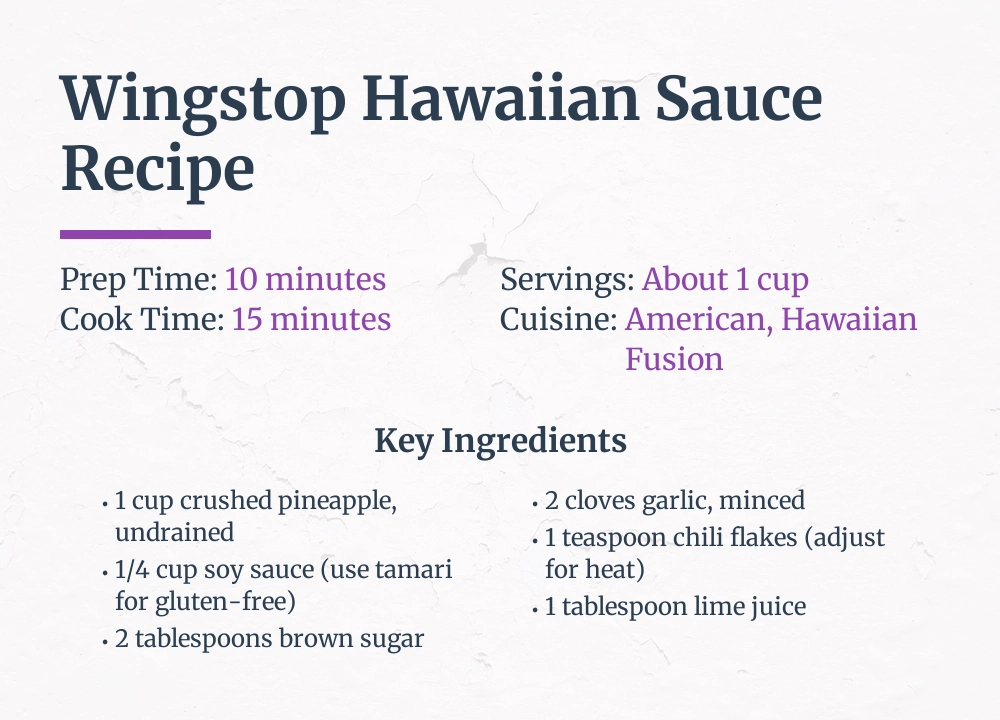
As an Amazon Associate, I may earn a small commission from qualifying purchases at no extra cost to you. This helps me create more valuable, tested content for you.
Recreating a fast-food favorite at home often feels like solving a delicious puzzle. The first time I tasted Wingstop’s Hawaiian sauce, the balance of sweet pineapple and subtle heat stood out. It was a flavor I knew I had to replicate in my own kitchen. This recipe captures that essence while allowing you to control the ingredients for a healthier outcome.
You might have searched for a way to bring that tropical twist to your meals without relying on takeout. This guide provides a detailed method to make the sauce from scratch. We will cover every aspect, from selecting ingredients to adjusting the spice level. By the end, you will have a versatile condiment that elevates chicken wings and more.
How to Make Wingstop Hawaiian Sauce Recipe
This section outlines the step-by-step process for crafting the sauce. Follow these instructions closely for a result that mirrors the original. The method focuses on simmering and blending to achieve a smooth, cohesive texture.
Recipe Details
- Prep Time: 10 minutes
- Cook Time: 15 minutes
- Servings: About 1 cup
- Course: Condiment, Sauce
- Cuisine: American, Hawaiian Fusion
- Diet: Gluten-Free Adaptable, Vegan Adaptable
Ingredients
- 1 cup crushed pineapple, undrained
- 1/4 cup soy sauce (use tamari for gluten-free)
- 2 tablespoons brown sugar
- 1 tablespoon rice vinegar
- 1 teaspoon fresh ginger, grated
- 2 cloves garlic, minced
- 1 teaspoon chili flakes (adjust for heat)
- 1 tablespoon lime juice
- 1 tablespoon cornstarch mixed with 2 tablespoons water (for thickening)
Instructions
- Combine the crushed pineapple, soy sauce, brown sugar, rice vinegar, ginger, garlic, and chili flakes in a medium saucepan.
- Place the saucepan over medium heat and bring the mixture to a gentle simmer. Stir occasionally to prevent sticking.
- Allow it to cook for about 10 minutes, letting the flavors meld together. The sauce should bubble lightly.
- Add the lime juice and stir well. Then, incorporate the cornstarch slurry to thicken the sauce. Cook for another 2-3 minutes until it reaches your desired consistency.
- Remove from heat and let it cool slightly. Use an immersion blender for a smoother texture or leave it chunky based on preference.
- Transfer to a jar or container. It can be used immediately or stored for later.
Nutrition
- Calories: 45 kcal
- Protein: 1 g
- Fat: 0 g
- Carbohydrates: 11 g
- Sugar: 8 g
- Fiber: 0.5 g
- Sodium: 320 mg
- Cholesterol: 0 mg
Cooking Method
The sauce is prepared using a stovetop simmering technique. This method allows the ingredients to break down and integrate fully. Constant stirring ensures even heating and prevents burning. The cornstarch slurry is added at the end to achieve a glaze-like thickness.
Tools Needed
- Medium saucepan
- Whisk or spoon for stirring
- Measuring cups and spoons
- Immersion blender or standard blender (optional)
- Glass jar for storage
Understanding the Flavor Profile
Wingstop’s Hawaiian sauce is characterized by a sweet and tangy blend with a hint of spice. The pineapple provides natural sweetness, while soy sauce adds umami depth. Citrus notes from lime cut through the richness, creating a balanced profile.
This combination is inspired by Hawaiian barbecue traditions, which often feature fruit-based glazes. The spicy element, reminiscent of a margarita’s kick, adds complexity. It distinguishes the sauce from milder options in the Wingstop lineup.
Ingredient Analysis
Each component plays a critical role in the final product. Selecting high-quality ingredients ensures authenticity and flavor depth. Let’s break down the key elements and their attributes.
Pineapple
Crushed pineapple with its juice forms the base of the sauce. It contributes natural sugars and acidity. Fresh pineapple can be used for a brighter taste, but canned versions offer convenience. The enzymes in pineapple also help tenderize meat when used as a marinade.
Soy Sauce
Soy sauce introduces saltiness and umami, grounding the sweetness. Traditional soy sauce is fermented from soybeans and wheat. For a gluten-free version, tamari is an effective substitute. It maintains the savory quality without altering the texture.
Ginger
Fresh ginger adds a warm, slightly peppery note. Grating it releases essential oils that enhance the aroma. Ginger’s anti-inflammatory properties are a bonus from a nutritional standpoint. It pairs well with both sweet and spicy elements.
Garlic
Minced garlic provides a pungent, earthy flavor. Cooking it mellows the sharpness and integrates it into the sauce. Garlic contains allicin, which has health benefits. Its intensity can be adjusted based on personal preference.
Chili
Chili flakes introduce heat and color. The amount can be tailored to suit your tolerance. Alternatives like sriracha or fresh chilies work for variation. Capsaicin in chilies may boost metabolism.
Lime
Lime juice adds citrus acidity that brightens the overall taste. It balances the sweetness and enhances other flavors. Freshly squeezed juice is superior to bottled for its vibrant notes. Lime also contributes vitamin C.
Nutritional Insights
From a dietary perspective, this sauce offers a mix of macronutrients and micronutrients. The calorie count is moderate, primarily from carbohydrates. Sugar content comes naturally from pineapple, with added brown sugar for depth.
Sodium levels are notable due to soy sauce, but using low-sodium versions can reduce this. The sauce is fat-free and cholesterol-free, making it heart-friendly. Fiber is minimal but present from pineapple pulp.
Incorporating this sauce into meals adds flavor without excessive calories. Pair it with lean proteins like grilled chicken to create a balanced dish. The ingredients provide antioxidants from ginger and garlic.
Dietary Modifications
Adapting the recipe for specific dietary needs is straightforward. Simple swaps can accommodate various preferences without compromising taste. Here are practical adjustments.
Gluten-Free Version
Replace standard soy sauce with tamari or coconut aminos. Ensure all other ingredients, like vinegar, are certified gluten-free. This swap maintains the umami profile while avoiding gluten.
Vegan Adaptation
The base recipe is naturally vegan. Confirm that the brown sugar used is vegan-friendly, as some processing methods involve bone char. No other changes are needed.
Low-Sugar Option
Reduce or omit brown sugar and rely on pineapple’s natural sweetness. Use a sugar substitute like stevia or monk fruit. This adjustment helps manage blood sugar levels.
Reduced Sodium
Opt for low-sodium soy sauce and decrease the quantity. Add a pinch of mushroom powder for extra umami without salt. This version is better for blood pressure management.
Historical and Cultural Background
Hawaiian cuisine often blends native ingredients with influences from Asian and American cultures. The concept of fruit-based sauces for meat likely stems from Polynesian traditions. In Hawaii, pineapple is a staple, used in both savory and sweet dishes.
Wingstop, as a fast-food chain, introduced this sauce to capitalize on the popularity of tropical flavors. It fits into a broader trend of fusion foods that appeal to diverse palates. The sauce reflects a modern interpretation of Hawaiian barbecue styles.
Understanding this context enriches the cooking experience. It connects the recipe to a larger culinary narrative. This sauce is part of a movement that values bold, cross-cultural combinations.
Avoiding Common Errors
Many home cooks encounter issues when making sauces like this. Overheating can cause the sugar to burn, leading to a bitter taste. Simmer gently and stir frequently to prevent this.
Inconsistent thickening often results from improper cornstarch use. Always mix cornstarch with cold water before adding to avoid lumps. If the sauce is too thin, add more slurry; if too thick, dilute with a bit of water.
Balancing flavors is key. Taste as you go and adjust sweetness, acidity, or heat. Remember that flavors intensify upon cooling. Let the sauce rest for a few minutes before final adjustments.
Using stale spices or old ginger can dull the flavor. Fresh ingredients make a significant difference. Store leftovers properly to maintain quality.
Serving Suggestions and Storage
This sauce is versatile beyond chicken wings. Try it as a glaze for grilled shrimp or pork chops. It can be a dipping sauce for spring rolls or drizzled over rice bowls.
For pairing, serve with crisp vegetables like bell peppers or a side of coleslaw. The sweetness complements spicy dishes, creating a contrast. It works well in meal prep scenarios.
Store the sauce in an airtight container in the refrigerator for up to one week. For longer storage, freeze it in portions for up to three months. Thaw in the refrigerator before use and reheat gently.
The Science of Emulsification
In this recipe, the cornstarch acts as a thickening agent by absorbing water and swelling. This process creates a stable suspension that prevents separation. The acidity from lime and pineapple helps balance the pH, enhancing flavor perception.
Heating the mixture denatures proteins and breaks down fiber, leading to a smoother texture. The Maillard reaction between sugars and amino acids from soy sauce develops complex flavors. Understanding these principles can help you troubleshoot issues.
Frequently Asked Questions
What does Wingstop Hawaiian sauce taste like?
It has a sweet and tangy profile with pineapple sweetness, umami from soy sauce, and a hint of spice from chili. Citrus notes from lime add brightness, making it well-balanced.
Can I make this sauce without pineapple?
Yes, substitute with mango or peach puree for a similar sweetness. The texture and flavor will vary, but it remains a fruity alternative.
How can I reduce the sugar content?
Use unsweetened pineapple and omit brown sugar. Add a sugar-free sweetener if needed, but taste as you go to maintain balance.
Is this sauce spicy?
It has mild heat from chili flakes. Adjust the amount to make it milder or hotter based on your preference.
Can I use this as a marinade?
Absolutely. The acidity in pineapple and lime helps tenderize meat. Marinate for at least 30 minutes, but not too long to avoid mushiness.
What are the best wings to pair with this sauce?
Baked or fried chicken wings work well. The sauce clings to the surface, providing a glossy coating. It also suits boneless wings or tenders.
How do I store leftovers?
Keep in a sealed container in the fridge for up to a week. Reheat gently on the stove or in the microwave, stirring to maintain consistency.
Can I make it ahead of time?
Yes, the flavors often improve after sitting for a few hours. Prepare it a day in advance and store refrigerated until use.