Reina
Reina 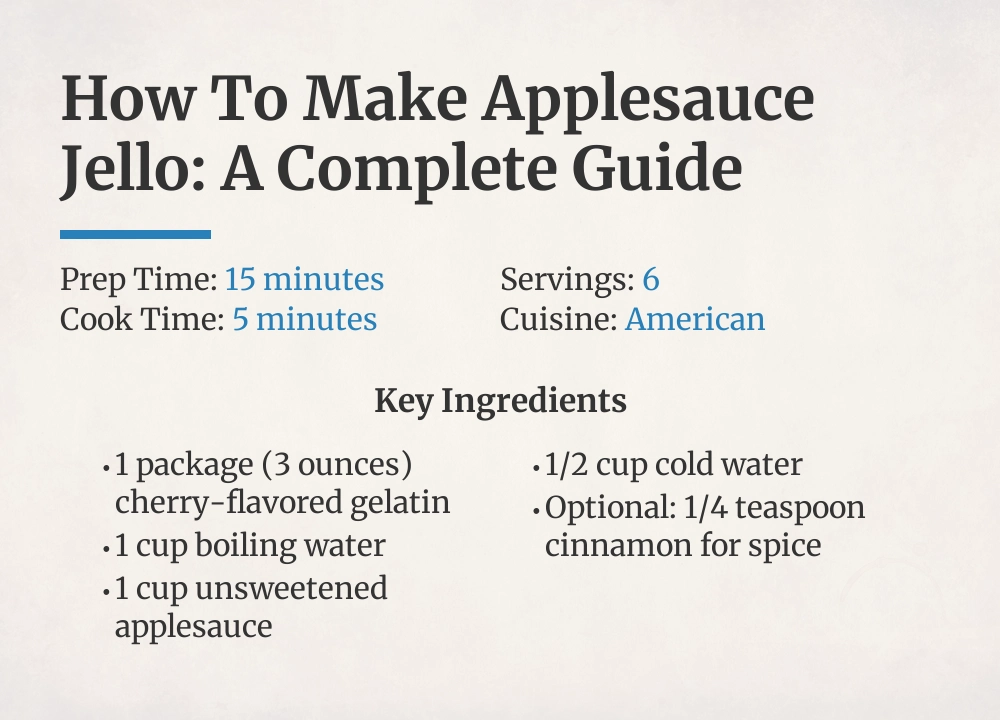
As an Amazon Associate, I may earn a small commission from qualifying purchases at no extra cost to you. This helps me create more valuable, tested content for you.
Many family gatherings feature a dish that seems simple but holds generations of tradition. On my holiday table, a glossy red applesauce jello always earns compliments for its balance of sweet and tart flavors. This dessert connects past and present through its straightforward preparation and adaptable nature.
If you need a light, fruity option that pleases both children and adults, this recipe provides a reliable solution. Applesauce jello combines the firm texture of gelatin with the natural sweetness of fruit sauce. It serves as a versatile base for countless variations, from spiced cinnamon versions to vibrant cherry enhancements.
Understanding the process from start to finish ensures your result will be consistently smooth and properly set. This guide covers every detail, including ingredient science and common troubleshooting steps. You will learn how to adjust the recipe for dietary needs and occasion demands.
How to Make recipe for appleSauce jello
This foundational recipe uses basic ingredients to create a firm yet tender gelatin dessert. The method focuses on proper dissolving and mixing techniques for optimal texture. Follow these steps closely to achieve a classic applesauce jello that sets within hours.
Recipe Details
- Prep Time: 15 minutes
- Cook Time: 5 minutes
- Servings: 6
- Course: Dessert
- Cuisine: American
- Diet: Vegetarian
Ingredients
- 1 package (3 ounces) cherry-flavored gelatin
- 1 cup boiling water
- 1 cup unsweetened applesauce
- 1/2 cup cold water
- Optional: 1/4 teaspoon cinnamon for spice
Instructions
- Place the gelatin powder in a medium heatproof bowl. Ensure the bowl can hold at least 4 cups to prevent overflow during mixing.
- Pour 1 cup of boiling water over the gelatin. Whisk continuously for 2 minutes until no granules remain visible. The liquid should become clear and fully dissolved.
- Add 1/2 cup cold water to the mixture and stir to combine. This step helps cool the gelatin before adding applesauce.
- Gently fold in 1 cup of applesauce using a spatula. Mix until uniform but avoid vigorous stirring to prevent air bubbles.
- Transfer the mixture to a serving dish or individual molds. Cover with plastic wrap and refrigerate for 4 hours or until firm.
Nutrition
- Calories: 70 kcal
- Protein: 1 g
- Fat: 0 g
- Carbohydrates: 17 g
- Sugar: 16 g
- Fiber: 1 g
- Sodium: 50 mg
- Cholesterol: 0 mg
Cooking Method
This recipe uses a no-bake approach that relies on hydration and refrigeration. The boiling water fully dissolves the gelatin proteins, while cold ingredients help speed the setting process. No stove cooking is required beyond heating water.
The mixture thickens as it cools due to gelatin formation. Chilling below 50°F enables the proteins to form a stable network. This creates the characteristic jiggly texture without any baking or prolonged heating.
Tools Needed
- 2-quart mixing bowl
- Measuring cups
- Whisk or fork
- Spatula
- Serving dish or mold
- Refrigerator
Understanding Key Ingredients
Each component in applesauce jello contributes specific properties to the final dish. Selecting quality ingredients improves flavor and texture significantly. Knowing how they interact allows for informed substitutions and enhancements.
Applesauce Selection and Impact
Applesauce acts as the primary fruit base, providing natural sweetness and moisture. Unsweetened varieties work best to control sugar levels, while homemade versions offer superior flavor. The pectin in apples helps stabilize the gelatin structure.
Smooth applesauce creates a uniform texture, but chunky styles can add interesting variation. Cinnamon-spiced applesauce introduces warmth without extra steps. Always use room temperature sauce to prevent premature setting during mixing.
Gelatin Types and Behavior
Gelatin powder derived from animal collagen creates the dessert’s structure. Standard 3-ounce packages contain enough protein to set 2 cups of liquid. The boiling water hydrates the powder, allowing it to form bonds as it cools.
Flavored gelatin like cherry or cranberry adds both taste and color to the dish. Unflavored gelatin requires additional sweeteners but offers more control. The setting strength depends on the ratio of gelatin to liquid ingredients.
Water Temperature Importance
Boiling water around 212°F completely dissolves gelatin crystals for a smooth texture. Water that is too cool leaves undissolved granules that create rubbery spots. Cold water helps lower the mixture’s temperature for faster setting.
The balance between hot and cold water affects setting time and firmness. Using all boiling water makes a softer set, while more cold water can accelerate gelling. Proper temperature management prevents crystallization.
Nutritional Profile and Health Considerations
Applesauce jello provides energy primarily from carbohydrates with minimal fat content. The dessert contains natural fruit sugars along with added sweeteners in flavored gelatin. Understanding the nutritional aspects helps in meal planning and dietary adjustments.
One serving offers about 70 calories, making it a lighter option compared to baked goods. The applesauce contributes dietary fiber and vitamin C, while gelatin provides small amounts of protein. Sodium levels remain low unless using salted additions.
For those monitoring sugar intake, the combined sugars from gelatin and applesauce reach about 16 grams per serving. Using sugar-free gelatin and unsweetened applesauce reduces this to under 5 grams. The dish contains no cholesterol and negligible fat.
Balancing Dessert in a Diet
Incorporating this recipe into a 2,000-calorie diet requires considering portion sizes and frequency. The light nature makes it suitable as an occasional treat rather than daily consumption. Pairing with protein-rich foods can help balance blood sugar response.
The gelatin content may support joint health through collagen-derived compounds. However, the high sugar content in standard versions warrants moderation. Always account for the dessert’s carbohydrates within your total daily intake.
Adapting the Recipe for Special Diets
Many dietary restrictions can accommodate applesauce jello with simple ingredient swaps. The basic formula remains unchanged while specific components are replaced. These modifications maintain texture and flavor while meeting nutritional needs.
Vegan and Vegetarian Options
Traditional gelatin comes from animal sources, making it unsuitable for vegans. Agar-agar derived from seaweed creates a similar setting effect. Use 1 tablespoon of agar powder dissolved in boiling water as a direct substitute.
Vegetarians who consume dairy might enjoy adding Greek yogurt for creaminess. Replace 1/2 cup of applesauce with yogurt for a protein boost. The acidity in yogurt complements the fruit flavors without affecting setting.
Reducing Sugar Content
Sugar-free gelatin varieties provide the same setting power with artificial or natural sweeteners. Stevia-sweetened brands work well but may have a slight aftertaste. Combining unsweetened applesauce with plain gelatin allows total control over sweeteners.
Using spice blends like cinnamon and nutmeg enhances perception of sweetness. A pinch of salt can also balance flavors when reducing sugar. These adjustments help create a dessert suitable for diabetic diets.
Gluten-Free and Allergy Considerations
Standard applesauce jello contains no gluten-containing ingredients. Verify that all packaged components are certified gluten-free if needed. Some flavored gelatins might include additives derived from wheat, though this is rare.
For those with fruit allergies, substitute applesauce with pear or pumpkin puree. The texture and setting properties remain similar. Always check labels for potential cross-contamination in processing facilities.
Historical Background of Gelatin Desserts
Gelatin-based dishes have evolved from savory aspics to sweet salads over centuries. Early versions required boiling animal bones for hours to extract collagen. The invention of powdered gelatin in the 1840s revolutionized home cooking.
Jello salads became popular in mid-20th century America as convenient party foods. The combination with applesauce likely originated from resourceful home cooks using pantry staples. This particular recipe represents a simpler approach compared to multi-ingredient molded salads.
Regional variations reflect local ingredient availability, such as cranberry sauce in New England or cherry pie filling in the Midwest. The dish maintains nostalgia for many families, often appearing at holiday meals and potlucks.
Avoiding Common Preparation Errors
Several frequent mistakes can compromise texture and appearance. Understanding these pitfalls helps achieve consistent results. Most issues relate to temperature management and measurement accuracy.
Incomplete Gelatin Dissolution
Adding gelatin to insufficiently hot water causes clumping and uneven setting. The water must be at a rolling boil to properly hydrate the powder. Stir for the full recommended time until the liquid becomes completely clear.
If granules remain, strain the mixture through a fine sieve before adding other ingredients. This extra step ensures a smooth final product. Never attempt to dissolve gelatin in cold or warm water first.
Improper Ingredient Ratios
Adding too much fruit or liquid prevents proper gelling. The standard ratio is 1 package gelatin to 2 cups total liquid including fruits. Exceeding this amount results in a soft, watery texture that may not set fully.
Measure all components precisely using standard measuring cups. Compensate for juicy additions by reducing other liquids. For example, if using wet fruit cocktail, decrease the cold water by 1/4 cup.
Rushing the Setting Process
Refrigerating the mixture before it reaches room temperature can cause separation. Allow the combined ingredients to cool on the counter for 15-20 minutes before chilling. This prevents condensation from forming on the surface.
Attempting to speed setting by placing in the freezer often creates ice crystals. Maintain refrigerator temperature between 34-38°F for optimal results. The dessert needs at least 4 hours to set properly, though overnight is ideal.
Serving Suggestions and Food Pairings
Applesauce jello works well as both a standalone dessert and an accompaniment to main dishes. The bright flavor cuts through rich foods, making it excellent with holiday meals. Consider these serving ideas for different occasions.
For formal dinners, individual molds create an elegant presentation. Unmold onto lettuce leaves or decorative plates garnished with fresh mint. The red color from cherry gelatin provides visual appeal against white china.
Family meals might feature the dessert in a large glass bowl for self-service. Layer with whipped cream or Greek yogurt for added richness. Sprinkling cinnamon on top just before serving enhances aroma and flavor.
Complementary Dish Ideas
Serve alongside roasted meats like ham or turkey where the sweetness balances salty flavors. The light texture contrasts well with heavy casseroles and potato dishes. For vegetarian menus, pair with broccoli cheese casserole or stuffed mushrooms.
As part of a dessert spread, combine with carrot cake or apple pie for varied textures. The jello’s cool temperature provides refreshment after warm baked goods. Beverages like coffee or milk complement without overwhelming the delicate fruit notes.
Storage and Food Safety Guidelines
Proper storage maintains quality and prevents spoilage. Gelatin desserts have specific requirements different from other foods. Follow these practices to enjoy your creation safely for several days.
Keep applesauce jello covered in the refrigerator at all times. Use airtight containers or plastic wrap directly on the surface to prevent drying. The dessert remains fresh for 3-5 days when stored correctly.
Freezing is not recommended as ice crystals damage the gelatin structure. Thawed jello becomes watery and loses its appealing texture. For longer storage, prepare the dry mixture and add liquid when ready to serve.
Discard any portion that develops off odors, colors, or mold growth. Although the high sugar content inhibits some bacterial growth, refrigeration is still essential. Never leave the dessert at room temperature for more than 2 hours.
The Science of Gelatin Formation
Gelatin proteins undergo structural changes when heated and cooled. Understanding this process explains why certain steps are crucial. The transformation from liquid to solid involves molecular reorganization.
When mixed with hot water, gelatin proteins unwind and disperse throughout the liquid. As the temperature drops, these proteins form a three-dimensional network that traps water molecules. This creates the characteristic gel structure.
The setting point occurs around 68-86°F depending on concentration. Acids from fruits like applesauce can weaken this network if too concentrated. This explains why some fruit additions require adjusted gelatin amounts for proper setting.
Frequently Asked Questions
What is the purpose of boiling water in this recipe?
Boiling water completely dissolves the gelatin powder, ensuring a smooth texture. Lower temperatures leave undissolved granules that create rubbery spots in the finished dessert. The hot water also helps incorporate other ingredients evenly.
Can I use fresh apples instead of applesauce?
Fresh apples require cooking and pureeing to achieve the right consistency. Raw apples contain enzymes that can prevent proper setting. For best results, prepare homemade applesauce by simmering peeled, chopped apples until soft before blending.
Why did my jello not set properly?
Incorrect ratios of gelatin to liquid cause setting failures. Too much fruit or added liquid overwhelms the gelling capacity. Ensure you use the exact measurements specified and verify that your refrigerator maintains proper temperature.
How can I make this recipe vegan?
Replace animal-based gelatin with agar-agar at a 1:1 ratio by weight. Dissolve the agar in boiling water as you would regular gelatin. The setting time may be slightly faster, so work quickly when mixing ingredients.
Can I double this recipe for a crowd?
Yes, simply multiply all ingredients by the desired factor. Use a larger bowl to accommodate the increased volume. The setting time remains approximately the same since surface area affects cooling rate more than quantity.
What other fruits work well in this dessert?
Crushed pineapple, banana slices, or fruit cocktail complement the applesauce base. Avoid fresh papaya and pineapple as they contain enzymes that break down gelatin. Canned fruits work reliably because the canning process deactivates these enzymes.
How do I prevent bubbles in my jello?
Stir gently rather than whisking vigorously after adding the applesauce. Let the mixture sit for 5 minutes before pouring to allow bubbles to rise. Skim any surface foam with a spoon before refrigerating.
Is this dessert suitable for children?
Yes, the soft texture and sweet flavor appeal to most children. For younger toddlers, ensure the pieces are small enough to prevent choking. You can reduce sugar content by using unsweetened applesauce and less flavored gelatin.
Can I make this without any packaged gelatin?
Yes, use unflavored gelatin and add your own fruit juice for sweetness. Combine 1 tablespoon unflavored gelatin with 1 cup boiling fruit juice instead of water. Adjust sugar to taste since this version lacks the sweetness of flavored mixes.
Why does my jello sweat after refrigeration?
Condensation forms when cold jello meets warm air. To prevent this, bring the dessert to room temperature for 15 minutes before serving. Wipe the serving dish with a clean cloth to remove excess moisture.