Reina
Reina 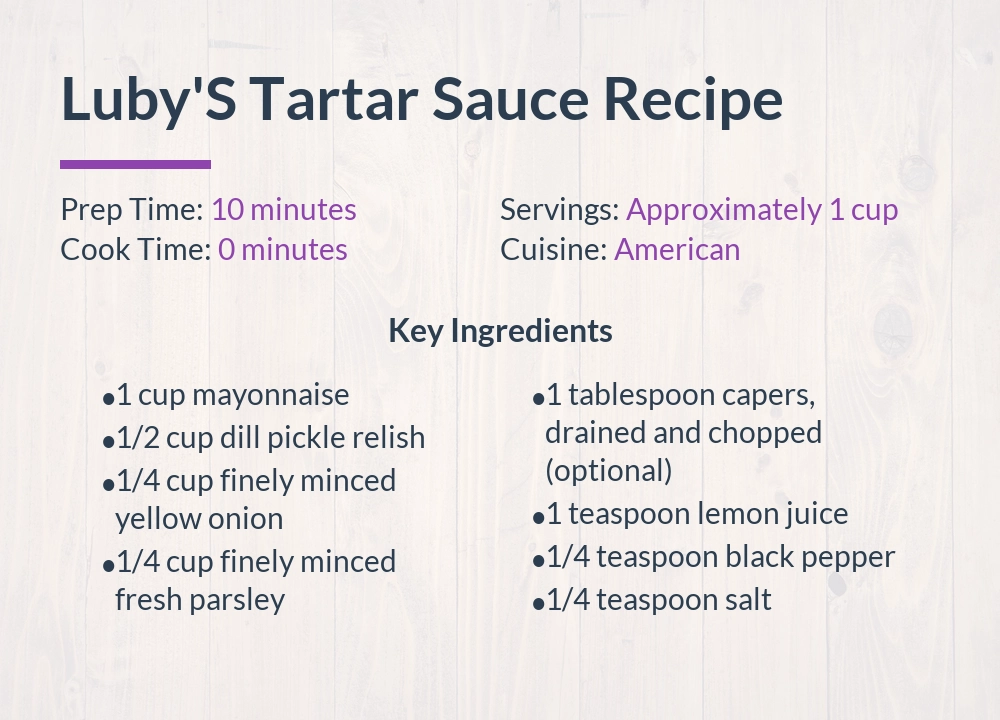
As an Amazon Associate, I may earn a small commission from qualifying purchases at no extra cost to you. This helps me create more valuable, tested content for you.
That distinct, creamy tang of Luby’s tartar sauce has a way of transporting me back to family dinners where everything felt simple and satisfying. I spent years trying to replicate that exact flavor in my own kitchen, and after countless tests, I finally nailed it. This recipe captures the essence of what makes Luby’s version so memorable, and I am excited to guide you through recreating it step by step.
Whether you are pairing it with fried fish or using it as a dip, this condiment elevates any meal. In this article, I will not only share the recipe but also dive into the ingredients, nutrition, and history to give you a complete understanding. You will learn how to avoid common pitfalls and adapt it to various dietary needs, ensuring perfect results every time.
How to Make Luby’s Tartar Sauce Recipe
This section provides the core recipe for making Luby’s tartar sauce at home. Follow these steps closely to achieve the authentic taste and texture that defines this classic condiment.
Recipe Details
- Prep Time: 10 minutes
- Cook Time: 0 minutes
- Servings: Approximately 1 cup
- Course: Condiment
- Cuisine: American
- Diet: Vegetarian
Ingredients
- 1 cup mayonnaise
- 1/2 cup dill pickle relish
- 1/4 cup finely minced yellow onion
- 1/4 cup finely minced fresh parsley
- 1 tablespoon capers, drained and chopped (optional)
- 1 teaspoon lemon juice
- 1/4 teaspoon black pepper
- 1/4 teaspoon salt
Instructions
- Gather all ingredients and ensure they are at room temperature for even mixing.
- In a medium bowl, combine the mayonnaise and dill pickle relish using a rubber spatula.
- Add the minced yellow onion, fresh parsley, and capers if using. Stir gently to incorporate.
- Mix in the lemon juice, black pepper, and salt. Adjust seasoning to taste.
- Cover the bowl with plastic wrap and refrigerate for at least 30 minutes to allow flavors to meld.
- Serve chilled with your preferred dishes, such as fried fish or french fries.
Nutrition
- Calories: 98 kcal
- Protein: 0.5 g
- Fat: 10 g
- Carbohydrates: 2 g
- Sugar: 1 g
- Fiber: 0.3 g
- Sodium: 180 mg
- Cholesterol: 5 mg
Cooking Method
This recipe requires no cooking, as it is a cold preparation method. The key steps involve mixing ingredients thoroughly and chilling to enhance flavor integration. Using a bowl and rubber spatula ensures a smooth, consistent texture without overworking the components.
Tools Needed
- Medium mixing bowl
- Rubber spatula
- Measuring cups and spoons
- Knife and cutting board for mincing
- Airtight container for storage
Ingredient Analysis
Understanding each component of this sauce helps in achieving the right balance and allows for informed substitutions. Let us break down the primary ingredients and their roles.
Mayonnaise
Mayonnaise serves as the base, providing creaminess and richness. I prefer using full-fat versions for authenticity, but light options can alter the texture. Brands like Kroger or homemade mayo work well, as they have a neutral flavor that does not overpower the relish and herbs.
The emulsion of oil and egg in mayonnaise creates a stable foundation. If you are watching fat intake, consider Greek yogurt blends, though this changes the classic profile. Always check for freshness, as old mayo can develop off-flavors.
Dill Pickle Relish
Dill pickle relish introduces tanginess and crunch, which are hallmark traits of Luby’s recipe. I recommend using a brand with minimal added sugar to keep the sauce savory. The relish should be well-drained to prevent excess moisture from making the sauce runny.
Sweet pickle relish can be used for a milder taste, but it diverges from the original. The dill variety complements fried foods by cutting through grease with its acidity. For texture, finely chopped pickles are an alternative if relish is unavailable.
Onions and Parsley
Finely minced yellow onion adds a sharp, aromatic note that balances the creaminess. Fresh parsley contributes a herbal freshness and visual appeal. I advise against using dried herbs, as they lack the vibrant flavor needed for authenticity.
If yellow onions are too pungent, sweet onions like Vidalia can soften the bite. Green onions are another option, offering a milder taste. Always mince ingredients uniformly to ensure even distribution throughout the sauce.
Nutritional Breakdown
As a dietician, I analyze recipes for their health impacts. This tartar sauce is calorie-dense due to mayonnaise, but it can fit into a balanced diet when used in moderation. The primary nutrients come from fats and sodium, with minimal protein or fiber.
The sauce provides about 10 grams of fat per serving, mostly from unsaturated oils if using quality mayo. Sodium levels are moderate, but those on low-sodium diets should reduce salt or use low-sodium relish. Adding parsley introduces trace vitamins like Vitamin K and C.
For weight management, measure portions carefully. Pairing with baked instead of fried foods can offset calorie intake. The lemon juice aids digestion, while capers add antioxidants without significant calories.
Dietary Adaptations
Adapting this recipe for specific dietary needs is straightforward with simple swaps. Here are practical variations to accommodate common restrictions.
Vegan Version
Replace mayonnaise with a plant-based alternative, such as those made from soy or avocado oil. Ensure the relish and other ingredients are vegan-friendly, as some brands may contain animal-derived additives. The flavor profile remains similar, with a slight nuttiness from vegan mayo.
Gluten-Free Option
This recipe is naturally gluten-free, but always verify labels on relishes and mayonnaises, as some might include gluten-containing stabilizers. I recommend testing with certified gluten-free products to avoid cross-contamination.
Low-Sodium Adjustment
Reduce sodium by using low-sodium mayonnaise and relish. Omit added salt and increase herbs like parsley or dill for flavor. Lemon juice can enhance taste without raising sodium levels, making it suitable for hypertension management.
Cultural and Historical Context
Tartar sauce has roots in European cuisine, often associated with French and British fish dishes. Luby’s, a well-known American cafeteria chain, popularized its version in the mid-20th century, emphasizing simplicity and consistency. This recipe reflects post-war American dining, where comfort foods like fried fish and creamy sauces gained widespread appeal.
Luby’s commitment to quality ingredients made their tartar sauce a staple. It became a symbol of family-style dining, evoking nostalgia for many. Understanding this history enriches the cooking experience, connecting you to a broader culinary tradition.
Common Mistakes and Expert Tips
Avoiding common errors ensures your tartar sauce turns out perfectly. Here are insights from my culinary experience to help you succeed.
Overmixing the Sauce
Vigorous stirring can break down the relish and herbs, leading to a mushy texture. Use a folding motion with a rubber spatula to maintain chunkiness. Chill the sauce before serving to firm it up, as this prevents separation.
Ingredient Temperature
Using cold ingredients straight from the refrigerator can result in a stiff mixture. Allow components to sit at room temperature for about 10 minutes before mixing. This promotes smoother blending and better flavor integration.
Storage and Shelf Life
Store the sauce in an airtight container in the refrigerator for up to five days. Do not freeze it, as freezing causes mayonnaise to separate and become grainy. If liquid pools on top, stir it back in before use.
Serving, Pairing, and Storage
This tartar sauce is versatile beyond fried fish. Try it with baked cod, clam strips, or even as a dip for vegetables and crackers. For a complete meal, pair it with Luby’s-style fried fish coated in buttermilk and flour, served with golden brown french fries.
When serving, present it in a small bowl alongside main dishes to control portions. For gatherings, double the recipe and keep it chilled until ready. Always use clean utensils to prevent contamination and extend freshness.
The Science Behind Tartar Sauce
The emulsion in mayonnaise stabilizes the sauce, while acidity from relish and lemon juice balances fat. Chilling allows flavors to meld through diffusion, where molecules intermingle for a cohesive taste. Understanding this helps in adjusting ingredients for desired consistency and taste.
Frequently Asked Questions
What is Luby’s tartar sauce recipe?
Luby’s tartar sauce recipe is a classic condiment made from mayonnaise, dill pickle relish, minced onions, parsley, and seasonings. It is known for its creamy texture and tangy flavor, often served with fried fish.
Why is Luby’s tartar sauce recipe important?
This recipe is important because it replicates a beloved restaurant-style sauce at home, offering consistency and nostalgia. It enhances meals with its balanced flavors and can be customized for dietary preferences.
How does Luby’s tartar sauce recipe work?
The recipe works by combining emulsified mayonnaise with acidic relish and aromatics, creating a harmonious blend. Chilling time allows ingredients to integrate, resulting in a smooth, flavorful sauce.
Can I make this sauce ahead of time?
Yes, making it ahead is recommended. Prepare it up to a day in advance and refrigerate to develop deeper flavors. Stir well before serving to redistribute any separated liquids.
What can I substitute for dill pickle relish?
If dill pickle relish is unavailable, use finely chopped dill pickles or sweet relish adjusted with extra dill weed. Avoid using pickle juice, as it can make the sauce too watery.
Is this recipe suitable for a low-fat diet?
For a low-fat version, substitute mayonnaise with low-fat Greek yogurt or light mayo. Note that this changes the texture and taste, so adjust seasonings accordingly.
How long can I store homemade tartar sauce?
Homemade tartar sauce lasts up to five days in the refrigerator when stored in an airtight container. Discard if you notice any off smells or mold.
What dishes pair well with this tartar sauce?
It pairs excellently with fried or baked fish, seafood like clams, and even as a dip for fries or onion rings. It complements crunchy textures with its creamy contrast.
Can I add other ingredients to this recipe?
Yes, additions like chopped capers, horseradish, or hot sauce can customize the flavor. Start with small amounts and taste as you go to avoid overpowering the base.
Why did my sauce turn out watery?
Watery sauce often results from undrained relish or overmixing. Ensure relish is well-drained and mix ingredients gently. If it occurs, chill it longer to thicken.