Reina
Reina 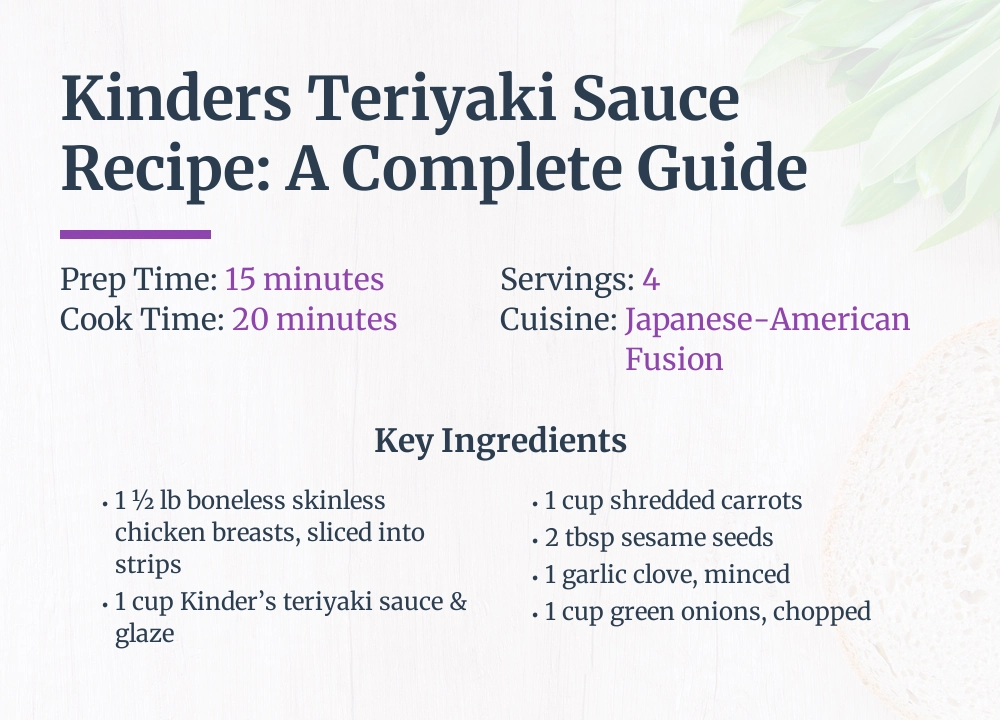
As an Amazon Associate, I may earn a small commission from qualifying purchases at no extra cost to you. This helps me create more valuable, tested content for you.
The first time I prepared a meal with Kinder’s teriyaki sauce, the rich aroma of soy and sesame filled my kitchen, reminding me of bustling street food stalls in Tokyo. You might have picked up a bottle of this glaze, wondering how to transform it into a restaurant-quality dish without guesswork. This recipe eliminates that uncertainty by providing a detailed method for using Kinder’s teriyaki sauce as both a marinade and glaze, ensuring your proteins and vegetables absorb maximum flavor.
Whether you are grilling chicken for a weeknight dinner or meal prepping for the days ahead, this approach balances ease with depth. I have tested this process repeatedly in my own kitchen, adjusting heat levels and marinating times to achieve consistent results. By the end of this guide, you will know exactly how to leverage Kinder’s teriyaki sauce for meals that are both nutritious and deeply satisfying.
How to Make Kinders Teriyaki Sauce Recipe
This section provides the core recipe for using Kinder’s teriyaki sauce to create a versatile dish centered around chicken and vegetables. Follow these steps to replicate the method I use regularly, which yields a balanced meal with crisp-tender veggies and perfectly cooked meat.
Recipe Details
- Prep Time: 15 minutes
- Cook Time: 20 minutes
- Servings: 4
- Course: Main Course
- Cuisine: Japanese-American Fusion
- Diet: Adaptable for Gluten-Free and Low-Sugar
Ingredients
- 1 ½ lb boneless skinless chicken breasts, sliced into strips
- 1 cup Kinder’s teriyaki sauce & glaze
- 2 tbsp sesame oil
- 1 large red bell pepper, thinly sliced
- 2 cups broccoli florets
- 1 cup shredded carrots
- 2 tbsp sesame seeds
- 1 garlic clove, minced
- 1 cup green onions, chopped
- 3 cups cooked rice, for serving
Instructions
- Begin by placing the chicken strips in a bowl and pouring ½ cup of Kinder’s teriyaki sauce over them. Ensure each piece is coated evenly, then cover and marinate in the refrigerator for 30 minutes to 1 hour. This step allows the flavors to penetrate the meat deeply.
- Heat 1 tbsp of sesame oil in a large skillet over medium-high heat. Add the marinated chicken, reserving the excess marinade. Cook for 5-7 minutes, stirring occasionally, until the chicken reaches an internal temperature of at least 165°F. Remove the chicken to a plate and set aside.
- In the same skillet, add the remaining sesame oil. Sauté the minced garlic for 30 seconds until fragrant, then add the bell pepper, broccoli, and carrots. Stir-fry for 3-5 minutes until the vegetables are tender but still crisp.
- Return the cooked chicken to the skillet. Pour in the remaining ½ cup of Kinder’s teriyaki sauce and stir everything together. Cook for an additional 2 minutes, allowing the sauce to thicken and coat the ingredients evenly.
- Garnish with sesame seeds and green onions before serving. Plate over cooked rice and enjoy immediately for the best texture and flavor.
Nutrition
- Calories: 420 kcal
- Protein: 35 g
- Fat: 12 g
- Carbohydrates: 45 g
- Sugar: 15 g
- Fiber: 4 g
- Sodium: 1100 mg
- Cholesterol: 85 mg
Cooking Method
This recipe employs a combination of marinating and stir-frying to maximize flavor infusion and texture. Marinating the chicken beforehand ensures that the teriyaki sauce penetrates beyond the surface, while stir-frying over medium-high heat creates a slight caramelization on the vegetables and meat. Using a single skillet simplifies cleanup and allows the fond from cooking to enhance the sauce’s depth.
Tools Needed
- Large skillet or wok
- Mixing bowls
- Measuring cups and spoons
- Knife and cutting board
- Meat thermometer
Understanding the Core Ingredients
Each component in this recipe plays a specific role in building the final dish’s flavor profile and nutritional value. By selecting high-quality ingredients, you can elevate the results significantly.
Soy-Based Sauce
Kinder’s teriyaki sauce serves as the foundation, providing a balance of sweet and savory notes. Its primary attributes include soy sauce for umami, ginger for warmth, and sweeteners like sugar or honey for caramelization. When heated, the sugars in the sauce undergo Maillard browning, which adds complexity to the glaze.
Chicken Breast
Boneless, skinless chicken breasts are lean and high in protein, making them a healthy base. Slicing them into uniform strips ensures even cooking and better sauce adhesion. Always check the internal temperature with a thermometer to avoid dryness, as overcooking can lead to toughness.
Sesame Oil
This oil contributes a nutty aroma and is rich in unsaturated fats. Toasting the sesame seeds in the oil before use can enhance their flavor, but be cautious not to burn them, as this introduces bitterness.
Vegetable Selection
Broccoli florets and bell peppers add fiber and vitamins, while carrots provide natural sweetness. Cutting vegetables into similar sizes promotes even cooking. You can substitute with other crisp vegetables like snap peas or zucchini based on seasonal availability.
Nutritional Insights and Health Benefits
This dish offers a balanced macronutrient profile, with protein from chicken supporting muscle repair and complex carbohydrates from rice providing sustained energy. The vegetables contribute dietary fiber, which aids digestion and helps regulate blood sugar levels.
Using Kinder’s teriyaki sauce adds sodium, so if you are monitoring intake, consider a reduced-sodium version or diluting with water. The sesame seeds and oil provide healthy fats, including omega-6 fatty acids, which support skin health and inflammation control.
For those focused on weight management, this recipe is relatively low in saturated fat and can be adjusted by increasing vegetable portions and reducing rice serving sizes. The combination of protein and fiber promotes satiety, reducing the likelihood of overeating.
Adapting the Recipe for Dietary Needs
Many readers have specific dietary requirements, and this recipe can be modified without sacrificing flavor. Here are practical swaps based on common needs.
Gluten-Free Adaptation
Ensure that the Kinder’s teriyaki sauce used is certified gluten-free, as traditional soy sauce contains wheat. Substitute tamari or coconut aminos if needed, and verify that all other ingredients, like sesame oil, are free from cross-contamination.
Low-Sugar Version
To reduce sugar content, look for a teriyaki sauce with no added sugars or make a homemade blend using sugar alternatives like stevia. Increase the use of aromatic ingredients like garlic and ginger to compensate for sweetness loss.
Vegan and Vegetarian Options
Replace chicken with firm tofu or tempeh, marinating and cooking them similarly. For a vegetable-heavy approach, use mushrooms or cauliflower as the primary protein source, adjusting cooking times to prevent sogginess.
The Origins and Evolution of Teriyaki
Teriyaki originated in Japan during the 17th century, where “teri” refers to the shine from the glaze and “yaki” means grilling or broiling. Initially, it involved fish brushed with a mixture of soy sauce, mirin, and sugar. Over time, Japanese immigrants introduced it to America, where it adapted to local tastes, leading to thicker, sweeter sauces like Kinder’s version.
This fusion style incorporates elements like sesame and ginger, which are more prominent in Western interpretations. Understanding this history helps appreciate how the recipe balances authenticity with accessibility, using pre-made sauces to simplify preparation while honoring core techniques.
Avoiding Common Cooking Errors
Many home cooks encounter issues when working with teriyaki sauces, such as burning or uneven marinating. Here is how to prevent these pitfalls based on my experience.
Overcooking the Sauce
Teriyaki glaze contains sugars that can burn easily over high heat. Always monitor the skillet and reduce heat if the sauce begins to smoke. Adding a splash of water can thin it out and prevent scorching.
Inadequate Marinating Time
Marinating for less than 30 minutes results in superficial flavor. For deeper penetration, extend the time to an hour or score the chicken lightly before marinating. Do not exceed 2 hours, as the acidity can start to break down the meat fibers.
Uneven Vegetable Cooking
Dense vegetables like carrots take longer to cook than bell peppers. Add them to the skillet first, followed by quicker-cooking items. Stirring frequently ensures all pieces are exposed to heat evenly.
Serving Ideas and Meal Pairings
This teriyaki dish pairs well with steamed jasmine rice or quinoa for a complete meal. For a low-carb option, serve over cauliflower rice or alongside a crisp iceberg lettuce salad. Garnishing with extra green onions and sesame seeds adds visual appeal and texture.
Leftovers can be stored in an airtight container in the refrigerator for up to 3 days. Reheat gently in a skillet to maintain the vegetables’ crispness. Avoid microwaving, as it can make the sauce separate and the chicken rubbery.
Frequently Asked Questions
What is the purpose of marinating the chicken?
Marinating allows the teriyaki sauce to infuse the chicken with flavor and tenderize the meat. The acids and enzymes in the sauce break down proteins, resulting in a more juicy and flavorful final product.
Can I use this recipe with other meats?
Yes, this method works with beef, pork, or even shrimp. Adjust cooking times based on the protein’s thickness and desired doneness. For beef, aim for an internal temperature of 145°F for medium-rare.
How do I prevent the sauce from becoming too salty?
Choose a low-sodium teriyaki sauce or dilute it with a bit of water or unsalted broth. Balancing with fresh vegetables and serving over plain rice can also counterbalance saltiness.
Is it necessary to use a meat thermometer?
Using a thermometer ensures food safety by verifying that chicken reaches 165°F internally. This prevents undercooking, which can lead to foodborne illnesses, and overcooking, which dries out the meat.
Can I make this recipe ahead of time?
You can marinate the chicken and chop vegetables up to a day in advance. Store them separately in the refrigerator. Cook just before serving to maintain optimal texture and flavor.
What are the best vegetables to add?
Sturdy vegetables like broccoli, carrots, and bell peppers hold up well to stir-frying. Avoid watery vegetables like tomatoes, as they can make the sauce thin and dilute the flavor.
How can I thicken the teriyaki glaze?
If the sauce is too thin, mix a teaspoon of cornstarch with water and stir it into the skillet during the last minute of cooking. This will create a thicker, glossier coating without altering the taste.