Reina
Reina 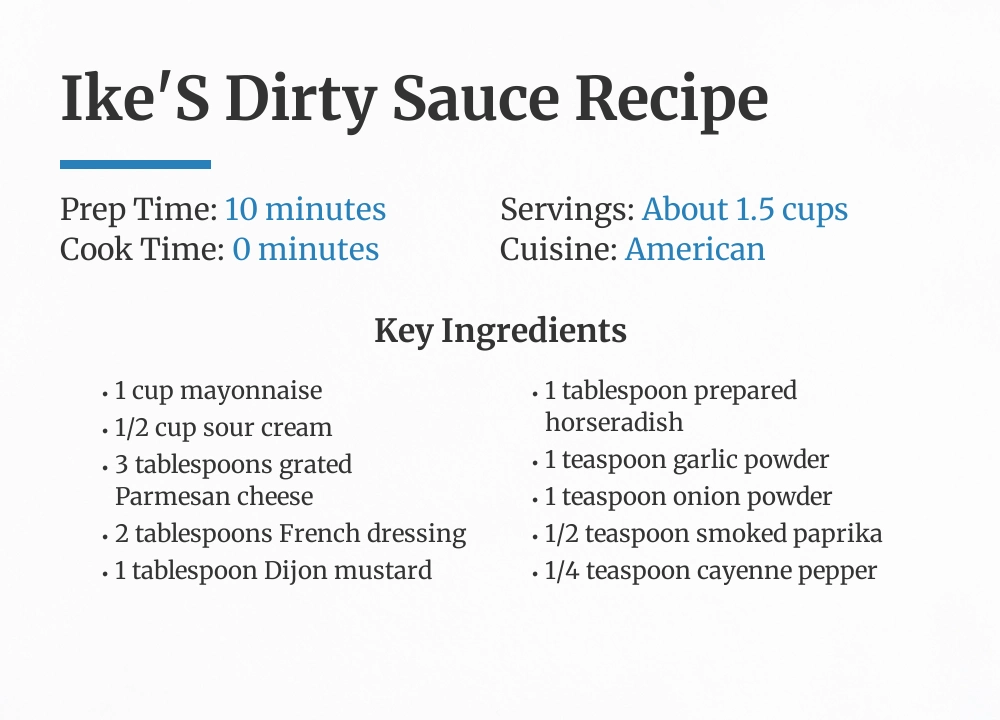
As an Amazon Associate, I may earn a small commission from qualifying purchases at no extra cost to you. This helps me create more valuable, tested content for you.
[META_KEYWORDS_START] Ike’s Dirty Sauce recipe, copycat sauce, sandwich condiment, vegan dressing, creamy garlic sauce [META_KEYWORDS_START]
You know that distinct flavor from Ike’s Love and Sandwiches, the one that makes their Dutch crunch bread so memorable. After many attempts to pin down the exact combination, this version comes very close to the original condiment. My first encounter with it was on a sandwich named after a local sports figure, and the complexity of the sauce stood out immediately.
This guide provides a detailed method for recreating that signature taste in your own kitchen. We will cover the core recipe, its components, and how to adjust it for various dietary needs. The goal is to give you a complete understanding of how this condiment functions, not just a list of ingredients.
How to Make Ike’s Dirty Sauce Recipe
This is the foundational recipe for the classic sauce. Follow these steps precisely for the best texture and flavor balance.
Recipe Details
- Prep Time: 10 minutes
- Cook Time: 0 minutes
- Servings: About 1.5 cups
- Course: Condiment
- Cuisine: American
- Diet: Vegetarian
Ingredients
- 1 cup mayonnaise
- 1/2 cup sour cream
- 3 tablespoons grated Parmesan cheese
- 2 tablespoons French dressing
- 1 tablespoon Dijon mustard
- 1 tablespoon prepared horseradish
- 1 teaspoon garlic powder
- 1 teaspoon onion powder
- 1/2 teaspoon smoked paprika
- 1/4 teaspoon cayenne pepper
- 1/4 teaspoon salt
- 1/4 teaspoon black pepper
Instructions
- Add the mayonnaise and sour cream to a medium-sized mixing bowl.
- Whisk these two bases together until they are fully combined and smooth.
- Incorporate the French dressing, Dijon mustard, and prepared horseradish.
- Whisk again to integrate these wet ingredients completely.
- Sprinkle in the grated Parmesan cheese, garlic powder, and onion powder.
- Add the smoked paprika, cayenne pepper, salt, and black pepper.
- Whisk everything together until the sauce is uniform in color and texture.
- Transfer the finished sauce to an airtight container like a glass jar or bottle.
- Refrigerate for at least one hour before using to allow the flavors to meld.
Nutrition
- Calories: 110 kcal
- Protein: 1 g
- Fat: 11 g
- Carbohydrates: 2 g
- Sugar: 1 g
- Fiber: 0 g
- Sodium: 180 mg
- Cholesterol: 10 mg
These values are per tablespoon serving. The numbers can vary based on the specific brands of ingredients you select.
Cooking Method
This is a no-cook, cold preparation method. The entire process involves mixing and emulsifying ingredients in a bowl. No heat application is required or recommended for this condiment.
The key to success is thorough whisking at each stage. This ensures a creamy, homogeneous texture without any separated components.
Tools Needed
- Medium mixing bowl
- Whisk
- Measuring cups and spoons
- Airtight container for storage
- Microplane or grater for the Parmesan cheese
Understanding the Core Ingredients
Each component in this sauce has a specific role. Understanding these roles helps you make informed substitutions later.
Mayonnaise and Sour Cream
These two elements form the creamy foundation of the sauce. Mayonnaise provides a rich, oily base and acts as the primary emulsifier. Full-fat versions yield the most authentic texture and mouthfeel.
Sour cream introduces a subtle tang and thins the mayonnaise slightly. This combination prevents the final product from being overly thick or greasy. The lactic acid in the sour cream also balances the richness of the other ingredients.
French Dressing
This is a critical flavor agent that contributes sweetness and a distinct tomato note. The classic orange-hued French dressing, not a vinaigrette, is what you need. It contains tomato puree, vinegar, sugar, and paprika, which all integrate into the sauce’s profile.
Its inclusion is what differentiates this recipe from a standard aioli or ranch dressing. The sugar content helps to balance the sharpness of the horseradish and mustard.
Dijon Mustard and Horseradish
Dijon mustard provides a sharp, clean heat and acts as a secondary emulsifier. Its flavor is more complex and less pungent than yellow mustard. The horseradish delivers a nasal heat that is sharp but dissipates quickly.
Using prepared horseradish, which is stored in vinegar, is ideal. The vinegar helps to preserve the sauce and adds another layer of acidity. Together, they create a spicy backbone that is not overwhelmingly hot.
Cheese and Seasonings
Freshly grated Parmesan cheese is superior to the pre-shredded kind. It incorporates more smoothly and delivers a savory, umami depth. The garlic and onion powders provide a consistent, background flavor without the sharpness of raw alliums.
Smoked paprika adds a subtle smokiness and contributes to the sauce’s light orange color. Cayenne pepper brings a direct, low-level heat that complements the other spices. Salt and black pepper are essential for rounding out the overall flavor profile.
Nutritional Profile and Dietary Considerations
As a condiment, this sauce is intended to be used in moderation. A single tablespoon provides a significant amount of flavor.
Caloric and Fat Content
The primary sources of calories are the fats from mayonnaise and sour cream. These are mostly unsaturated fats from the soybean or canola oil in mayonnaise. Using light or reduced-fat versions of these bases will lower the calorie count.
It will also alter the texture, often making it thinner and less rich. The Parmesan cheese contributes a small amount of saturated fat and protein.
Sodium and Sugar Levels
Sodium is present from multiple sources: the Parmesan, the prepared horseradish, the Dijon mustard, and the added salt. The French dressing is the main contributor of added sugar. If you are monitoring sugar intake, look for a reduced-sugar French dressing option.
You can also slightly reduce the amount of French dressing used. Be aware that this will change the classic flavor balance.
Creating a Vegan Adaptation
A plant-based version of this sauce is entirely possible and quite successful. Replace the mayonnaise with a high-quality vegan mayonnaise made from avocado oil or soy.
Use vegan sour cream or plain, unsweetened vegan yogurt. For the Parmesan cheese, a store-bought vegan Parmesan or a homemade blend of nutritional yeast, ground almonds, and salt works well. Ensure the French dressing and Dijon mustard you select are vegan-friendly.
Other Dietary Modifications
For a gluten-free version, confirm that all packaged ingredients, especially the French dressing and Dijon mustard, are certified gluten-free. To lower the fat content, use light mayonnaise and light sour cream.
Be mindful that this can make the sauce more prone to separation and less stable over time. For a dairy-free version that is not fully vegan, you can use a dairy-free sour cream alternative while keeping the regular mayonnaise.
The Role of the Sauce in a Sandwich
This condiment is designed to complement a wide array of sandwich components. Its versatility is a key part of its appeal.
Pairing with Proteins
The sauce’s creamy and spicy character stands up well to robust proteins. It is a classic pairing for fried chicken strips, as seen in many of Ike’s sandwich offerings. It also works with beef, such as in a cheesesteak, and with bacon.
The acidity cuts through the richness of fried or fatty meats. For vegetarian options, it pairs excellently with vegan meatballs, breaded artichoke hearts, or beer-battered onion rings.
Complementing Cheeses and Breads
The sauce acts as a bridge between the protein and the cheese. It works well with both mild cheeses like American and Provolone, and sharper varieties like Cheddar. The iconic Dutch crunch bread is a perfect vehicle because its slightly sweet, crispy top contrasts with the creamy sauce.
The sauce moistens the bread without making it soggy, which is crucial for a sandwich that holds its structure. It can also be used as a dressing for a sandwich-style salad.
Comparison to Other Sauces
This sauce is often compared to a creamy Caesar or a remoulade, but it is distinct. It lacks the anchovy note of a Caesar and is creamier than a typical remoulade. It shares some DNA with a creamy garlic Dijon aioli, but the French dressing and horseradish set it apart.
It is different from a buffalo wing sauce, which is primarily vinegar and hot sauce based, though they can sometimes be used in tandem on a menu.
Storage and Practical Usage Tips
Proper storage is essential for maintaining quality and food safety.
Refrigeration and Shelf Life
Store the sauce in a sealed container in the refrigerator at all times. Due to the dairy content from the sour cream, it is perishable. The sauce will maintain its best quality for 5 to 7 days.
Always use a clean utensil when scooping sauce from the container to prevent bacterial contamination. Do not leave the sauce at room temperature for more than two hours.
Texture and Consistency Management
If the sauce thickens too much in the refrigerator, you can thin it with a teaspoon of milk, buttermilk, or water. Whisk it vigorously to restore the emulsion. For a smoother texture, you can blend all the ingredients in a small food processor or blender.
This is especially useful if you are using coarsely grated Parmesan. The flavor will intensify over the first 24 hours as the dried spices fully hydrate and meld.
Application Beyond Sandwiches
While designed for sandwiches, this sauce has other uses. It can serve as a dip for chicken strips, french fries, or vegetable crudités. It can be a spread for burgers or a topping for baked potatoes.
Thinned out with a little more sour cream or buttermilk, it can become a dressing for a robust chopped salad. Its versatility is one of its greatest strengths.
Frequently Asked Questions
What is the main flavor profile of Ike’s Dirty Sauce?
The sauce is predominantly creamy, tangy, and savory with a mild, complex heat. It is not a spicy hot sauce, but the horseradish, Dijon, and cayenne provide a layered warmth. The French dressing adds a subtle sweetness that balances the other flavors.
Can I make this sauce ahead of time?
Yes, making it ahead is recommended. The flavors improve and become more cohesive after resting in the refrigerator for at least one hour. It can be prepared up to two days in advance without any loss of quality.
What can I use if I don’t have French dressing?
A substitute is challenging, as it is a key flavor. You can try a mixture of 1 tablespoon ketchup, 1 tablespoon vinegar, and 1/2 teaspoon sugar. This will mimic the sweet and tangy tomato notes, though the result will not be identical to the original.
Is there a way to make a lower-calorie version?
You can use light mayonnaise and light sour cream to reduce calories and fat. Be aware that the texture may be less rich and more prone to weeping or separation. The flavor will also be slightly less robust.
Why did my sauce turn out too thin?
A thin sauce is usually the result of using low-fat dairy bases or over-measuring the French dressing. Letting it rest in the fridge will sometimes thicken it slightly. You can also add a bit more mayonnaise or Parmesan cheese to thicken it back up.
Can I freeze this sauce for later use?
Freezing is not recommended. The emulsion will likely break upon thawing, causing the sauce to become watery and grainy. The dairy components can also develop an undesirable texture after being frozen and defrosted.
What are the best sandwiches to use this sauce on?
It is excellent on sandwiches with fried chicken, roast beef, or turkey. It complements vegetarian options with avocado, provolone, or vegan meatballs. The sauce works with any sandwich that benefits from a creamy, zesty condiment.