Reina
Reina 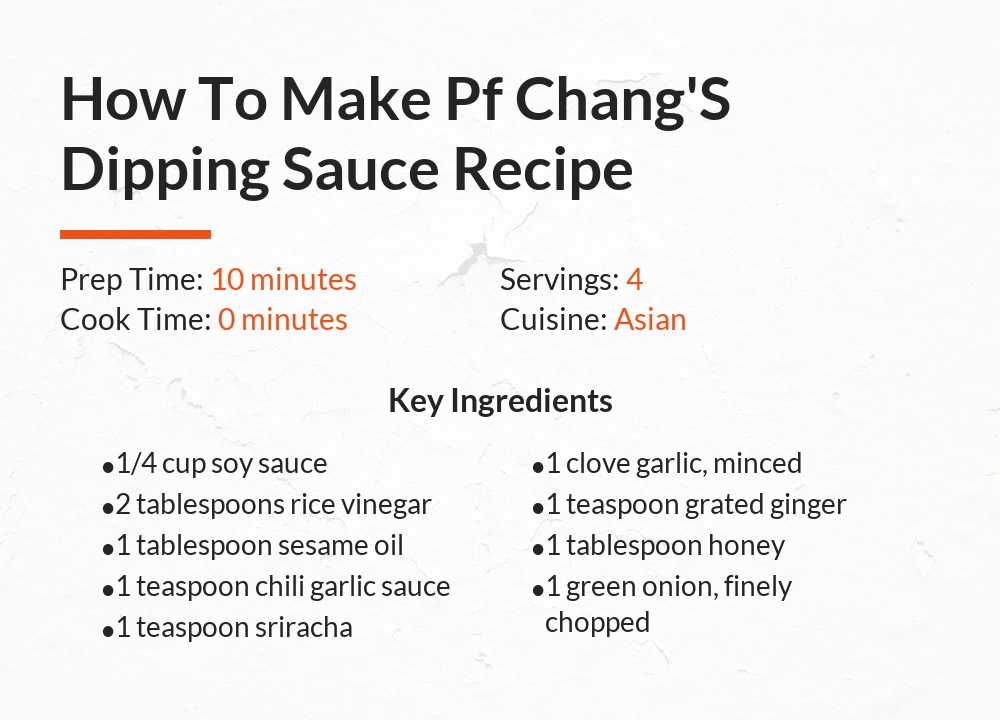
As an Amazon Associate, I may earn a small commission from qualifying purchases at no extra cost to you. This helps me create more valuable, tested content for you.
That moment when you dip into PF Chang’s signature sauce at the restaurant, and the flavors explode—it sticks with you. You might have tried to replicate it at home, only to find the balance off or the taste not quite right. I faced the same challenge after many visits, where the sauce became a highlight of meals shared with friends. This recipe captures that essence, allowing you to bring the experience into your kitchen without guesswork.
As a dietician and culinary enthusiast, I tested this version repeatedly to ensure it delivers the authentic tang and depth. You will discover how simple ingredients combine for a versatile condiment. Whether for lettuce wraps or as a drizzle over grilled dishes, this guide covers every detail. Let’s start with the core recipe, then explore the nuances that make it stand out.
How to Make PF Chang’s Dipping Sauce Recipe
This section provides the exact steps to create the dipping sauce, focusing on precision and ease. Follow the measurements closely for consistent results, and adjust based on your taste preferences later.
Recipe Details
- Prep Time: 10 minutes
- Cook Time: 0 minutes
- Servings: 4
- Course: Appetizer
- Cuisine: Asian
- Diet: Vegetarian
Ingredients
- 1/4 cup soy sauce
- 2 tablespoons rice vinegar
- 1 tablespoon sesame oil
- 1 teaspoon chili garlic sauce
- 1 teaspoon sriracha
- 1 clove garlic, minced
- 1 teaspoon grated ginger
- 1 tablespoon honey
- 1 green onion, finely chopped
Instructions
- Gather all ingredients and a small mixing bowl. Ensure the garlic and ginger are freshly prepared for optimal flavor.
- Combine the soy sauce, rice vinegar, and sesame oil in the bowl. Whisk them together until the mixture appears uniform.
- Add the chili garlic sauce, sriracha, minced garlic, grated ginger, and honey. Stir thoroughly to integrate the sweet and spicy elements.
- Incorporate the chopped green onion for a fresh finish. Let the sauce sit for 10 minutes to allow the flavors to meld.
- Taste and adjust if needed—add more honey for sweetness or sriracha for heat. Serve immediately or transfer to an airtight container.
Nutrition
- Calories: 35 kcal
- Protein: 1 g
- Fat: 1.5 g
- Carbohydrates: 5 g
- Sugar: 4 g
- Fiber: 0 g
- Sodium: 620 mg
- Cholesterol: 0 mg
Cooking Method
No cooking is involved in this recipe. The process relies on mixing and resting to develop the sauce’s complexity. Use a whisk or fork to emulsify the ingredients smoothly.
Tools Needed
- Small mixing bowl
- Whisk or fork
- Measuring spoons and cups
- Grater for ginger
- Knife and cutting board
Understanding the Ingredients
Each component in this sauce plays a specific role in building flavor and texture. Knowing their attributes helps you make informed substitutions or adjustments.
Soy Sauce
Soy sauce forms the base, providing umami and saltiness. It originates from fermented soybeans and wheat, though gluten-free options exist. I prefer using low-sodium versions to control salt intake without sacrificing taste.
The fermentation process can last months, influencing the depth. In this recipe, it balances the acidity from vinegar and the heat from chilies. Store it in a cool, dark place to maintain quality.
Rice Vinegar
Rice vinegar adds a mild acidity that brightens the sauce. Made from fermented rice, it has a subtle sweetness compared to other vinegars. This ingredient prevents the sauce from becoming overly heavy.
Its acidity level varies by brand, so start with the recommended amount. You can adjust it based on your preference for tanginess. It also acts as a natural preservative.
Sesame Oil
Sesame oil contributes a nutty aroma and richness. Cold-pressed varieties retain more flavor, but toasted sesame oil works well for intensity. Use it sparingly, as too much can overpower other elements.
This oil contains antioxidants and healthy fats, aligning with a balanced diet. Always check for freshness, as it can turn rancid over time. Store it in the fridge after opening.
Chili Garlic Sauce
Chili garlic sauce introduces heat and garlicky notes. It typically includes ground chilies, garlic, vinegar, and salt. The consistency can range from smooth to chunky, affecting the sauce’s texture.
For a milder version, reduce the quantity or use a less spicy brand. This sauce also adds complexity through fermentation, similar to soy sauce. It pairs well with meats like chicken or pork.
Sriracha
Sriracha provides additional heat and a touch of sweetness. Made from chili paste, sugar, garlic, and vinegar, it enhances the spiciness without overwhelming. Adjust the amount based on your tolerance.
Its viscosity helps thicken the dipping sauce slightly. Some brands contain preservatives, so read labels if you prefer natural ingredients. It works in many Asian-inspired dishes beyond this recipe.
Garlic and Ginger
Fresh garlic and ginger offer aromatic depth and health benefits. Garlic adds pungency, while ginger provides a warm, zesty note. Minced or grated, they release oils that infuse the sauce quickly.
These ingredients contain anti-inflammatory compounds, supporting wellness. Use them immediately after preparation for the best flavor. They can be increased for a more robust profile.
Honey
Honey sweetens the sauce, countering the salt and spice. Its floral notes vary by type, such as clover or wildflower. Liquid honey blends easily, but you can substitute with maple syrup for a vegan option.
This natural sweetener also adds a glossy finish to the mixture. Be mindful of the sugar content if monitoring intake. It helps achieve the signature balance found in restaurant versions.
Nutritional Insights
From a dietary perspective, this sauce offers a mix of macronutrients and micronutrients. The sodium content is notable, primarily from soy sauce and chili garlic sauce. One serving contains around 620 mg, which is about 27% of the daily recommended limit.
Reducing sodium is possible by using low-sodium soy sauce or diluting with water. The fat comes mainly from sesame oil, providing unsaturated fats that support heart health. Carbohydrates are minimal, with sugars from honey contributing to the total.
This condiment is low in calories, making it a sensible addition to meals. The garlic and ginger add antioxidants, which may aid digestion and immunity. Always consider portion sizes, especially if you have dietary restrictions.
Dietary Modifications
Adapting this recipe for various diets is straightforward with simple swaps. Here are practical changes to meet common needs.
Gluten-Free Version
Replace regular soy sauce with tamari or a certified gluten-free soy sauce. Check that other ingredients like chili garlic sauce are gluten-free, as some brands use wheat-based thickeners.
This adjustment maintains the umami flavor without gluten. Serve it with gluten-free dishes like rice bowls or lettuce wraps. Always verify labels to avoid cross-contamination.
Vegan Adaptation
Substitute honey with agave syrup or maple syrup for sweetness. Ensure the sugar used in sriracha is vegan-friendly, as some processed sugars involve bone char.
The sauce remains plant-based and pairs well with tofu or vegetable skewers. This version aligns with ethical eating practices while retaining the original taste profile.
Low-Sodium Option
Use reduced-sodium soy sauce and limit added salt in other components. Increase the rice vinegar or add a splash of lime juice to enhance flavor without salt.
This approach helps manage blood pressure while keeping the sauce enjoyable. Consider adding more herbs like cilantro for freshness.
Reduced-Sugar Variation
Omit honey or use a sugar substitute like stevia. Be cautious with quantities, as alternatives can alter the texture. Increase spicy elements to distract from the sweetness reduction.
This modification suits low-carb or diabetic diets. Taste as you go to ensure the balance remains appealing.
Origins and Cultural Background
PF Chang’s draws inspiration from various Asian cuisines, blending Chinese, Thai, and other influences. The dipping sauce reflects this fusion, emphasizing balance—sweet, salty, sour, and spicy. It is not tied to a single tradition but designed for broad appeal.
Historically, similar sauces appear in dim sum settings or as accompaniments to grilled meats. The use of soy sauce and vinegar dates back centuries in East Asian cooking. This modern version simplifies complex flavors for home cooks.
Understanding this context enriches the cooking experience. It highlights how global ingredients come together in accessible ways. The sauce embodies the evolution of Asian-American culinary trends.
Common Pitfalls and How to Avoid Them
Many people struggle with achieving the right consistency or flavor balance. Here are typical errors and solutions based on my tests.
Overpowering Saltiness
Using too much soy sauce or high-sodium brands can make the sauce unpalatable. Measure ingredients precisely and opt for low-sodium versions. If it’s too salty, add a teaspoon of water or more vinegar to dilute.
Balance it with extra honey or a pinch of sugar. Taste after each adjustment to avoid overcorrecting. This issue often arises from not accounting for salt in other components.
Inadequate Flavor Integration
If the sauce tastes flat, it might need more resting time. Let it sit for at least 10 minutes to allow the garlic and ginger to infuse. Stir it again before serving to redistribute the elements.
Ensure the garlic and ginger are freshly prepared—pre-minced versions lack potency. Adjust the ratio of spicy to sweet ingredients based on your preference.
Separation of Ingredients
Oil and vinegar can separate if not mixed properly. Whisk vigorously to emulsify the sauce, or use a small blender for a smoother texture. If separation occurs, stir it again just before use.
Store it in an airtight container and shake well if refrigerated. This problem is common with homemade sauces but easily fixed.
Excessive Heat
Adding too much sriracha or chili garlic sauce can overwhelm the sauce. Start with smaller amounts and increase gradually. For a milder version, use bell pepper paste or omit the spiciest elements.
Cool it down with a touch of honey or a splash of citrus juice. Remember that heat intensifies over time, so proceed cautiously.
Serving Suggestions and Pairings
This dipping sauce complements a variety of dishes, enhancing their flavor profiles. Use it as a condiment for appetizers or a marinade for proteins.
With Lettuce Wraps
PF Chang’s lettuce wraps are a classic pairing. The sauce adds moisture and zest to fillings like ground chicken or tofu. Use butter lettuce leaves for their pliability and mild taste.
Assemble the wraps by placing the filling in the lettuce, then drizzle the sauce over the top. This combination makes for a light yet satisfying meal. It works well for gatherings or quick lunches.
As a Marinade
Marinate chicken, beef, or pork in the sauce for 30 minutes before cooking. The acidity tenderizes the meat while imparting flavor. Grill or bake the protein for a delicious main course.
Adjust the marinating time based on the meat’s thickness—longer for tougher cuts. Avoid reusing the marinade without boiling it to prevent contamination.
For Dipping Appetizers
Serve it with spring rolls, dumplings, or satay skewers. The sauce’s versatility shines with fried or steamed items. It can also accompany vegetable platters for a healthy snack.
Provide small dipping bowls for individual portions. This approach keeps the sauce accessible and prevents cross-contamination.
In Bowls and Salads
Drizzle it over rice bowls with vegetables and protein. It adds moisture and flavor to grain-based dishes. Try it with quinoa or noodle salads for an Asian twist.
Combine it with slaw or roasted veggies for extra zest. The sauce binds ingredients together without heavy dressings.
The Science Behind the Flavors
Umami from soy sauce interacts with sweet, sour, and spicy elements to create a harmonious blend. Fermentation in soy sauce and chili garlic sauce produces glutamates, enhancing savoriness. Sugar in honey caramelizes subtly, adding depth.
Acidity from vinegar cuts through richness, making the sauce palate-cleansing. Emulsification of oil and liquid ingredients ensures a consistent texture. Understanding these principles helps in troubleshooting and customization.
Frequently Asked Questions
What is PF Chang’s dipping sauce made of?
It typically includes soy sauce, rice vinegar, sesame oil, chili garlic sauce, sriracha, garlic, ginger, and a sweetener like honey. These ingredients create a balanced, tangy, and spicy condiment.
Can I make this sauce ahead of time?
Yes, prepare it up to 1-2 weeks in advance and store it in an airtight container in the refrigerator. The flavors may intensify over time, so stir before using.
Is this sauce spicy?
It has a moderate heat level from chili garlic sauce and sriracha. Adjust the amount of these ingredients to control the spiciness based on your preference.
What can I use instead of soy sauce?
Tamari or coconut ams are good substitutes for a similar umami flavor. They work well in gluten-free or soy-free diets without compromising taste.
How do I reduce the sodium in this recipe?
Use low-sodium soy sauce and limit added salt. Increase vinegar or add citrus juice for acidity, which can help balance the flavor without extra sodium.
Can I freeze this dipping sauce?
Freezing is not recommended, as it can alter the texture and separate the ingredients. For best results, store it in the fridge and use within two weeks.
What dishes pair well with this sauce?
It pairs excellently with lettuce wraps, grilled meats, dumplings, and rice bowls. Its versatility allows it to enhance both appetizers and main courses.
How can I make the sauce thicker?
Add a teaspoon of cornstarch mixed with water and heat gently, stirring until thickened. Alternatively, reduce it on the stove for a few minutes, but this may intensify the flavors.
Is this sauce vegan-friendly?
With substitutions like agave syrup instead of honey, it can be vegan. Ensure all other ingredients, such as sriracha, do not contain animal-derived products.
Why did my sauce turn out too bitter?
Bitterness can come from overcooked garlic or rancid sesame oil. Use fresh ingredients and avoid heating the sauce if not necessary. Adjust with a pinch of sugar to counteract bitterness.