Reina
Reina 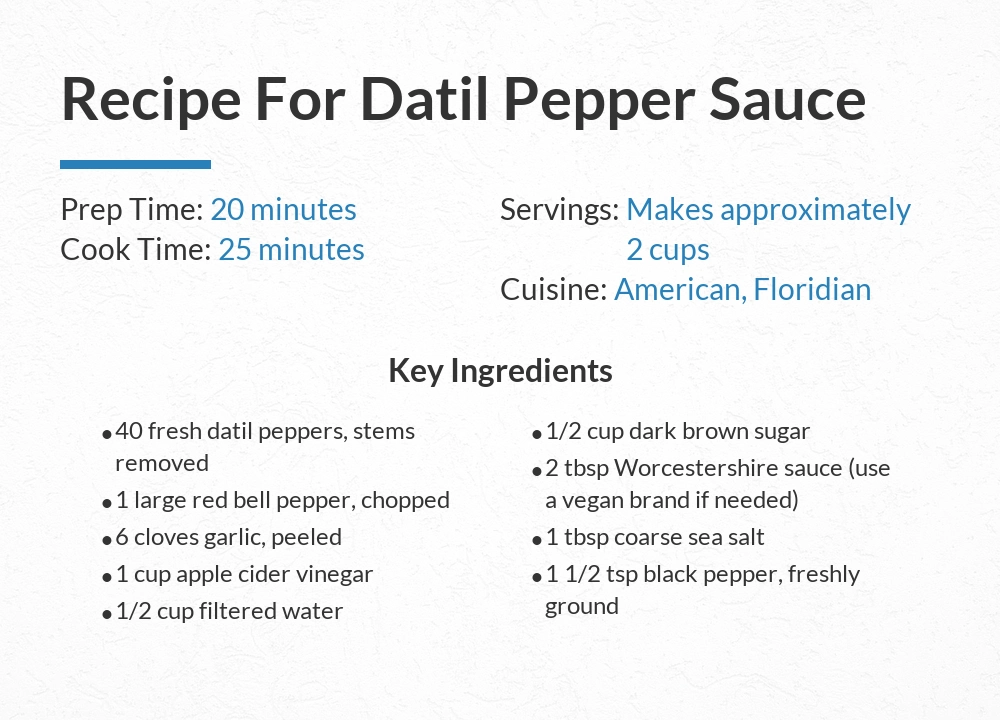
As an Amazon Associate, I may earn a small commission from qualifying purchases at no extra cost to you. This helps me create more valuable, tested content for you.
The distinct taste of datil pepper sauce first caught my attention during a visit to St. Augustine, Florida. A local chef used it as a baste for grilled fish, and the complex flavor—fiery yet sweet with a subtle fruitiness—completely changed my perspective on hot sauces. I knew immediately that I needed to learn how to create this condiment myself. After many trials in my own kitchen, I developed a reliable method for making a sauce that captures that authentic character.
This guide will walk you through the entire process, from selecting the best peppers to bottling your final product. You will gain the confidence to make a sauce that surpasses anything you can buy in a store. The recipe provided here is a foundation that you can adapt to your personal taste for heat and acidity.
How to Make Datil Pepper Sauce
This section contains the complete formula and steps for creating your own datil pepper sauce. Follow these instructions carefully for a consistent and flavorful result every time. The method involves simmering to develop depth and using a blender for a smooth texture.
Recipe Details
- Prep Time: 20 minutes
- Cook Time: 25 minutes
- Servings: Makes approximately 2 cups
- Course: Condiment
- Cuisine: American, Floridian
- Diet: Gluten-Free, Vegan
Ingredients
- 40 fresh datil peppers, stems removed
- 1 large red bell pepper, chopped
- 6 cloves garlic, peeled
- 1 cup apple cider vinegar
- 1/2 cup filtered water
- 1/2 cup dark brown sugar
- 2 tbsp Worcestershire sauce (use a vegan brand if needed)
- 1 tbsp coarse sea salt
- 1 1/2 tsp black pepper, freshly ground
- 1/2 tsp coriander seeds (optional)
- 1/4 tsp allspice (optional)
Instructions
- Prepare all peppers by washing them thoroughly. Wear gloves when handling the datil peppers to protect your skin from the oils.
- Roughly chop the red bell pepper. There is no need to finely dice it, as everything will be blended later.
- Combine the datil peppers, chopped bell pepper, garlic, apple cider vinegar, water, brown sugar, Worcestershire sauce, salt, black pepper, and optional spices in a medium saucepan.
- Place the saucepan over medium-high heat and bring the mixture to a boil.
- Once boiling, reduce the heat to low, cover the pan, and let it simmer for 20 minutes. The peppers should become very soft.
- Remove the pan from the heat and allow the mixture to cool for 10-15 minutes. This is important for safe blending.
- Carefully transfer the contents of the saucepan to a large blender. Secure the lid tightly.
- Blend on high speed until the mixture is completely smooth. This may take one to two minutes.
- For an extra-smooth consistency, you can strain the sauce through a fine-mesh sieve, pressing with a spoon.
- Using a funnel, pour the finished sauce into clean glass bottles or jars.
- Seal the containers and store them in the refrigerator. The sauce is ready to use immediately.
Nutrition
- Calories: 25 kcal
- Protein: 0.4 g
- Fat: 0.1 g
- Carbohydrates: 6 g
- Sugar: 5 g
- Fiber: 0.5 g
- Sodium: 290 mg
- Cholesterol: 0 mg
Cooking Method
The primary technique used here is a gentle simmer. This cooking method softens the fibrous pepper skins and allows the flavors of the garlic and spices to meld together. Simmering, as opposed to a rapid boil, helps to preserve the volatile compounds that give datil peppers their unique aroma. It also helps to dissolve the sugar and salt evenly throughout the liquid.
Tools Needed
- Medium saucepan (2-3 quart capacity)
- Chef’s knife and cutting board
- Measuring cups and spoons
- High-speed blender or food processor
- Fine-mesh sieve (optional, for straining)
- Funnel
- Glass bottles or jars with lids for storage
- Kitchen gloves (highly recommended)
Understanding the Core Ingredient: Datil Peppers
To make an exceptional sauce, you must first understand its star component. The datil pepper is not just another chili; it is a cultivar with a specific history and profile. Its characteristics directly influence the sauce’s final flavor, heat, and color.
Origin and History
The datil pepper is intrinsically linked to St. Augustine, Florida. Historical accounts suggest its origins may trace back to Spanish settlers or trade from the Caribbean. The pepper thrived in the local climate and became a staple in the region’s cuisine. For generations, families in and around St. Augustine have cultivated these peppers and guarded their prized sauce recipes.
Flavor and Heat Profile
Datil peppers possess a unique balance that sets them apart. Their heat level is comparable to a habanero, typically ranging from 100,000 to 300,000 Scoville Heat Units. However, the experience of the heat is often described as a gradual build rather than an immediate punch. More importantly, the flavor is complex, with distinct fruity and sweet notes reminiscent of citrus and apricot. This complexity is why a simple sauce can taste layered and sophisticated.
Sourcing and Substitutions
Finding fresh datil peppers can be a challenge outside of Florida. Your best options are specialty grocery stores, farmers’ markets in the Southeast, or online retailers that specialize in rare chili peppers. If you cannot find datil peppers, you can create a similar profile using a combination of habanero peppers for heat and Scotch bonnet peppers for fruitiness. The result will not be identical, but it will be a flavorful and fiery hot sauce in its own right.
Detailed Ingredient Analysis
Every component in this recipe serves a specific purpose, contributing to the sauce’s flavor, texture, acidity, and shelf life. Understanding the role of each allows you to make informed adjustments.
Datil Peppers
As the primary source of heat and flavor, the quantity of datil peppers determines the sauce’s intensity. Using about 40 peppers provides a robust heat that is noticeable but not overwhelming for most enthusiasts. The peppers’ natural sugars caramelize slightly during cooking, contributing to the sauce’s depth and slightly sweet finish.
Red Bell Pepper
The large red bell pepper is not merely a filler. It adds significant body and a subtle sweetness that tempers the fiery datil peppers. Its high pectin content also helps to thicken the sauce naturally, contributing to a desirable, pourable consistency without needing added thickeners.
Apple Cider Vinegar
Vinegar is crucial for both flavor and preservation. Apple cider vinegar is chosen for its mild acidity and fruity undertones, which complement the datil peppers. The acidity level, typically around 5%, creates an environment that inhibits microbial growth, allowing your homemade sauce to last for months in the refrigerator.
Garlic and Spices
Garlic provides a savory, aromatic base note that grounds the brighter flavors of the peppers and vinegar. The optional coriander and allspice are traditional in some St. Augustine recipes, adding a warm, slightly citrusy complexity. Black pepper introduces a different, earthy kind of heat that layers with the chili heat.
Nutritional Perspective on Homemade Hot Sauce
From a dietary standpoint, creating your own condiments gives you complete control over the ingredients. This datil pepper sauce is naturally low in calories and fat. The primary nutritional considerations are its sodium and sugar content, which you can adjust based on your dietary needs.
Capsaicin, the compound that makes chili peppers hot, has been studied for its potential metabolic and anti-inflammatory properties. The sauce also provides small amounts of vitamins A and C from the fresh peppers. Because you are using whole foods without artificial preservatives, this version is a cleaner alternative to many commercial hot sauces.
Adapting the Recipe for Specific Diets
This base recipe is already gluten-free and vegan, assuming you select a vegan Worcestershire sauce. However, you can make further modifications to suit other dietary preferences or restrictions.
Reducing Sodium
If you are monitoring your sodium intake, you can reduce the salt by half without drastically affecting preservation, provided the sauce is stored correctly in the fridge. The other strong flavors will help compensate for the reduced saltiness.
Managing Sugar Content
The brown sugar balances the acidity and heat. For a lower-sugar version, you can decrease the amount to 2 tablespoons or substitute with a granulated sugar alternative like erythritol. Be aware that this will make the vinegar’s tartness more pronounced.
Creating a Fermented Version
For a more complex, probiotic-rich sauce, you can ferment the chili peppers first. Replace the simmering step by submerging the chopped peppers and garlic in a 3-5% salt brine for 1-2 weeks. Then, blend the fermented peppers with the vinegar and other ingredients. This method develops a deeper, tangier flavor profile.
The Story Behind St. Augustine’s Signature Pepper
The datil pepper’s journey to becoming a Florida culinary icon is a story of adaptation and local pride. While its exact lineage is debated, it is widely accepted that the pepper found a perfect home in the sandy soil and warm climate of St. Augustine. It became a key ingredient in Minorcan cuisine, a cultural group within the region, and their traditional dishes like Minorcan clam chowder.
This sauce was not originally made for mass production. It was a home recipe, used to baste meats, spice up soups, and add a kick to everyday meals. The recipe I am sharing honors that tradition of a versatile, homemade condiment made with care and specific, fresh ingredients.
Avoiding Common Preparation Errors
Even with a straightforward recipe, small mistakes can affect the final product. Here are the most frequent issues and how to prevent them.
Inconsistent Heat Level
The heat of datil peppers can vary from one harvest to another. For a milder sauce, you can remove the seeds and inner membranes from half of the peppers before cooking. For more intense heat, add an extra 5 to 10 peppers. Always taste a small piece of a pepper first to gauge its potency.
Texture and Consistency Problems
A sauce that is too thin often results from not simmering it long enough to reduce. If your sauce is thin after blending, you can return it to the saucepan and simmer uncovered for an additional 5-10 minutes. If it is too thick, simply whisk in a tablespoon of extra vinegar or water at a time until it reaches your preferred consistency.
Vinegar Acidity Dominating the Flavor
If the vinegar taste is too sharp for your liking, it usually means the balance is off. Adding a small amount more of brown sugar or even a tablespoon of tomato paste can help round out the acidity and add an extra depth of flavor.
How to Use and Store Your Homemade Sauce
This datil pepper sauce is incredibly versatile. Its application extends far beyond being a simple table condiment.
Serving and Pairing Ideas
Use it as a marinade and basting sauce for chicken, beef, or shrimp during grilling. It adds a fantastic glaze and flavor. Stir a few drops into chowders, gumbos, or Creole dishes to enhance their complexity. It also works wonderfully drizzled over burgers, eggs, or even mixed into a Bloody Mary for a personalized kick.
Storage and Shelf Life
When stored in a sealed glass bottle in the refrigerator, this sauce will keep for at least 6 months. The high acidity from the vinegar acts as a natural preservative. Always use a clean spoon when serving to prevent contamination. For long-term storage at room temperature, the filled bottles must be processed in a boiling water canner for 15 minutes.
The Role of Acidity and Sugar in Preservation
The safety and longevity of this sauce rely on a balance between pH and water activity. The apple cider vinegar lowers the pH to a level where harmful bacteria cannot thrive. The sugar, while adding flavor, also binds with water molecules, further reducing the water activity available for microbial growth. This combination, along with the capsaicin from the peppers, creates a stable environment that allows the sauce to be safely stored for extended periods.
Frequently Asked Questions
What is datil pepper sauce?
Datil pepper sauce is a spicy condiment originating from St. Augustine, Florida. It is made primarily from datil peppers, which provide a unique heat and fruity flavor, combined with vinegar, garlic, and spices. It is used as a table sauce, marinade, or cooking ingredient.
How spicy is datil pepper sauce?
Datil pepper sauce is considered very spicy, with a heat level similar to habanero-based sauces. However, many people find the heat from datil peppers to have a smoother, more gradual build than other chilies in the same Scoville range, making it more manageable for some.
Can I substitute other peppers for datil peppers?
Yes, if datil peppers are unavailable, a combination of habanero and Scotch bonnet peppers is the closest substitute. Use equal parts by weight to approximate the heat and fruity flavor profile of the original datil peppers.
How long does homemade datil pepper sauce last?
When properly bottled and stored in the refrigerator, homemade datil pepper sauce will maintain its quality and safety for 6 to 8 months. Always check for any signs of spoilage, such as off odors, mold, or bubbling, before use.
Is this datil pepper sauce recipe vegan?
This specific recipe is vegan, provided you use a vegan-certified Worcestershire sauce. Traditional Worcestershire sauce contains anchovies, so checking the label is essential for a strictly plant-based diet.
What dishes pair well with datil pepper sauce?
This sauce is exceptionally versatile. It pairs beautifully with grilled meats like chicken and beef, seafood, eggs, and burgers. It can also be used as a secret ingredient in stews, chowders, and even as a base for a spicy salad dressing or cocktail sauce.
Can I make a milder version of this sauce?
Absolutely. To make a milder sauce, reduce the number of datil peppers and increase the proportion of red bell pepper. You can also carefully remove the seeds and white membranes from the datil peppers before cooking, as this is where a significant portion of the capsaicin is concentrated.
How do I achieve the right consistency for the sauce?
The ideal consistency is smooth and pourable, similar to a thin ketchup. Simmering the mixture adequately before blending is key. If the sauce is too thick after blending, whisk in a small amount of extra vinegar or water. If it is too thin, simmer it uncovered for a few more minutes to reduce.
What are the health benefits of datil peppers?
Like other chili peppers, datil peppers contain capsaicin, which is associated with potential metabolic and anti-inflammatory effects. They are also a good source of vitamins A and C, which are antioxidants that support immune function and vision health.
Where can I buy datil peppers?
Fresh datil peppers are most readily available in Florida, particularly around St. Augustine, at local farmers’ markets and some specialty grocers. Outside of Florida, your best options are online retailers that specialize in rare and exotic chili peppers. Some sellers also offer them dried or in seed form for home gardening.