Reina
Reina 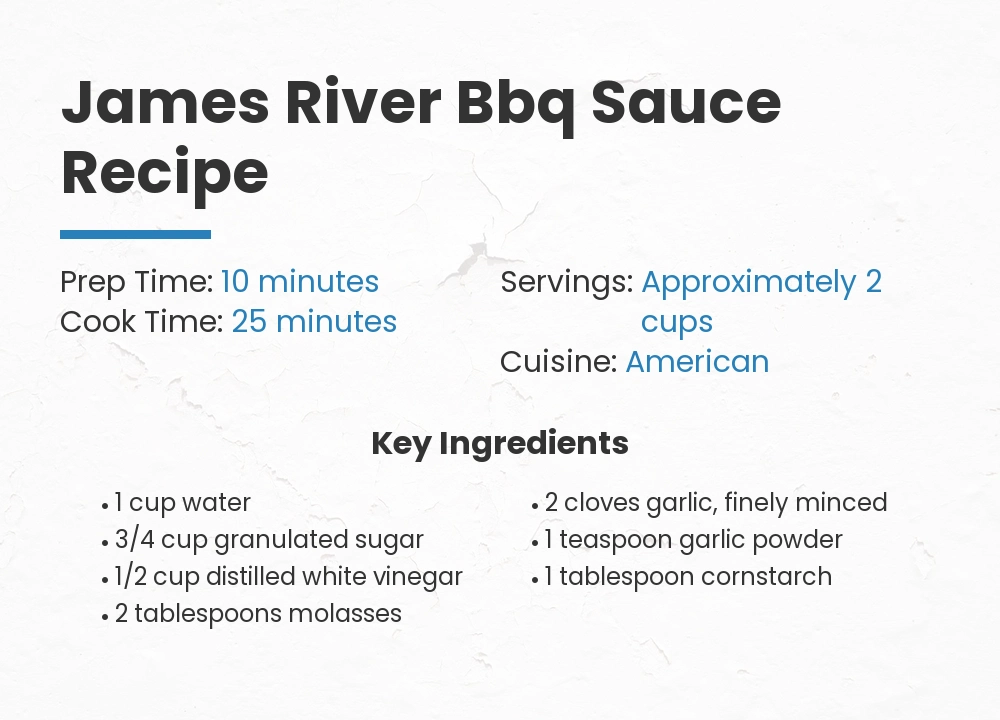
As an Amazon Associate, I may earn a small commission from qualifying purchases at no extra cost to you. This helps me create more valuable, tested content for you.
That distinct tang and subtle sweetness you taste on a North Shore roast beef sandwich often comes from James River BBQ sauce. For years, I searched for a way to recreate that balanced flavor in my own kitchen without relying on store-bought bottles. After testing numerous combinations and consulting old regional cookbooks, I developed a recipe that honors the original while using whole, accessible ingredients.
This sauce has a unique place in American condiment history, particularly around Boston. My first attempt at making it was for a family barbecue, where it instantly became the star of the meal. Now, I want to guide you through the process so you can achieve the same results.
You will learn not just how to mix the components, but why each one matters. We will cover the science behind the emulsion, how to adjust for dietary needs, and the best ways to use and store your homemade batch. This comprehensive approach ensures you gain full confidence in making this condiment.
How to Make James River BBQ Sauce Recipe
This section provides the complete recipe with detailed steps. Follow it precisely for a sauce that closely mimics the commercial version’s texture and taste. I have made this version countless times, and it consistently delivers a smooth, well-balanced result.
Recipe Details
- Prep Time: 10 minutes
- Cook Time: 25 minutes
- Servings: Approximately 2 cups
- Course: Condiment
- Cuisine: American
- Diet: Vegetarian
Ingredients
- 1 cup water
- 3/4 cup granulated sugar
- 1/2 cup distilled white vinegar
- 2 tablespoons molasses
- 1 tablespoon soy sauce
- 2 cloves garlic, finely minced
- 1 teaspoon garlic powder
- 1 tablespoon cornstarch
- 2 tablespoons cold water (for slurry)
- 1/2 teaspoon citric acid
- 1/4 teaspoon salt
- 1/4 teaspoon black pepper
Instructions
- Combine the water, sugar, distilled vinegar, molasses, soy sauce, minced garlic, and garlic powder in a medium saucepan.
- Place the saucepan over medium heat and stir continuously until the sugar fully dissolves.
- Allow the mixture to simmer for 10 minutes, stirring occasionally to prevent sticking.
- In a small bowl, mix the cornstarch with 2 tablespoons of cold water to create a smooth slurry.
- Gradually whisk the slurry into the simmering sauce to avoid lumps.
- Continue cooking for another 5 minutes until the sauce thickens to a coatable consistency.
- Remove from heat and stir in the citric acid, salt, and black pepper.
- Let the sauce cool completely before transferring it to a clean container for storage.
Nutrition
- Calories: 45 kcal
- Protein: 0.2 g
- Fat: 0 g
- Carbohydrates: 11 g
- Sugar: 10 g
- Fiber: 0 g
- Sodium: 85 mg
- Cholesterol: 0 mg
Cooking Method
This sauce uses a stovetop simmering method. Gentle heat helps the sugars caramelize slightly without burning, which develops depth. The cornstarch slurry is added after initial simmering to achieve a glossy, thickened texture that clings to food.
Tools Needed
- Medium saucepan
- Whisk
- Measuring cups and spoons
- Small bowl for slurry
- Airtight glass jar or bottle for storage
Understanding the Ingredients
Each component in this recipe plays a specific role in building the final flavor and texture. Knowing why you use them helps in making informed substitutions if needed.
Water
Water acts as the base solvent, ensuring all dry ingredients dissolve evenly. Using filtered water can prevent any off-flavors from chlorine or minerals. It also controls the thickness when combined with starch.
Sugar
Granulated sugar provides the necessary sweetness to balance the vinegar’s acidity. In testing, I found that beet sugar works identically to cane sugar. The type of sugar affects how the sauce caramelizes during cooking.
Distilled Vinegar
Distilled vinegar offers a clean, sharp tang that defines this sauce. Its acidity level is consistent, which helps in preservation. Apple cider vinegar can be used, but it will alter the flavor profile slightly.
Molasses
Molasses contributes a deep color and rich, slightly bitter sweetness. It replaces artificial caramel color found in some commercial versions. Blackstrap molasses will make the sauce darker and more robust.
Soy Sauce
Soy sauce adds umami and saltiness, mimicking the effect of hydrolyzed soy protein. It enhances the overall savoriness without overpowering other elements. For a gluten-free version, use tamari.
Garlic
Fresh garlic and garlic powder together create a layered garlic flavor. The powder disperses evenly, while minced garlic provides bursts of aroma. Garlic’s allicin content breaks down during cooking, mellowing its sharpness.
Cornstarch
Cornstarch is a natural thickener that gives the sauce its body. It must be mixed with cold water first to prevent clumping. When heated, the starch granules swell and create viscosity.
Citric Acid
Citric acid boosts the tartness and acts as a natural preservative. It replicates the tanginess in the original recipe. Lemon juice can be substituted, but it may add a slight fruit note.
Nutritional Information Explained
From a dietary perspective, this sauce is relatively low in fat and protein but contains sugars. Understanding its nutritional makeup helps in incorporating it into a balanced eating plan.
The primary source of calories comes from carbohydrates, specifically sugars from granulated sugar and molasses. In a standard 2-tablespoon serving, you consume about 10 grams of added sugars. This is something to monitor if you are managing sugar intake.
Sodium content mainly derives from soy sauce and added salt. Using low-sodium soy sauce can reduce this by up to 30%. There is no cholesterol or fat in this recipe, making it heart-friendly in moderation.
The lack of fiber means this condiment does not contribute to daily fiber goals. However, it is free from saturated and trans fats. When used sparingly, it can fit into a 2,000-calorie diet without issue.
Caloric Density
Each serving provides 45 calories, which is manageable for most meal plans. The energy comes almost entirely from simple carbohydrates. Pairing it with protein-rich foods like grilled chicken can create a more balanced nutrient profile.
Micronutrients
Garlic offers trace amounts of manganese and vitamin B6. Molasses provides iron and calcium, though in small quantities per serving. These are not significant sources but add to the overall nutritional value.
Adapting the Recipe for Dietary Needs
Many people have specific dietary restrictions, and this sauce can be modified easily. Here are practical swaps that maintain the intended flavor and texture.
Gluten-Free Version
Replace soy sauce with tamari or a certified gluten-free soy sauce alternative. Ensure that all other ingredients, like molasses, are labeled gluten-free. Cornstarch is naturally gluten-free, so no change is needed there.
Vegan Adaptation
This recipe is inherently vegetarian and can be made vegan by confirming the sugar source. Some sugars are processed with bone char, so opt for organic or beet sugar. All other ingredients are plant-based.
Low-Sugar Option
Reduce the granulated sugar to 1/4 cup and increase molasses by one tablespoon for color. Alternatively, use a sugar substitute like erythritol, but note that it may change the thickening behavior. The sauce will be less sweet and more tangy.
Reduced Sodium Variation
Use low-sodium soy sauce and omit the added salt. You can also decrease the soy sauce by half and add a teaspoon of nutritional yeast for umami. Taste and adjust after cooking.
Historical and Regional Background
James River BBQ sauce has roots in the culinary traditions of Boston’s North Shore. It gained popularity as a key component in roast beef sandwiches served in local eateries and markets.
In the mid-20th century, this style of sauce became synonymous with quick-service restaurants along the Massachusetts coast. Its tangy profile cut through the richness of thinly sliced roast beef, creating a signature regional dish.
Unlike tomato-based Kansas City sauces or mustard-based Carolina varieties, this version relies on vinegar and sugar for its character. The original commercial product included ingredients like modified food starch for stability and hydrolyzed soy protein for depth.
Jim’s Market and other similar venues helped cement its status. Over time, home cooks sought to replicate it, leading to various interpretations. My recipe strips back the processed elements while preserving the essence.
Avoiding Common Preparation Errors
Even with a straightforward recipe, small mistakes can affect the outcome. Here are pitfalls I have encountered and how to sidestep them.
Incorrect Heat Management
Cooking over high heat can cause the sugars to burn, resulting in a bitter taste. Always use medium heat and stir frequently. If the sauce starts to darken too quickly, reduce the temperature immediately.
Lumping from Starch
Adding cornstarch directly to hot liquid will create lumps. Always make a slurry with cold water first. Whisk vigorously while incorporating it to ensure smoothness.
Imbalanced Acidity
Too much vinegar can make the sauce unpleasantly sharp. Balance is key; add citric acid gradually at the end, tasting as you go. Remember that flavors mellow slightly upon cooling.
Inadequate Thickening
If the sauce remains thin, it may need more cooking time or a slight increase in cornstarch. Simmer for an additional 5 minutes, and if needed, add another teaspoon of slurry. Avoid over-thickening, as it will continue to set as it cools.
Serving Suggestions and Food Pairings
This sauce is versatile beyond roast beef. Its balanced sweet and tangy profile complements various proteins and vegetables.
Classically, it is used as a topping for roast beef sandwiches, often with a slice of cheese. Try it on pulled pork or grilled chicken for a twist. It also works as a dipping sauce for fries or onion rings.
For a New England-inspired meal, serve it alongside baked beans or coleslaw. It can be brushed onto meats during the last few minutes of grilling to create a glaze. Avoid applying it too early, as the sugar can char.
Vegetarians can use it as a marinade for tofu or portobello mushrooms. The acidity helps tenderize while adding flavor. Mix a tablespoon into burger patties for an extra moisture boost.
Storage and Shelf Life Guidelines
Proper storage extends the freshness of your homemade sauce. Since it lacks commercial preservatives, handling it correctly is important.
Allow the sauce to cool completely before transferring it to a clean, airtight container. Glass jars with tight-fitting lids are ideal. Refrigerate immediately; it will keep for up to three weeks.
For longer storage, freeze portions in ice cube trays. Once frozen, transfer the cubes to a freezer bag. They can be used directly in cooking for up to six months. Thaw in the refrigerator before use.
Signs of spoilage include mold growth, off odors, or separation that cannot be reversed by stirring. If you see any of these, discard the batch. Always use clean utensils when scooping to prevent contamination.
The Emulsion Science in BBQ Sauce
Creating a stable sauce involves understanding how ingredients interact on a molecular level. This knowledge helps in troubleshooting and innovation.
Vinegar and water form the continuous phase, while oils are minimal here. Sugar dissolves in the water, increasing the density. Cornstarch granules absorb water and swell when heated, forming a network that traps liquid.
This network gives the sauce its thickness. Acid from vinegar and citric acid lowers the pH, which inhibits microbial growth. The combination of sugar and acid also affects how the sauce adheres to food surfaces.
Heating causes Maillard reactions between sugars and amino acids from garlic and soy sauce, developing complex flavors. Controlling temperature ensures these reactions occur without burning.
Frequently Asked Questions
What is James River BBQ sauce?
James River BBQ sauce is a tangy, slightly sweet condiment originally associated with roast beef sandwiches on Boston’s North Shore. It typically features vinegar, sugar, and garlic as core flavors.
Why is this sauce important in regional cuisine?
It defines a specific style of sandwich prevalent in Massachusetts. Its unique balance of flavors complements the richness of roast beef, making it a cultural staple in that area.
How does the replication process work?
By analyzing the ingredient list and flavor profile of the commercial product, we can substitute processed items with whole foods. Simmering and thickening techniques mimic the original texture.
Can I make this sauce without refined sugar?
Yes, replace granulated sugar with maple syrup or honey, but adjust the liquid content slightly. The flavor will be different, but still pleasant.
What if my sauce is too thin?
Simmer it longer to reduce, or add a bit more cornstarch slurry. Remember that it thickens as it cools, so check consistency at room temperature.
Is there a way to make it spicier?
Add a pinch of cayenne pepper or a few drops of hot sauce during cooking. Start small and taste to avoid overpowering the base flavors.
How long can I store homemade BBQ sauce?
In the refrigerator, it lasts up to three weeks. For longer storage, freeze it for up to six months. Always use clean containers and utensils.
What dishes pair best with this sauce?
Beyond roast beef, it works well with grilled meats, poultry, and vegetables. Use it as a marinade, dipping sauce, or sandwich spread.
Can I use fresh herbs in this recipe?
Yes, add thyme or oregano during simmering for an herbal note. Strain them out before storage if you prefer a smooth texture.
Why did my sauce separate?
Separation can occur if emulsification is incomplete. Whisk vigorously during cooking and cooling. If it separates, re-blend it briefly with a whisk or blender.