Reina
Reina 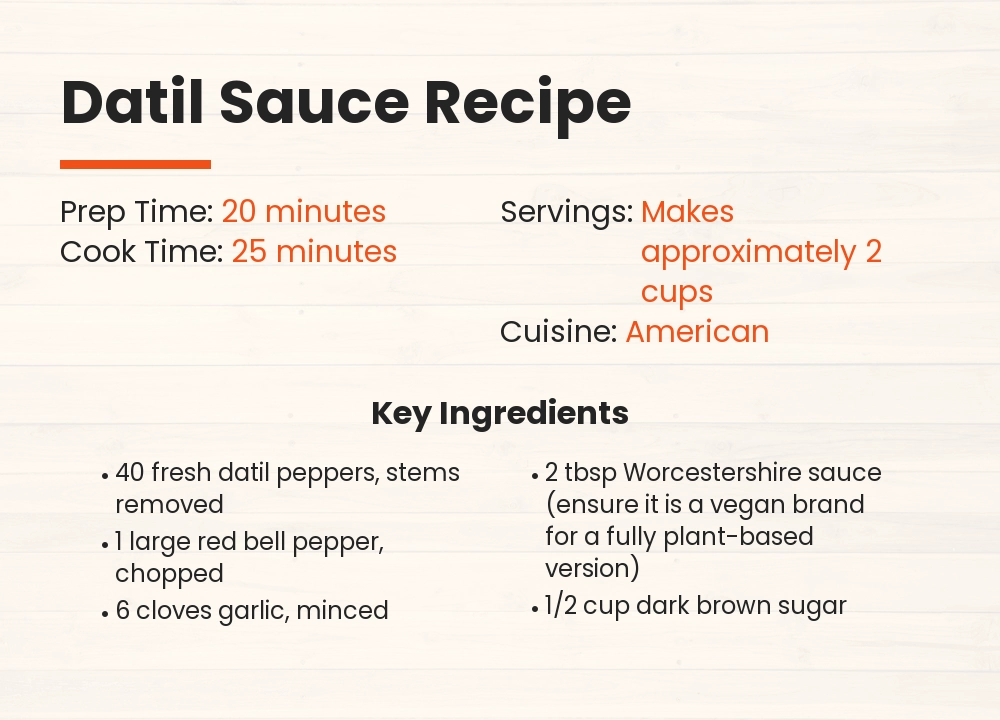
As an Amazon Associate, I may earn a small commission from qualifying purchases at no extra cost to you. This helps me create more valuable, tested content for you.
You stand in your kitchen, holding a vibrant datil pepper, its aroma hinting at the complex heat within. I remember a sweltering afternoon in St. Augustine, Florida, where I first tasted a locally made version of this sauce. Its unique balance of fiery punch and subtle sweetness transformed a simple grilled fish dish into something memorable. That experience sent me on a quest to recreate and understand this condiment, leading to the recipe I share with you now.
This guide will walk you through crafting your own datil pepper sauce from scratch. We will cover every step, from selecting the right peppers to bottling the final product. Beyond the method, we will explore the rich history and nutritional science behind this Florida original. You will learn how to adjust the heat level and adapt the recipe for various dietary needs. By the end, you will have a comprehensive understanding of how to make and use this versatile sauce.
How to Make Datil Sauce Recipe
This section provides the complete formula for creating a classic datil pepper hot sauce. Follow these steps precisely for a consistent, flavorful result. The process involves simmering to develop depth and blending for a smooth texture.
Recipe Details
- Prep Time: 20 minutes
- Cook Time: 25 minutes
- Servings: Makes approximately 2 cups
- Course: Condiment
- Cuisine: American
- Diet: Vegan
Ingredients
- 40 fresh datil peppers, stems removed
- 1 large red bell pepper, chopped
- 6 cloves garlic, minced
- 1 cup apple cider vinegar
- 1/2 cup filtered water
- 2 tbsp Worcestershire sauce (ensure it is a vegan brand for a fully plant-based version)
- 1/2 cup dark brown sugar
- 1 tbsp coarse sea salt
- 1 1/2 tsp black pepper, freshly ground
- 1/2 tsp ground allspice
- 1/2 tsp ground coriander
Instructions
- Prepare all your ingredients before you begin cooking. Wear gloves when handling the datil peppers to protect your skin from the capsaicin oils.
- Place a medium sauce pan over medium heat. Add the datil peppers, chopped red bell pepper, minced garlic, apple cider vinegar, and filtered water.
- Bring the mixture to a gentle boil, then reduce the heat to low. Allow it to simmer for 15-20 minutes, stirring occasionally, until the peppers have softened significantly.
- Carefully transfer the cooked pepper mixture into a large blender. Add the Worcestershire sauce, dark brown sugar, sea salt, black pepper, allspice, and coriander.
- Secure the blender lid tightly. Start blending on a low speed, then gradually increase to high. Blend for 1-2 minutes until the sauce is completely smooth and uniform.
- For a smoother consistency, you can strain the sauce through a fine-mesh sieve to remove any remaining seeds or pulp, though this is optional.
- While the sauce is still warm, use a funnel to pour it into clean, sterilized glass bottles. Seal the bottles tightly and allow them to cool to room temperature before storing.
Nutrition
- Calories: 30 kcal
- Protein: 0.6 g
- Fat: 0.2 g
- Carbohydrates: 7 g
- Sugar: 6 g
- Fiber: 0.7 g
- Sodium: 320 mg
- Cholesterol: 0 mg
These values are estimated per tablespoon serving. The primary contributors are the natural sugars from the peppers and brown sugar, with minimal fat content.
Cooking Method
This recipe uses a simmer-and-blend technique. Simmering the peppers in vinegar and water softens them, making them easier to puree. It also helps to mellow the raw heat of the chilies and allows the spices to infuse the liquid. Blending afterward creates the signature smooth, pourable texture of a finished hot sauce.
Tools Needed
- A medium-sized sauce pan with a lid
- A high-speed blender or food processor
- Cutting board and a sharp chef’s knife
- Kitchen gloves for handling hot peppers
- Measuring cups and spoons
- A funnel for transferring sauce into bottles
- Glass bottles or jars with airtight lids for storage
Understanding Datil Peppers
To master this sauce, you must first understand its star ingredient. The datil pepper is a unique chili variety with a dedicated following. Its characteristics define the sauce’s final profile.
Origin and Heat Profile
Datil peppers are closely associated with St. Augustine, Florida, where they have been cultivated for over a century. They are a cultivar of the species Capsicum chinense, which also includes habaneros and Scotch bonnets. On the Scoville scale, they typically range from 100,000 to 300,000 Scoville Heat Units. This places them in a similar heat category to a hot habanero, but many enthusiasts note a more complex, fruit-forward flavor behind the intense burn. The heat builds gradually rather than hitting immediately, which makes the sauce more manageable for a wider range of palates.
Flavor Notes and Aroma
When you bite into a fresh datil pepper, you will first notice a distinct citrusy and slightly sweet flavor. This is followed by the pronounced heat. The aroma is often described as fruity and floral, with hints of apricot or cherry. This complexity is why datil pepper sauce is more than just heat. It adds layers of flavor to dishes, functioning as both a spice and a seasoning agent. In the sauce, the red bell pepper contributes a sweet, earthy base that rounds out the datil’s sharpness.
The Role of Other Ingredients
Every component in this recipe serves a specific purpose. Altering one can change the sauce’s balance, acidity, or shelf life.
Vinegar and Acidity
Apple cider vinegar is the liquid base of this sauce. It provides the necessary acidity to preserve the sauce and prevent bacterial growth. The tangy flavor also cuts through the richness of fatty foods like burgers or grilled beef. You can experiment with other vinegars. White vinegar will yield a sharper, cleaner acidity, while malt vinegar will add a deeper, more robust flavor. The acidity level is crucial for safety and taste.
Sweeteners and Spices
Dark brown sugar is used here for its molasses content, which imparts a deeper flavor and a hint of caramel. It balances the intense heat and acidity, creating a more rounded profile. The Worcestershire sauce adds umami and complexity, though its flavor can be replicated with tamari for a gluten-free version. Spices like allspice and coriander are not traditional in all hot sauces, but they are common in St. Augustine-style recipes. They contribute an extra depth that evokes Creole and Southern culinary traditions.
Nutritional Science of Homemade Hot Sauce
Creating your own condiments allows you to control exactly what goes into your body. This datil sauce offers more than just flavor.
Capsaicin and Metabolism
The active component in chili peppers is capsaicin. Scientific studies suggest that capsaicin can have a thermogenic effect, slightly increasing your metabolic rate after consumption. It may also promote feelings of fullness. This does not make hot sauce a weight loss miracle, but it can be a supportive element in a balanced diet. The capsaicin in datil peppers is also linked to the release of endorphins, which can create a mild sense of well-being.
Vitamins and Antioxidants
Datil peppers and red bell peppers are excellent sources of Vitamin C, which acts as a powerful antioxidant. They also contain Vitamin A, primarily in the form of beta-carotene. The garlic provides allicin, a compound with noted anti-inflammatory properties. By making the sauce yourself, you preserve more of these heat-sensitive nutrients compared to heavily processed commercial options. The fiber content, though modest, comes from the pepper pulp.
Adapting the Recipe for Dietary Needs
This basic recipe is naturally vegan and gluten-free if you select your Worcestershire sauce carefully. However, you can make further adjustments.
Reducing Sodium and Sugar
For a lower-sodium version, you can reduce the coarse sea salt by half. The sauce will still be preserved by the vinegar, but its flavor will be less sharp. Be aware that salt enhances other flavors, so you may need to compensate with more spices. To lower the sugar content, replace the dark brown sugar with a granulated erythritol blend or simply use only one tablespoon of sugar. The sauce will be hotter and more vinegar-forward without the sweetness to balance it.
Alternative Pepper Options
If you cannot source fresh datil peppers, you can create a similar profile with a blend. Use two-thirds habanero peppers and one-third Scotch bonnet peppers to approximate the heat and fruitiness. Cayenne peppers will result in a sharper, more linear heat and lack the citrus notes. For a milder sauce, increase the proportion of red bell pepper and decrease the number of datil peppers. You could start with 20 datil peppers and work your way up.
Historical Context of Datil Pepper Sauce
The story of this sauce is intertwined with the history of a city. St. Augustine, Florida, is the epicenter of datil pepper cultivation in the United States.
While the exact origins are debated, one popular theory suggests the peppers were brought to the area by Minorcan settlers in the 18th century. These settlers had a history in the Mediterranean and may have acquired the peppers from other regions. The pepper thrived in the Floridian climate and became a staple in local kitchens. For generations, families in the area have used it to make a signature hot sauce, often passed down through word of mouth.
This sauce was not just for heat. It was a practical way to preserve the seasonal pepper harvest. The addition of vinegar and salt created a stable condiment that could last for months. It became a defining element of the local cuisine, used in everything from Minorcan chowders to grilling marinades. Understanding this history adds another layer of appreciation when you make your own batch.
Achieving the Perfect Consistency and Flavor
Many homemade hot sauces fail due to texture or an unbalanced flavor profile. These tips will help you avoid common errors.
Controlling the Thickness
The consistency of your sauce is determined during the blending stage. If your sauce is too thick after blending, you can thin it with a couple of tablespoons of extra vinegar or filtered water. Add it slowly while the blender is running. If the sauce is too thin, you can simmer it for an additional 5-10 minutes after blending to reduce and thicken it. Remember that the sauce will thicken slightly as it cools. Straining through a sieve will give you a very smooth, thin sauce, while leaving the pulp in will make it thicker and more rustic.
Balancing Heat, Sweet, and Sour
The holy trinity of a great hot sauce is the balance between heat, sweetness, and acidity. After blending, always taste your sauce. If it is too fiery, you can stir in a teaspoon of honey or more brown sugar to tame it. If it is too sweet, a splash of extra vinegar will correct it. If the vinegar taste is too sharp, a pinch more salt can help mellow it. Making these fine adjustments at the end ensures the final product suits your personal preference.
Storage and Longevity
Proper storage is critical for safety and for maintaining the sauce’s quality over time. This homemade condiment has a good shelf life if handled correctly.
Refrigeration and Shelf Life
Once bottled and cooled, your datil sauce must be stored in the refrigerator. The high acidity from the vinegar acts as a natural preservative. In the fridge, the sauce will keep for at least 3 to 6 months. Always use a clean spoon when serving to prevent contamination. You may notice some natural separation over time. This is normal. Simply shake the bottle well before each use to recombine the ingredients.
Processing for Pantry Storage
If you wish to store the sauce at room temperature for longer periods, you must process it in a water bath canner. After filling the sterilized bottles, leave 1/4 inch of headspace. Wipe the rims, place the lids on, and screw on the bands until fingertip-tight. Process the bottles in a boiling water bath for 10 minutes. This will create a vacuum seal, allowing the unopened sauce to be stored in a cool, dark pantry for up to a year. Once opened, it must be refrigerated.
Creative Uses for Your Homemade Sauce
This datil pepper sauce is incredibly versatile. It can elevate simple dishes and become a secret ingredient in more complex recipes.
As a Marinade and Basting Sauce
The combination of acid, sugar, and spice makes this sauce an excellent marinade for proteins. The acid helps tenderize meat, while the sugar promotes caramelization. Use it to marinate chicken, beef, or firm tofu for at least two hours before grilling or roasting. During cooking, you can brush it on as a basting sauce to build a flavorful, sticky glaze. Be careful not to burn the sugar by applying it too early over high heat.
In Soups, Stews, and Dressings
Stir a teaspoon or two into chowders, bean soups, or stews to add a layer of heat and complexity. It works wonderfully in a Bloody Mary mix, providing a more nuanced heat than standard cayenne pepper sauce. You can also whisk it into mayonnaise or Greek yogurt to create a spicy dip or sandwich spread. A few drops can even brighten up a vinaigrette for salads.
Frequently Asked Questions
What is a datil sauce recipe?
A datil sauce recipe is a set of instructions for creating a spicy condiment using datil peppers as the primary ingredient. It typically involves combining the peppers with vinegar, spices, and sometimes sweeteners, then cooking and blending them into a smooth sauce. The result is a uniquely Floridian hot sauce known for its fruity heat and versatility.
Why is this hot sauce recipe important?
This recipe is important because it preserves a regional culinary tradition and allows you to create a preservative-free condiment. Making it yourself gives you complete control over the heat level, sweetness, and ingredients used. It connects you to the food history of St. Augustine and provides a healthier alternative to many commercial hot sauces that contain artificial additives.
How does the cooking process work for this sauce?
The cooking process works by using heat to break down the fibrous structure of the peppers, making them easier to blend. Simmering the ingredients together allows the flavors to meld and the spices to infuse the liquid. The vinegar partially cooks the peppers while also creating an acidic environment that preserves the sauce and balances the capsaicin’s heat.
How long will this homemade sauce keep?
When stored in a sealed glass bottle in the refrigerator, this sauce will keep for 3 to 6 months. Its longevity is due to the high acidity from the vinegar, which inhibits microbial growth. Always check for any signs of spoilage, such as off odors, mold, or bulging lids, before use.
Can I use a different type of vinegar?
Yes, you can substitute the apple cider vinegar. White distilled vinegar will give a sharper, cleaner taste. Red wine vinegar will contribute a fruitier note. The key is to maintain a similar level of acidity for both flavor and preservation. Avoid mild vinegars like rice vinegar, as they may not provide enough acidity for safe storage.
What if I cannot find fresh datil peppers?
If fresh datil peppers are unavailable, you can use a combination of habanero and Scotch bonnet peppers to approximate the flavor and heat. You can also search for online specialty retailers that ship fresh or dried datil peppers. Using rehydrated dried peppers is an option, but you will need to adjust the added water in the recipe accordingly.
Is this sauce extremely spicy?
The sauce is quite spicy, similar to a habanero-based hot sauce. However, the sweetness from the sugar and bell pepper, along with the tang from the vinegar, helps balance the heat, making it more complex and manageable than a sauce made purely for Scoville units. You can control the final heat by adjusting the number of datil peppers you use.
What are the best dishes to pair with this sauce?
This sauce pairs excellently with grilled meats like chicken, beef burgers, and seafood. It can be drizzled over eggs, stirred into soups and chowders, or used as a dipping sauce for fried foods. Its versatility also makes it a great addition to marinades, glazes, and even cocktail sauces.