Reina
Reina 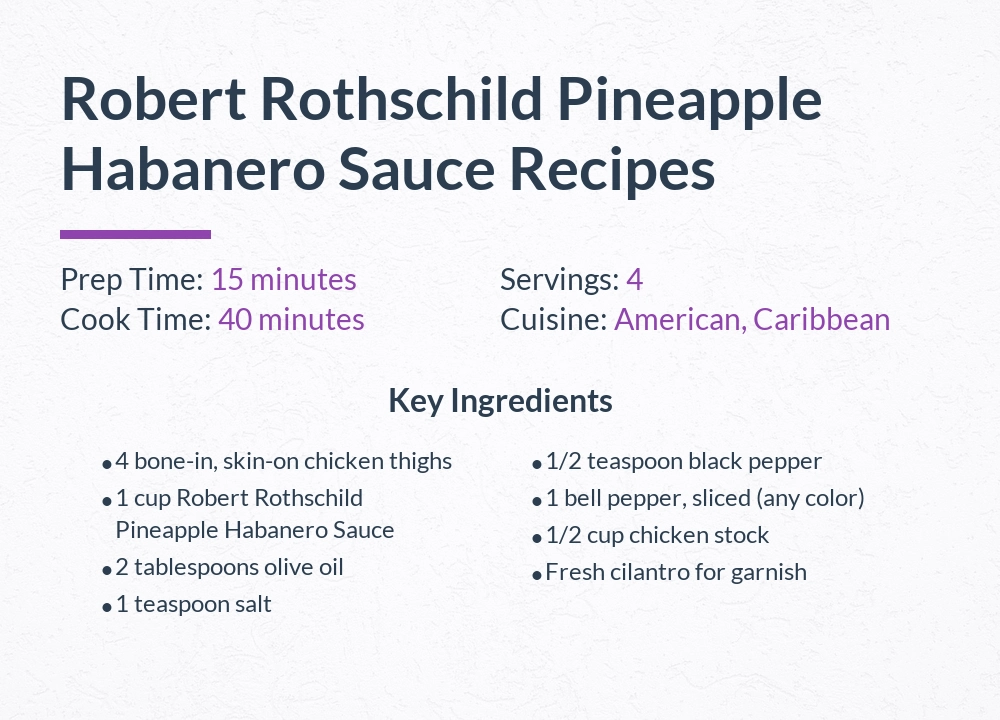
As an Amazon Associate, I may earn a small commission from qualifying purchases at no extra cost to you. This helps me create more valuable, tested content for you.
That moment when you open a bottle of Robert Rothschild Pineapple Habanero Sauce, the aroma of caramelized fruit and subtle heat fills your kitchen. It reminds me of summer gatherings where this sauce turned simple meals into memorable feasts. You might have picked up a bottle wondering how to use it beyond basic glazes. This guide will show you how to create dishes that highlight its complex flavors.
Robert Rothschild Pineapple Habanero Sauce recipes involve using this specific condiment to enhance proteins, grains, and vegetables. Its balance of sweet and spicy can transform everyday cooking. I have tested these methods in my own kitchen to ensure they deliver consistent results. Let me walk you through the process from start to finish.
How to Make Robert Rothschild Pineapple Habanero Sauce Recipes
This section provides a detailed recipe for Oven-Roasted Chicken Thighs, a classic dish that pairs perfectly with the sauce. The method ensures juicy meat with a flavorful crust. Follow these steps for a reliable outcome every time.
Recipe Details
- Prep Time: 15 minutes
- Cook Time: 40 minutes
- Servings: 4
- Course: Main Course
- Cuisine: American, Caribbean
- Diet: Gluten-Free
Ingredients
- 4 bone-in, skin-on chicken thighs
- 1 cup Robert Rothschild Pineapple Habanero Sauce
- 2 tablespoons olive oil
- 1 teaspoon salt
- 1/2 teaspoon black pepper
- 1 bell pepper, sliced (any color)
- 1/2 cup chicken stock
- Fresh cilantro for garnish
Instructions
- Preheat your oven to 400°F (200°C). This temperature allows for even cooking and browning.
- Pat the chicken thighs dry with paper towels. Rub them with olive oil, salt, and black pepper.
- Place the chicken in a single layer in an enamel cast iron casserole dish or baking pan.
- Arrange the sliced bell pepper around the chicken. Pour the chicken stock into the dish to add moisture.
- Bake for 30 minutes, then remove from the oven. Brush the chicken generously with the Pineapple Habanero Sauce.
- Return to the oven and broil on high for 5-10 minutes until the sauce caramelizes and the skin is crispy.
- Check the internal temperature of the chicken reaches 165°F (74°C). Let it rest for 5 minutes before serving.
- Garnish with fresh cilantro and serve immediately.
Nutrition
- Calories: 350 kcal
- Protein: 25 g
- Fat: 15 g
- Carbohydrates: 20 g
- Sugar: 10 g
- Fiber: 2 g
- Sodium: 500 mg
- Cholesterol: 80 mg
Cooking Method
This recipe uses a combination of baking and broiling. Baking cooks the chicken thoroughly while keeping it tender. Broiling at the end creates a caramelized finish on the sauce. This method locks in flavors without drying out the meat.
Tools Needed
- Enamel cast iron casserole dish or heavy baking pan
- Mixing bowls
- Basting brush
- Meat thermometer
- Knife and cutting board
Understanding the Ingredients
Each component in this recipe plays a role in the final dish. Knowing their attributes helps you make informed substitutions. I will break down the key elements based on my experience with them.
Pineapple
Pineapple adds natural sweetness and acidity to the sauce. It contains bromelain, an enzyme that tenderizes proteins like chicken. This is why marinating with pineapple-based sauces can improve texture. Fresh or canned pineapple works, but the sauce already incorporates these qualities.
In Robert Rothschild sauce, the pineapple is roasted to enhance its caramel notes. This deepens the flavor profile beyond simple sweetness. You can taste hints of tropical fruit that complement spicy elements.
Habanero Peppers
Habanero peppers provide a sharp, fruity heat that builds gradually. They range from 100,000 to 350,000 Scoville units, making them hotter than jalapeños. The sauce balances this with sweetness to avoid overwhelming the palate.
When cooking with habanero, the capsaicin interacts with fats in the chicken. This distributes the heat evenly throughout the dish. Always handle habaneros with care to avoid skin irritation.
Chicken Thighs
Chicken thighs are preferred for their higher fat content compared to breasts. This keeps them moist during longer cooking times. Bone-in, skin-on thighs develop a richer flavor and crispier texture.
The dark meat absorbs the sauce well, creating a juicy result. If you use boneless thighs, reduce the cooking time by 5-10 minutes to prevent dryness.
Nutritional Insights
As a dietician, I analyze how each ingredient contributes to the meal’s health profile. This recipe offers a balance of macronutrients with moderate calories. Let me explain the nutritional dynamics at play.
Health Benefits
Pineapple provides vitamin C and manganese, which support immune function and bone health. Habanero peppers contain capsaicin, linked to metabolism boosting and pain relief. Chicken thighs supply protein for muscle repair and iron for energy.
The sauce’s sugar content comes from natural fruit sources, but it is still advisable to monitor portions. Using it as a glaze rather than a base keeps added sugars in check. This makes the dish suitable for balanced eating plans.
Caloric Breakdown
Each serving contains approximately 350 calories, with 25 grams of protein. This macronutrient ratio supports satiety and energy levels. The fats are primarily unsaturated from olive oil and chicken skin.
Carbohydrates come from the sauce and vegetables, providing quick energy. The fiber from bell peppers aids digestion. Adjust sides like rice or salads to meet your dietary needs.
Dietary Modifications
Many readers have specific dietary requirements. This recipe can be adapted without losing its core flavors. Here are practical swaps I have tested in my kitchen.
Gluten-Free Options
Robert Rothschild Pineapple Habanero Sauce is naturally gluten-free. Always check labels for any changes in formulation. Use tamari or coconut aminos if substituting other sauces in variations.
For thickeners, cornstarch or arrowroot powder works well instead of flour. Ensure all packaged ingredients like chicken stock are certified gluten-free.
Vegan Variations
Replace chicken with firm tofu or tempeh. Marinate them in the sauce for at least an hour before baking. Use vegetable stock instead of chicken stock to maintain moisture.
For a vegan casserole, add chickpeas or lentils as protein sources. The pineapple habanero sauce pairs well with plant-based ingredients, adding depth to simple vegetables.
Historical and Cultural Background
Pineapple and habanero combinations have roots in Caribbean and Latin American cuisines. These regions use sweet and spicy profiles to enhance meats and rice dishes. Robert Rothschild sauce draws inspiration from these traditions.
Caribbean Influences
In Caribbean cooking, pineapple symbolizes hospitality and abundance. Habanero peppers are native to the Amazon but spread through trade. Dishes like jerk chicken often feature similar flavor balances.
This sauce modernizes classic elements for American kitchens. It allows home cooks to access complex tastes without sourcing rare ingredients. The fusion appeals to diverse palates.
Common Pitfalls and Solutions
Even experienced cooks can encounter issues with this recipe. I have compiled tips to help you avoid common mistakes. These insights come from repeated testing and feedback.
Avoiding Overcooking
Chicken thighs can dry out if cooked too long. Use a meat thermometer to ensure they reach 165°F (74°C) without exceeding it. The broiling step should be brief to prevent burning the sauce.
If the sauce thickens too much, add a splash of chicken stock or water. This maintains a glaze-like consistency without becoming sticky.
Balancing Heat and Sweetness
If the habanero heat is too intense, mix the sauce with apricot or peach preserves. This adds sweetness without diluting flavor. For more heat, add a dash of hot sauce or crushed red pepper.
Always taste the sauce before applying it. Adjust ratios based on your tolerance and the dish’s other components.
Serving Suggestions and Pairings
This sauce versatile enough for various meals. I often use it beyond chicken to create complete dinners. Here are some pairings that work well in practice.
With Chicken Dishes
Serve the roasted chicken thighs with coconut rice or Caribbean raisin rice. The sweetness complements the spicy notes. A side of steamed vegetables like broccoli or green beans adds color and nutrients.
For leftovers, shred the chicken and use it in salads or wraps. The sauce keeps it moist and flavorful for next-day meals.
As a Dipping Sauce
Thin the sauce with lime juice or yogurt for a dip. It pairs excellently with vegetable egg rolls, coconut shrimp, or air fryer chicken wings. This makes it ideal for appetizers or party snacks.
You can also use it as a pizza sauce base. Top with cheese, pepperoni, and caramelized pineapple for a tropical twist.
The Science Behind the Flavor
Understanding the chemical interactions can improve your cooking. Key elements like bromelain and capsaicin play roles in texture and taste. Let me explain how they work in this context.
How Bromelain Works
Bromelain in pineapple breaks down protein structures. This enzymatic action tenderizes chicken, making it more succulent. Heat deactivates bromelain, so marinating time should be limited to 30 minutes to avoid mushiness.
In the sauce, roasting pineapple reduces bromelain activity, focusing on flavor development. This is why the sauce adds tenderness without over-softening the meat.
Capsaicin and Heat Levels
Capsaicin in habanero binds to pain receptors in the mouth, creating a burning sensation. Fats in chicken and oils help dissolve capsaicin, distributing heat evenly. Sweet components like pineapple counteract this by triggering pleasure receptors.
This balance makes the sauce approachable for various spice tolerances. Adjusting the amount used can tailor the heat to your preference.
Frequently Asked Questions
What is Robert Rothschild Pineapple Habanero Sauce recipes?
These are dishes that use Robert Rothschild Pineapple Habanero Sauce as a key ingredient. It is a condiment with sweet and spicy notes, ideal for glazes, marinades, and dips. Recipes often feature chicken, casseroles, or appetizers.
Why is Robert Rothschild Pineapple Habanero Sauce recipes important?
They offer a convenient way to add complex flavors to home cooking. The sauce combines tropical fruitiness with controlled heat, reducing the need for multiple ingredients. It saves time while delivering restaurant-quality results.
How does Robert Rothschild Pineapple Habanero Sauce recipes work?
The sauce acts as a flavor enhancer and tenderizer. Its acidity and sweetness caramelize during cooking, creating a glossy finish. It bonds with proteins and vegetables, infusing them with balanced taste profiles.
Can I use this sauce for vegetarian dishes?
Yes, it works well with tofu, tempeh, or roasted vegetables. The sweet and spicy elements complement plant-based proteins. Adjust cooking times to prevent burning on delicate items.
How long can I store dishes made with this sauce?
Cooked dishes can be refrigerated in airtight containers for up to 3 days. Reheat gently to maintain texture. The sauce itself has a long shelf life but check the bottle for expiration dates.
What if the sauce is too spicy for my family?
Mix it with cream cheese, Greek yogurt, or coconut milk to mellow the heat. Start with a small amount and increase gradually. Serving with dairy-based sides can also counteract spiciness.
Are there low-sugar versions of this recipe?
Use a sugar-free apricot sauce or reduce the amount of Pineapple Habanero Sauce. Add more acid like lime juice to balance flavors. Be mindful of the sauce’s inherent sugar content when portioning.
Can I make this in an air fryer?
Yes, air fryer chicken wings or thighs cook well with this sauce. Apply the sauce after cooking to avoid burning. Set the air fryer to 375°F (190°C) for 15-20 minutes, shaking halfway.
What other Robert Rothschild sauces can I combine with this?
Try mixing with Cherry Pomegranate Habanero Sauce for a fruitier profile. Or blend with their raspberry sauce for a sweeter glaze. Experiment with small batches to find your preferred combination.
How do I prevent the sauce from sticking to the pan?
Use a well-seasoned cast iron or non-stick baking dish. Lightly oil the surface before adding ingredients. Basting during cooking keeps the sauce from drying and adhering too tightly.