Reina
Reina 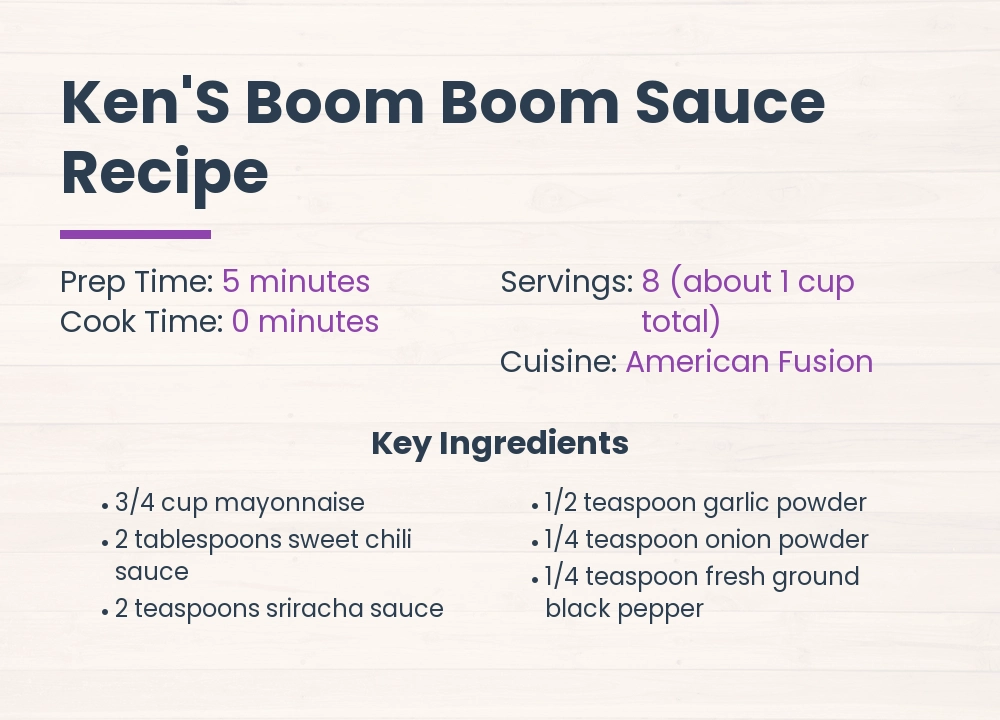
As an Amazon Associate, I may earn a small commission from qualifying purchases at no extra cost to you. This helps me create more valuable, tested content for you.
You might have tasted that signature sauce at a restaurant and wondered how to bring its magic into your kitchen. I faced the same challenge after a meal where Boom Boom Sauce elevated simple fried chicken into an unforgettable dish. This recipe replicates that experience, allowing you to create a consistent, high-quality version at home.
My initial attempts involved tweaking ratios and ingredients until the flavor matched my memory. Now, I guide you through each step, ensuring you avoid common missteps. This article covers everything from the sauce’s composition to its nutritional profile and storage methods.
By the end, you will understand why this condiment has gained such a dedicated following. We start with the core method to get you making it immediately, then explore the finer details that make it stand out.
How to Make Ken’s Boom Boom Sauce Recipe
This section provides the foundational recipe. Follow these steps for a reliable result every time. The process is straightforward, but precision in measurements ensures the ideal balance of sweet and spicy notes.
Recipe Details
- Prep Time: 5 minutes
- Cook Time: 0 minutes
- Servings: 8 (about 1 cup total)
- Course: Condiment, Sauce
- Cuisine: American Fusion
- Diet: Vegetarian
Ingredients
- 3/4 cup mayonnaise
- 2 tablespoons sweet chili sauce
- 2 teaspoons sriracha sauce
- 1/2 teaspoon garlic powder
- 1/4 teaspoon onion powder
- 1/4 teaspoon fresh ground black pepper
Instructions
- Gather all ingredients and ensure they are at room temperature for easy mixing.
- In a small bowl, add the mayonnaise as the base component.
- Incorporate the sweet chili sauce, sriracha, garlic powder, onion powder, and black pepper.
- Use a whisk or fork to blend everything until the mixture is smooth and uniform in color.
- Taste a small amount to check if the spice level suits your preference. Adjust with more sriracha for heat or sweet chili for sweetness.
- Transfer the finished sauce to an airtight container. Refrigerate it for at least 30 minutes before use to let the flavors integrate fully.
Nutrition
- Calories: 150 kcal
- Protein: 0.5 g
- Fat: 15 g
- Carbohydrates: 3 g
- Sugar: 2 g
- Fiber: 0 g
- Sodium: 200 mg
- Cholesterol: 10 mg
Cooking Method
This is a no-cook preparation that relies on emulsification and ingredient synergy. The method involves mechanical mixing to combine oils, acids, and solids into a stable suspension. No heat application is necessary, which preserves the raw flavors of components like garlic and chili.
Tools Needed
- Small mixing bowl: Choose one with a non-slip base for stability during whisking.
- Whisk or fork: A whisk incorporates air for lightness, while a fork works for thicker consistencies.
- Airtight container: Essential for storage to prevent oxidation and flavor loss.
- Measuring spoons and cups: Accuracy is key for replicating the intended taste profile.
Defining Boom Boom Sauce
Boom Boom Sauce is a creamy, piquant condiment with a mayonnaise foundation. It typically includes sweet chili sauce for sweetness and sriracha for heat, creating a versatile dip or dressing. Its name likely derives from the “boom” of flavor it adds to dishes, though its exact origins are informal.
This sauce falls under the category of American fusion condiments, borrowing elements from Asian and Western cuisines. It is not tied to a specific region but has gained popularity through chain restaurants and home cooks. The texture is smooth and spreadable, making it suitable for various applications.
Compared to similar sauces like bang bang or comeback sauce, it emphasizes a sharper spice note balanced by subtle sweetness. Understanding its components helps in customizing it to personal taste without losing its core identity.
Historical Background
The sauce’s history is rooted in mid-20th century American casual dining. It evolved from simple mayonnaise-based dips that incorporated global influences as ingredient availability increased. Brands like Ken’s helped commercialize it, but home versions have always been prevalent.
Early iterations might have used ketchup or hot sauce, but modern recipes refined it with specific chili sauces. This evolution reflects broader trends in condiment development, where convenience and bold flavors drive innovation. Today, it represents a blend of accessibility and gourmet appeal.
Ingredient Examination
Each component in this recipe plays a critical role in flavor, texture, and stability. Selecting high-quality versions of these ingredients can significantly enhance the final product. Let’s break down why each one matters and how alternatives might perform.
Mayonnaise
Mayonnaise serves as the emulsion base, providing richness and a smooth mouthfeel. It consists of oil, egg yolk, and an acid like vinegar or lemon juice. The oil type affects the sauce’s flavor; soybean oil is common, but avocado oil adds a milder note.
In terms of texture, mayonnaise’s viscosity helps bind other ingredients without separation. If the sauce feels too thick, a teaspoon of water or lemon juice can thin it. For dietary needs, vegan mayonnaise made from aquafaba or soy works equally well.
Sweet Chili Sauce
This ingredient introduces sweetness and a mild fruitiness from red chilies. It typically contains sugar, vinegar, garlic, and chili peppers. The sauce’s thickness comes from starch thickeners, which contribute to the overall consistency.
When selecting sweet chili sauce, check the sugar content if managing intake. Some brands use high-fructose corn syrup, while others opt for cane sugar. For a less sweet version, reduce the amount or use a sugar-free alternative.
Sriracha and Heat Elements
Sriracha adds a garlic-forward heat that is less vinegary than other hot sauces. Its capsaicin content from chili peppers provides the spicy kick, which can be adjusted by varying the quantity. Cayenne pepper or crushed red pepper can substitute for a different heat profile.
The Scoville scale rating for sriracha is around 1,000-2,500 units, making it moderately spicy. This level allows it to complement rather than overpower other flavors. Always add heat incrementally to avoid making the sauce too intense for your palate.
Spices and Flavor Enhancers
Garlic powder and onion powder contribute dehydrated, concentrated flavors that blend seamlessly into the sauce. They lack the moisture of fresh variants, which prevents dilution. Black pepper adds a subtle pungency and earthiness.
These spices should be fresh for optimal potency; old powders can taste stale. If you prefer fresh ingredients, mince garlic and onion finely, but note that this may shorten the sauce’s shelf life due to higher water content.
Nutritional Evaluation
From a dietary perspective, this sauce is energy-dense due to its fat and sugar content. A typical serving contains about 150 calories, primarily from mayonnaise’s oil and sweet chili sauce’s sugars. This makes it a condiment to use in moderation within a balanced diet.
The fat content is mostly unsaturated if using oils like canola or olive oil-based mayonnaise. However, saturated fats may be present depending on the brand. Sodium levels come from sauces and spices, so low-sodium options can reduce this if needed.
Macronutrient Breakdown
Fats constitute the majority of the calories, providing about 90% of the total in a standard serving. Carbohydrates are minimal, with sugars making up most of them. Protein is negligible, as the ingredients are not significant sources.
For those monitoring intake, the sauce can fit into various dietary patterns if portions are controlled. Its role is to enhance flavor rather than provide substantial nutrition. Pairing it with protein-rich foods like grilled chicken can create a more balanced meal.
Health Considerations
The sauce’s high calorie and fat density means it should be used sparingly if weight management is a goal. However, its ingredients contain no trans fats if homemade with quality components. The chili elements may offer minor metabolic benefits due to capsaicin.
Individuals with hypertension should note the sodium content and consider reducing salt-containing ingredients. The absence of fiber means it does not contribute to digestive health, but it also lacks allergens if base ingredients are chosen carefully.
Adapting for Dietary Needs
This recipe is highly adaptable to accommodate various dietary restrictions. Simple swaps can make it vegan, low-sugar, or gluten-free without compromising the core flavor profile. Always check labels on packaged ingredients to ensure they meet your requirements.
Vegan and Dairy-Free Version
Replace regular mayonnaise with a plant-based alternative made from soy, pea protein, or avocado oil. Many commercial vegan mayonnaises have similar textures and flavors. Ensure that sweet chili sauce and sriracha do not contain hidden animal products like fish sauce.
The resulting sauce will have a comparable consistency and taste. It may vary slightly depending on the mayonnaise brand, so taste and adjust seasonings after mixing. This version is suitable for those avoiding dairy or eggs.
Low-Sugar and Gluten-Free Options
For reduced sugar, use a sugar-free sweet chili sauce or make your own with stevia or erythritol. Alternatively, increase the proportion of spices and sriracha to balance the sweetness reduction. This adjustment helps maintain the sweet-spicy dynamic.
Gluten-free adaptations involve verifying that all sauces are certified gluten-free, as some thickeners may contain gluten. Most mainstream brands of mayonnaise and chili sauces are inherently gluten-free, but double-check for cross-contamination warnings.
Avoiding Common Errors
Many first-time makers encounter issues that affect the sauce’s quality. Over-mixing can incorporate too much air, leading to a foamy texture. Instead, stir gently until just combined to keep it creamy.
Using ingredients straight from the refrigerator can cause separation. Bring them to room temperature before blending to ensure a smooth emulsion. If the sauce breaks, whisk in a teaspoon of warm water to recombine.
Storing in a non-airtight container allows odors from the fridge to permeate the sauce. Always use a sealed jar or plastic container. If the sauce becomes too thick after chilling, stir in a few drops of lemon juice or vinegar to loosen it.
Expert Recommendations
For a deeper flavor, let the sauce rest overnight in the refrigerator. This resting period allows the spices to hydrate and the flavors to marry fully. Taste again before serving and adjust salt or acid if necessary.
When scaling the recipe, maintain the same ratios to preserve the balance. Doubling or halving amounts works well if measurements are precise. For a smokier note, add a pinch of smoked paprika or use chipotle sriracha.
If you prefer a thinner consistency for drizzling, incorporate a tablespoon of buttermilk or yogurt. This addition also adds a tangy note that complements the existing flavors. Avoid adding too much liquid to prevent dilution.
Serving and Pairing Ideas
This sauce excels as a dip for fried foods like chicken tenders, onion rings, or sweet potato fries. Its creamy texture and bold flavor cut through the richness of fried items. It also works as a spread on burgers, sandwiches, or wraps.
For proteins, try it with grilled chicken, beef skewers, or fish tacos. The sauce’s acidity and spice enhance the meat’s natural flavors without masking them. It can even be drizzled over roasted vegetables for a flavor boost.
In salads, use it as a dressing by thinning it with a bit of vinegar or oil. It pairs well with crunchy vegetables like cabbage or carrots. Experiment with different cuisines; it adds a fusion twist to Asian-inspired dishes like spring rolls or rice bowls.
Storage Guidelines
Store the sauce in an airtight container in the refrigerator for up to one week. The high acidity from vinegar-based ingredients helps preserve it, but dairy-free versions may last longer. Do not leave it at room temperature for extended periods to avoid bacterial growth.
For longer storage, freezing is not recommended due to potential separation upon thawing. If you make a large batch, divide it into smaller portions to use as needed. Always use clean utensils to scoop out the sauce to prevent contamination.
The Science of Flavor Balance
This sauce demonstrates the principle of flavor layering, where sweet, spicy, salty, and umami elements interact. The mayonnaise provides fat that coats the palate, allowing other flavors to emerge slowly. Sweet chili sauce adds sugar that counteracts the heat from sriracha.
Capsaicin in chilies binds to receptors in the mouth, creating a burning sensation that sugar and fat can mitigate. Garlic and onion powders contribute sulfur compounds that enhance savory notes. Understanding these interactions helps in adjusting the recipe to personal preference.
The emulsion stability comes from the lecithin in egg yolks (in traditional mayonnaise), which acts as an emulsifier. In vegan versions, plant-based emulsifiers like mustard or soy lecithin achieve a similar effect. This science ensures the sauce remains homogenous.
Frequently Asked Questions
What is Ken’s Boom Boom Sauce recipe?
It is a homemade version of the popular condiment, featuring mayonnaise, sweet chili sauce, sriracha, and spices. This copycat formula aims to replicate the commercial product’s taste using accessible ingredients.
Why is this recipe important?
Making it at home allows control over ingredients, enabling adjustments for dietary needs and freshness. It is cost-effective compared to buying pre-made versions and can be customized to exact taste preferences.
How does the recipe work?
The method relies on emulsification to blend oil-based and water-based components into a stable sauce. Ingredients are chosen for their complementary flavors, creating a balanced sweet and spicy profile through simple mixing.
Can I make it less spicy?
Yes, reduce or omit the sriracha and increase the sweet chili sauce proportion. You can also add a teaspoon of honey or ketchup to mellow the heat without losing complexity.
What dishes pair best with this sauce?
It complements fried chicken, burgers, tacos, and vegetable dips. Its versatility means it can enhance any dish that benefits from a creamy, tangy condiment with a kick.
How long does it last in the fridge?
When stored properly in an airtight container, it remains fresh for up to 7 days. Signs of spoilage include off odors, separation that cannot be reversed, or mold growth.
Is it possible to make a large batch for events?
Absolutely, multiply the ingredients evenly and mix in a larger bowl. Ensure thorough blending and store in multiple containers to maintain quality. Serve it chilled for best texture.
Are there low-calorie alternatives?
Use light mayonnaise or Greek yogurt as a base to reduce calories. Adjust other ingredients to maintain flavor balance, and consider adding herbs like dill for extra freshness.