Reina
Reina 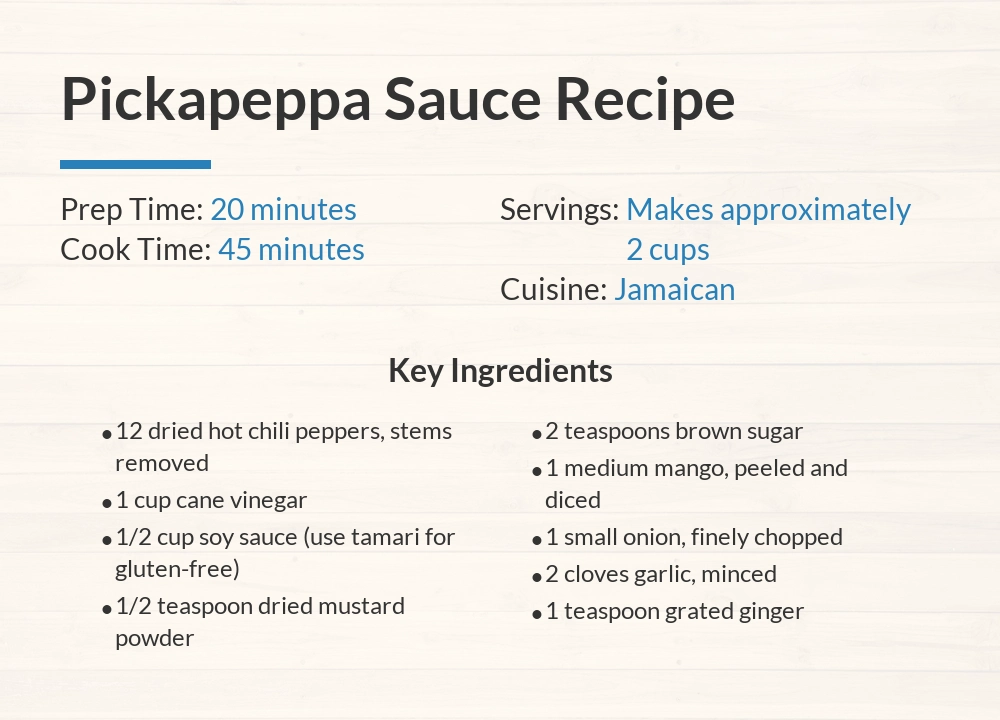
As an Amazon Associate, I may earn a small commission from qualifying purchases at no extra cost to you. This helps me create more valuable, tested content for you.
There is a bottle in my kitchen that has traveled with me through moves and meals, its label faded from use. It holds a sauce that transforms simple dishes into memorable experiences. When I first tasted Pickapeppa Sauce on a trip to Jamaica, the complex flavor stuck with me. I knew I had to learn how to make it myself.
This recipe for homemade Pickapeppa Sauce captures the essence of the original condiment. It balances sweet, spicy, and tangy notes using accessible ingredients. You can create a versatile sauce for marinades, glazes, or direct use. Let me guide you through the process I developed after many trials.
Making your own version allows control over ingredients and heat levels. You will appreciate the depth of flavor from slow simmering and proper ingredient selection. This condiment can elevate chicken, fish, or even a basic burger with minimal effort.
How to Make Pickapeppa Sauce Recipe
This section provides the complete method for crafting your own Pickapeppa-style sauce. Follow these steps to achieve a balanced and aromatic result. The recipe is designed for home kitchens with standard equipment.
Recipe Details
- Prep Time: 20 minutes
- Cook Time: 45 minutes
- Servings: Makes approximately 2 cups
- Course: Condiment
- Cuisine: Jamaican
- Diet: Vegan, Gluten-Free
Ingredients
- 12 dried hot chili peppers, stems removed
- 1 cup cane vinegar
- 1/2 cup soy sauce (use tamari for gluten-free)
- 1/2 teaspoon dried mustard powder
- 3 tablespoons lime juice, freshly squeezed
- 2 teaspoons brown sugar
- 1 medium mango, peeled and diced
- 1 small onion, finely chopped
- 2 cloves garlic, minced
- 1 teaspoon grated ginger
- 1/2 teaspoon allspice berries
- 1/4 teaspoon black pepper
Instructions
- Place the dried chili peppers in a small bowl. Cover with hot water and let soak for 10 minutes to soften. Drain and set aside.
- Combine cane vinegar, soy sauce, dried mustard, lime juice, and brown sugar in a medium saucepan. Whisk until the sugar dissolves.
- Add the soaked chili peppers, diced mango, onion, garlic, ginger, allspice, and black pepper to the saucepan.
- Bring the mixture to a boil over medium heat, then reduce to a simmer. Cook uncovered for 30-40 minutes, stirring occasionally, until the mango and onions are soft and the liquid reduces slightly.
- Remove from heat and let cool for 10 minutes. Transfer to a blender and puree until smooth. For a chunkier texture, blend briefly or use an immersion blender.
- Strain the sauce through a fine-mesh sieve if a smoother consistency is desired. Press with a spoon to extract all liquid.
- Pour the finished sauce into a clean bottle or jar. Seal and store in the refrigerator for at least a week to allow flavors to meld.
Nutrition
- Calories: 15 kcal
- Protein: 0.5 g
- Fat: 0 g
- Carbohydrates: 3 g
- Sugar: 2 g
- Fiber: 0.5 g
- Sodium: 150 mg
- Cholesterol: 0 mg
Cooking Method
This sauce uses a stovetop simmering technique to develop depth. The slow cooking process allows ingredients to break down and merge. Gentle heat prevents burning while concentrating flavors.
Simmering helps infuse the vinegar and spices into the fruit and vegetables. It creates a thick, syrupy texture without added thickeners. Stirring occasionally ensures even cooking and prevents sticking.
Tools Needed
- Medium saucepan
- Blender or immersion blender
- Fine-mesh sieve (optional)
- Measuring cups and spoons
- Cutting board and knife
- Glass bottle or jar for storage
The Origins of Pickapeppa Sauce
Pickapeppa Sauce has a history dating back to 1921 in Jamaica. It was created by Norman Nash and produced in Shooters Hill, Manchester. The sauce quickly became a staple in Jamaican households and beyond.
The original formula used local ingredients like cane vinegar and tropical fruits. It was aged in oak barrels to develop its characteristic flavor. This process gave it a unique position among condiments.
Over time, the company expanded its product line to include variations. These include spicy mango and jerk marinade versions. Each maintains the core profile while introducing new elements.
Understanding Key Ingredients
Each component in this recipe contributes to the final taste and texture. Selecting quality ingredients ensures an authentic result. Here is a breakdown of the primary elements.
Cane Vinegar
Cane vinegar is made from fermented sugarcane juice. It has a mild acidity compared to other vinegars. This allows it to blend without overpowering other flavors.
Its slight sweetness complements the brown sugar and mango. If unavailable, apple cider vinegar can substitute. The flavor will be tangier but still effective.
Dried Hot Chili Peppers
Chilies provide the gentle heat characteristic of this sauce. Using dried peppers intensifies the spice and adds depth. Soaking them before use rehydrates and reduces bitterness.
Common varieties include bird’s eye or scotch bonnet for authenticity. Adjust the number of peppers to control heat level. Removing seeds lowers spiciness if preferred.
Mango
Mango contributes natural sweetness and fruitiness. It balances the vinegar and chili heat. Ripe mangoes mash easily and integrate well during cooking.
This fruit is rich in vitamins A and C, adding nutritional value. In variations, other fruits like tamarind can be used. The texture should be soft after simmering.
Soy Sauce and Mustard
Soy sauce adds umami and saltiness to the profile. It deepens the color and enhances overall savoriness. Mustard powder provides a subtle sharpness and complexity.
These ingredients work together to create a layered taste. For gluten-free needs, tamari is an excellent alternative. The mustard should be dried for best integration.
Nutritional Perspective
As a condiment, this sauce adds flavor without excessive calories. It contains no fat and minimal sugar from natural sources. The ingredients offer several health benefits when used in moderation.
Chili peppers contain capsaicin, which may support metabolism. Mango provides dietary fiber and antioxidants. Vinegar can aid digestion and blood sugar regulation.
The sodium content comes primarily from soy sauce. Using low-sodium versions reduces this if needed. Overall, it is a healthier alternative to many commercial sauces.
Adapting for Dietary Needs
This recipe is naturally vegan and can be gluten-free. However, specific adjustments can cater to various diets. Here are practical modifications.
Low-Sodium Version
Replace soy sauce with coconut aminos or reduced-sodium tamari. This lowers the salt content while maintaining flavor. Adjust other seasonings to compensate if necessary.
Sugar-Free Option
Omit brown sugar and use a natural sweetener like stevia. Alternatively, rely solely on the mango’s sweetness. The sauce may be less syrupy but still flavorful.
Allergy Considerations
For those with soy allergies, use liquid aminos or a salt-based alternative. Mustard can be omitted if there is sensitivity. The sauce will still have a robust character.
Avoiding Common Errors
Many home cooks encounter issues when making this sauce. Awareness of potential mistakes leads to better outcomes. Here are tips from my experience.
Do not rush the simmering process. Low heat allows flavors to develop fully. Boiling can cause bitterness and uneven texture.
Ensure all ingredients are finely chopped or blended. Large pieces may not break down properly. This affects the sauce’s consistency and integration.
Taste and adjust seasoning after cooling. Flavors change as the sauce rests. Add more lime juice or sugar if needed before bottling.
Serving and Pairing Ideas
This sauce is incredibly versatile in the kitchen. Use it as a marinade for chicken or fish before grilling. It adds a tangy crust that enhances the protein.
Drizzle over burgers or chicken nuggets for an instant upgrade. Mix into barbecue sauces for extra complexity. It pairs well with rice dishes or as a dip for appetizers.
In cocktails, a small amount can add depth to savory drinks. Combine with lime juice and simple syrup for a unique mixer. Always start with a small quantity and adjust to taste.
Storage and Shelf Life
Store the sauce in a sealed glass bottle in the refrigerator. It typically lasts for up to three months. The acidity from vinegar acts as a natural preservative.
For longer storage, ensure utensils are clean when handling. Avoid introducing moisture or contaminants. The flavor may intensify over time, which some prefer.
If mold appears or the smell changes, discard immediately. Properly made and stored sauce should remain stable. Shake well before each use as separation can occur.
The Flavor Development Process
The science behind this sauce involves Maillard reaction and acid-base balance. Simmering causes sugars in mango and onion to caramelize. This creates deeper flavors and darker color.
Vinegar’s acidity balances the sweetness and spice. It also helps preserve the sauce by lowering pH. Understanding these interactions can help you tweak the recipe to your liking.
Frequently Asked Questions
What is Pickapeppa Sauce recipe?
It is a method for making a Jamaican-style condiment similar to the commercial Pickapeppa Sauce. The recipe typically includes chili peppers, vinegar, mango, and spices. It results in a tangy, slightly sweet sauce used for marinades or toppings.
Why is Pickapeppa Sauce recipe important?
This recipe allows you to create a versatile condiment at home with control over ingredients. It avoids additives found in some commercial products. Homemade versions can be customized for heat level and dietary needs.
How does Pickapeppa Sauce recipe work?
The process involves simmering ingredients to blend flavors and achieve a thick consistency. Cooking breaks down fruits and vegetables, while vinegar and spices infuse. Blending and straining ensure a smooth texture suitable for various uses.
Can I make this sauce less spicy?
Yes, reduce the number of chili peppers or remove seeds before use. Substitute with milder peppers like anaheim. The sauce will still have flavor from other ingredients without intense heat.
What can I use instead of cane vinegar?
Apple cider vinegar is the best substitute due to its mild acidity. White wine vinegar can also work. Avoid distilled white vinegar as it may be too harsh for this application.
How long does homemade Pickapeppa Sauce last?
When stored properly in the refrigerator, it can last up to three months. Ensure the bottle is sealed tightly. Freezing is not recommended as it can alter texture.
Is this sauce suitable for canning?
Due to the low pH from vinegar, it can be processed in a water bath canner. Follow safe canning procedures to prevent spoilage. However, refrigeration is sufficient for most home uses.
Can I use fresh chili peppers instead of dried?
Yes, but adjust the quantity as fresh peppers are less concentrated. Use about twice the amount of fresh peppers. The flavor profile will be slightly different but still acceptable.