Reina
Reina 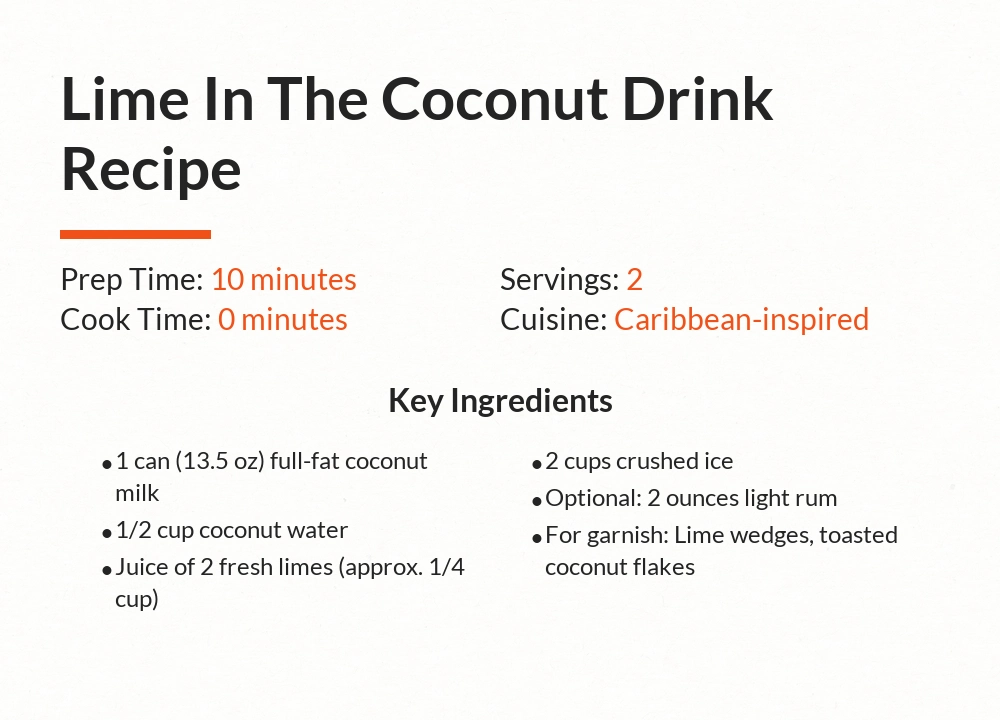
As an Amazon Associate, I may earn a small commission from qualifying purchases at no extra cost to you. This helps me create more valuable, tested content for you.
The first time I tasted a properly made lime in the coconut drink was on a humid afternoon that felt like the air itself was sweating. A friend handed me a frosty glass, condensation already forming on its sides, and the first sip was a revelation—a perfect balance of tart and creamy that cut through the heat instantly. That memory is why I spent years perfecting this recipe in my own kitchen, testing every variable to understand what makes it work.
This guide provides the definitive method for creating this iconic beverage, along with the deep knowledge you need to master it. You will learn not just how to mix the ingredients, but why each component is essential, how to adjust it for any diet, and the science behind its refreshing appeal.
How to Make lime in the coconut drink recipe
This section contains the complete recipe. Follow these steps for a consistently perfect result. The instructions are designed for clarity and repeatability.
Recipe Details
- Prep Time: 10 minutes
- Cook Time: 0 minutes
- Servings: 2
- Course: Beverage
- Cuisine: Caribbean-inspired
- Diet: Gluten-Free, Vegetarian
Ingredients
- 1 can (13.5 oz) full-fat coconut milk
- 1/2 cup coconut water
- Juice of 2 fresh limes (approx. 1/4 cup)
- 2 tablespoons coconut sugar or agave syrup
- 2 cups crushed ice
- Optional: 2 ounces light rum
- For garnish: Lime wedges, toasted coconut flakes
Instructions
- Chill two highball glasses in the freezer for at least 10 minutes before you begin.
- Add the coconut milk, coconut water, fresh lime juice, and your chosen sweetener to a high-speed blender.
- Secure the lid and blend on high for 15 seconds until the mixture is smooth and fully combined.
- Add the crushed ice to the blender. Pulse several times until the drink reaches a slushy, consistent texture.
- If including alcohol, pour the rum into the chilled glasses first. Then, divide the blended mixture between the two glasses.
- Garnish with a fresh lime wedge on the rim and a sprinkle of toasted coconut flakes. Serve immediately with a straw.
Nutrition
- Calories: 210 kcal
- Protein: 2 g
- Fat: 18 g
- Carbohydrates: 12 g
- Sugar: 8 g
- Fiber: 1 g
- Sodium: 45 mg
- Cholesterol: 0 mg
Cooking Method
The primary method for this drink is cold blending. This technique emulsifies the coconut fat with the acidic lime juice, creating a stable and creamy texture without any heat application. It also rapidly chills the ingredients while aerating the mixture for a lighter mouthfeel.
Tools Needed
- High-speed blender
- Measuring cups and spoons
- Juicer or reamer for limes
- Knife and cutting board
- Tall serving glasses
Choosing Your Core Components
The flavor and texture of your drink depend entirely on the quality and type of ingredients you select. A poor choice in one element can throw off the entire balance.
Coconut Milk and Its Alternatives
Not all coconut products are the same. Full-fat canned coconut milk provides a rich, creamy base because it contains a high percentage of coconut flesh and fat. The fat solids are essential for creating a luxurious texture that stands up to the acidity of the lime.
Lite coconut milk has a higher water content and will produce a thinner, less satisfying drink. Cream of coconut, like Coco Lopez, is pre-sweetened and very thick, making it better for ultra-sweet cocktail applications but too heavy for this balanced recipe.
Coconut water adds a clear, slightly sweet electrolyte-rich liquid that lightens the drink. Using it in combination with coconut milk gives you the best of both worlds: creaminess and hydration.
The Role of Fresh Lime
The type of lime you use matters. Persian limes, the most common variety in supermarkets, have a straightforward, bright acidity. Key limes are smaller, more aromatic, and have a sharper, more complex tartness.
For this recipe, I recommend Persian limes for their consistent juice yield and balanced flavor. Always juice limes at room temperature to maximize yield, and strain the juice to avoid any bitter pith or seeds in your final drink.
Sweetening the Blend
Coconut sugar offers a deep, caramel-like flavor with a lower glycemic index than white sugar. Agave syrup dissolves instantly in cold liquids and provides a neutral sweetness. Honey can be used, but its distinct flavor may overpower the delicate coconut notes.
The amount of sweetener is not just about taste; it directly counters the sharpness of the citric acid. Without enough sweetness, the drink will be unpleasantly sour. With too much, you mask the fresh flavors.
Nutritional Value and Health Impact
From a dietary perspective, this beverage offers more than just refreshment. Understanding its nutritional profile helps you integrate it into a balanced eating pattern.
Macronutrient Breakdown
The primary source of calories in this drink is the fat from coconut milk. These are medium-chain triglycerides (MCTs), which some studies suggest are metabolized differently than other fats, potentially providing a quick source of energy.
The carbohydrate content comes mainly from the natural sugars in the coconut water and the added sweetener. The lime juice contributes minimal carbs but a significant amount of vitamin C and antioxidants.
There is a small amount of plant-based protein from the coconut, but this is not a significant source. The drink is naturally cholesterol-free and very low in sodium, making it a heart-friendly option when consumed in moderation.
Dietary Fiber and Hydration
While not a high-fiber drink, the small amount present comes from the coconut flesh in the milk. Coconut water is renowned for its electrolyte content, including potassium, which aids in rehydration.
This makes the non-alcoholic version an excellent post-workout recovery drink, far superior to many commercial sports drinks that are loaded with artificial colors and high-fructose corn syrup.
Modifying the Recipe for Your Needs
This recipe is highly adaptable. Whether you avoid alcohol, follow a specific diet, or have different taste preferences, you can easily customize it.
Creating a Non-Alcoholic Version
To make a version without rum, simply omit it. The drink is just as satisfying. For an extra layer of complexity, add a splash of club soda to introduce a fizzy texture, or muddle a few mint leaves in the glass before adding the blend.
This adaptation makes it suitable for all ages and occasions, from a family barbecue to a child’s birthday party. The core flavors of coconut and lime are compelling enough on their own.
Vegan and Dairy-Free Assurance
The standard recipe is already vegan and dairy-free, as it relies entirely on plant-based coconut products. Always check the labels on your sweeteners to ensure they are processed in a vegan-friendly facility, as some sugars use bone char in refining.
For a creamier vegan version, you could substitute a portion of the coconut milk with a dollop of chilled canned coconut cream. This will elevate the richness without compromising the dietary parameters.
Low-Sugar and Keto Adjustments
Reducing the sugar content is straightforward. You can cut the sweetener in half or eliminate it entirely if you enjoy a very tart profile. Alternatively, use a liquid stevia extract or monk fruit sweetener that adds no carbohydrates.
For a ketogenic diet, ensure you are using full-fat coconut milk and unsweetened coconut water. Calculate the net carbs to fit your daily macros, which will be primarily from the lime juice.
Origins and Cultural Significance
While the exact origin of the “lime in the coconut” drink is murky, its roots are firmly planted in Caribbean and tropical beverage culture. It draws inspiration from traditional Brazilian lemonade, which uses whole limes blended with sugar and water.
The combination of coconut and lime is a cornerstone of many tropical cuisines. It appears in dishes from Thailand to the islands of the Caribbean. This drink is a direct descendant of that flavor pairing, popularized in Western culture through tiki bars and vacation resorts.
Its name is often associated with the 1971 Harry Nilsson song “Coconut,” which cemented the phrase in popular culture. The drink itself embodies the relaxed, festive spirit that the song conveys.
Avoiding Common Preparation Errors
After making this drink countless times, I have identified the most frequent mistakes that can undermine your results. Avoiding these will guarantee a better outcome.
Texture and Consistency Issues
Using room temperature ingredients will result in a watery, lukewarm drink. Always ensure your coconut milk, coconut water, and limes are thoroughly chilled before blending. The ice must be crushed, not cubed, to incorporate smoothly and create a slushy consistency.
Over-blending can incorporate too much air and cause the mixture to separate quickly. Pulse the blender just until the ice is processed. Under-blending will leave chunks of ice and an uneven texture.
Flavor Imbalance
The most common flaw is an overly sour or overly sweet drink. The ratio of lime juice to sweetener is critical. Always taste your limes first; their acidity can vary seasonally.
Start with the recipe’s measurements, then adjust to your preference. Add sweetener in small increments, blending briefly after each addition, until the balance is perfect for your palate.
Presentation and Longevity
How you serve and store this drink impacts the overall experience. A few simple techniques can elevate it from a simple blend to a memorable presentation.
Serving and Pairing Suggestions
Serve the drink immediately after blending in chilled glasses. A salted or sugar-rimmed glass adds a nice touch. For a garnish, a fresh lime wedge and toasted coconut flakes provide visual appeal and a textural contrast.
This beverage pairs exceptionally well with spicy foods, as the fat in the coconut milk helps soothe the palate. Think grilled shrimp with a chili rub, jerk chicken, or a fresh mango salsa. The cool, creamy drink acts as a perfect counterpoint to heat and spice.
Storage and Make-Ahead Tips
This drink is best consumed immediately. The emulsion of coconut milk and lime juice will begin to separate if left to sit. If you must prepare components ahead of time, you can mix the coconut milk, coconut water, lime juice, and sweetener and store it in a sealed bottle in the refrigerator for up to 24 hours.
When ready to serve, give the mixture a vigorous shake and then blend it with fresh crushed ice. Do not freeze the pre-mixed base, as this will alter the texture and may cause the ingredients to separate upon thawing.
The Chemistry of Coconut and Citrus
The success of this drink hinges on a basic kitchen chemical reaction. Coconut milk is an oil-in-water emulsion, stabilized by the proteins and emulsifiers present in the coconut flesh.
When you add the highly acidic lime juice, it can cause this emulsion to break, leading to curdling. However, the high-speed action of the blender and the presence of the cold fat from the chilled coconut milk help to create a temporary, stable homogenization.
The sugar and ice further support this structure. The sweetener reduces the perceived acidity, making it more palatable, while the ice crystals help keep the fat solids suspended during the brief serving window.
Frequently Asked Questions
What is the difference between coconut milk and coconut cream?
Coconut milk is a diluted blend of coconut flesh and water, typically found in cans. Coconut cream is made from the first pressing of the coconut flesh, containing a much higher fat content and less water. It is much thicker and richer.
Can I make this drink without a blender?
Yes, but the texture will be different. Vigorously shake the coconut milk, coconut water, lime juice, and sweetener with ice in a cocktail shaker. Strain it into a glass filled with fresh crushed ice. It will be a liquid drink rather than a slushy one.
How can I make a lower-calorie version?
Use light coconut milk or increase the ratio of coconut water to coconut milk. Replace the sugar with a zero-calorie sweetener like stevia. This can reduce the calorie count by nearly half.
Why did my drink separate after blending?
Separation occurs if the ingredients were not cold enough, if it was over-blended, or if it was left to sit too long. The emulsion is temporary. Always serve immediately after blending for the best consistency.
Is this the same as a Brazilian Lemonade?
They are similar but distinct. A traditional Brazilian Lemonade, or “limonada,” is made by blending whole limes (peel and all) with water and sugar, then straining. This recipe uses only the juice and incorporates coconut, giving it a creamier profile.
Can I use bottled lime juice?
I do not recommend it. Bottled lime juice often contains preservatives and lacks the bright, fresh flavor of freshly squeezed juice. The subtle aromatic oils from the fresh lime zest are also missing, which are crucial for the full flavor experience.
What type of rum works best?
A light, white rum like Bacardi is standard as it doesn’t overpower the coconut and lime. For a more complex flavor, a golden rum or even a coconut-flavored rum can be used, but adjust the added sweetener accordingly as flavored rums are often sweetened.