Reina
Reina 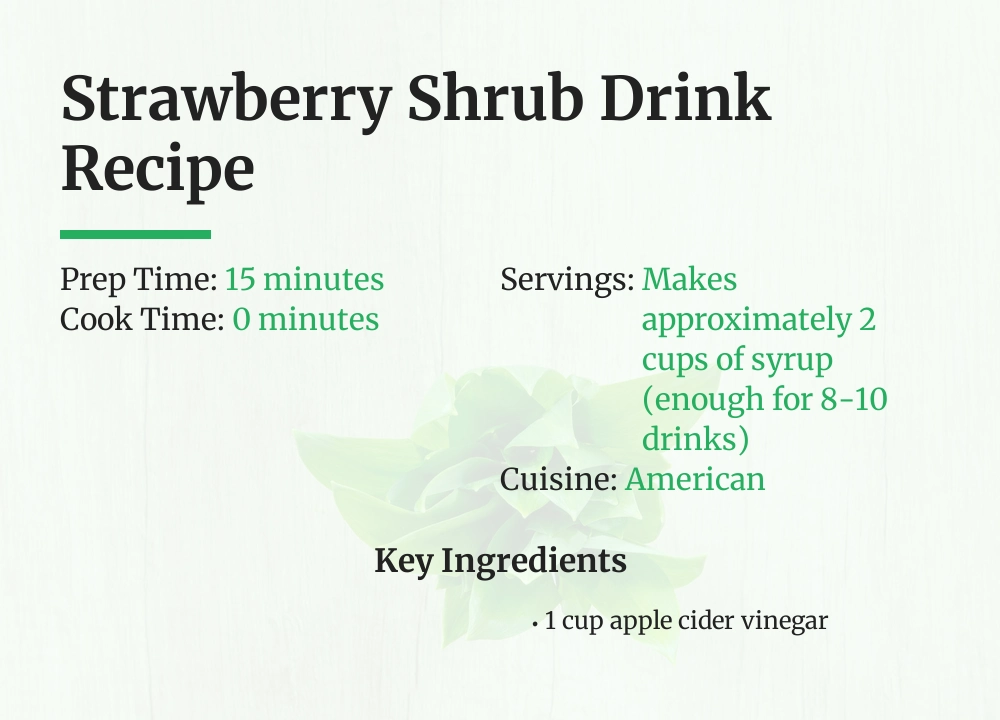
As an Amazon Associate, I may earn a small commission from qualifying purchases at no extra cost to you. This helps me create more valuable, tested content for you.
The first time I tasted a strawberry shrub, it was at a summer farmers’ market in the Midwest. A local vendor had bottles of this ruby-red elixir displayed next to baskets of ripe berries. The tart, sweet, and invigorating flavor was unlike any other beverage I had experienced. It was both familiar and entirely new.
This encounter sparked a years-long passion for crafting these historical drinks at home. A strawberry shrub combines macerated fruit, sugar, and vinegar into a concentrated syrup. This syrup is then mixed with water or sparkling water to create a uniquely refreshing drink.
Beyond its delightful taste, this preparation method is a practical way to preserve the essence of seasonal fruit. The following guide will walk you through creating your own strawberry shrub from scratch. You will learn the precise steps, the science behind the ingredients, and how to customize it to your palate.
How to Make strawberry shrub drink recipe
This foundational recipe uses a cold-process method, which preserves the bright, fresh flavor of the strawberries. The process is simple but requires a short waiting period for the flavors to fully develop.
Recipe Details
- Prep Time: 15 minutes
- Cook Time: 0 minutes
- Servings: Makes approximately 2 cups of syrup (enough for 8-10 drinks)
- Course: Beverage
- Cuisine: American
- Diet: Vegan, Gluten-Free
Ingredients
- 2 cups fresh strawberries, hulled and sliced
- 1 cup granulated sugar
- 1 cup apple cider vinegar
Instructions
- Place the sliced strawberries in a clean, non-reactive bowl.
- Pour the sugar over the strawberries and use a muddler or the back of a spoon to gently crush them, encouraging the juices to release.
- Cover the bowl and let the mixture sit at room temperature for 4 to 6 hours, or until the sugar is fully dissolved and a syrup has formed.
- Strain the strawberry mixture through a fine-mesh sieve into a clean jar or bottle, pressing gently on the solids to extract all the liquid. Discard the remaining fruit pulp.
- Add the apple cider vinegar to the strawberry syrup and stir or shake vigorously to combine.
- Seal the container and refrigerate for at least 24 hours before using to allow the flavors to meld. The shrub syrup will keep for several months in the refrigerator.
Nutrition
- Calories: 50 kcal
- Protein: 0 g
- Fat: 0 g
- Carbohydrates: 13 g
- Sugar: 12 g
- Fiber: 0 g
- Sodium: 0 mg
- Cholesterol: 0 mg
Note: Nutritional values are estimated per 1-ounce serving of the shrub syrup, without dilution.
Cooking Method
This recipe utilizes a maceration and cold-infusion technique. No heat is applied, which helps retain the volatile aromatic compounds in the strawberries, resulting in a more vibrant and fresh fruit flavor.
Tools Needed
- A medium-sized glass or ceramic bowl
- A muddler or wooden spoon
- A fine-mesh strainer
- A 16-ounce glass jar or bottle with a tight-sealing lid
- A funnel for easy transfer to the bottle
What is a Shrub Drink?
In the context of beverages, a shrub is a drinking vinegar. It is a non-alcoholic syrup made from fruit, sugar, and vinegar. The name originates from the Arabic word “sharab,” which means “to drink.” Historically, shrubs were a primary method of fruit preservation before modern refrigeration.
The acidity from the vinegar creates an environment where harmful bacteria cannot thrive, allowing the fruit’s flavor to be captured and stored. When you mix a small amount of this syrup with still or sparkling water, you create a complex, tangy, and sweet drink that is far more interesting than a standard soda.
This strawberry version delivers a bright strawberry flavor that is both intense and refreshing. The apple cider vinegar provides a foundational tartness that balances the natural sugars from the fruit and added sweetener.
The Science of Maceration and Acidity
Understanding the basic science behind this recipe will help you achieve consistent results. The process hinges on osmosis and acidification.
How Sugar Draws Out Flavor
When sugar is combined with sliced fruit, it draws out the water content through osmosis. The fruit cells release their liquid, which dissolves the sugar and creates a natural syrup. This syrup becomes saturated with the fruit’s essential oils, colors, and flavors.
Gently crushing the strawberries accelerates this process by breaking down cell walls. This step is crucial for maximizing the delicious fresh fruit flavor in your final product. Any undissolved sugar at the bottom of the bowl after several hours indicates that the maceration is not complete.
The Role of Vinegar
Vinegar serves two critical functions. First, its acetic acid content acts as a preservative, significantly extending the shelf life of the syrup. Second, it introduces a sharp, complex acidity that cuts through the sweetness.
This balance between sweet and sour is what makes a shrub so compelling. The vinegar does not make the drink taste overtly of vinegar; instead, it enhances the fruit’s character and adds a pleasant tang.
Selecting Your Core Ingredients
The quality of your shrub is directly tied to the quality of your ingredients. Simple recipes demand the best components you can source.
Choosing the Right Strawberries
For the most potent flavor, seek out ripe, in-season strawberries. Their sugar content and aromatic compounds are at their peak. Look for berries that are uniformly red, fragrant, and firm but not hard.
Local berries from a farmers’ market or your own garden often have a superior taste compared to those shipped long distances. If fresh berries are not available, you can use frozen strawberries; just thaw them completely before use.
Understanding Vinegar Options
Apple cider vinegar is the most common choice for shrubs due to its mild, fruity undertones that complement most fruits. For a strawberry shrub, it creates a harmonious base.
You can experiment with other vinegars for different flavor profiles. White wine vinegar will yield a cleaner, sharper taste. Balsamic vinegar can be used in small quantities for a deeper, caramelized note, creating a sweeter shrub ideal for pairing with desserts or strong spirits like bourbon.
Sweeteners Beyond White Sugar
While granulated sugar is standard, it is not your only option. Honey, maple syrup, or coconut sugar can be used as substitutes. Each will impart its own distinct flavor and color to the syrup.
If you use a liquid sweetener like honey, you may need to adjust the maceration time, as it dissolves differently than crystalline sugars. The principle of equal parts sugar to fruit by volume is a good starting point, but you can adjust to taste for a sweeter shrub.
Nutritional Perspective on Shrubs
From a dietary standpoint, strawberry shrub drinks offer a compelling alternative to commercial soft drinks. When diluted with water, they provide a flavorful, low-calorie beverage.
The primary nutritional components come from the strawberries and apple cider vinegar. Strawberries are a good source of Vitamin C, manganese, and dietary fiber, though much of the fiber is lost during straining.
Apple cider vinegar contains acetic acid, which some studies suggest may have modest benefits for blood sugar management. It is important to note that these benefits are associated with small, regular consumption of diluted vinegar. A shrub allows you to incorporate it into your diet in a palatable way.
The sugar content is the main factor to monitor. Since the syrup is concentrated, a little goes a long way. Using one to two ounces of syrup in a large glass of water creates a drink with significantly less sugar than most canned sodas.
Adapting the Recipe for Different Diets
This basic strawberry shrub recipe is naturally vegan and gluten-free. However, you can make further adjustments based on dietary needs.
Low-Sugar and Sugar-Free Variations
For a lower-sugar version, you can reduce the amount of granulated sugar by half. Be aware that sugar acts as a preservative, so a lower-sugar shrub may have a shorter shelf life.
You can also use erythritol or monk fruit sweeteners. These sugar alcohols and natural sweeteners do not feed bacteria in the same way, so the preservation quality will differ. It is best to make smaller batches and consume them within a few weeks.
Exploring Other Fruit Combinations
The shrub method is incredibly versatile. Once you master the strawberry base, you can apply it to almost any fruit. Raspberries, blackberries, peaches, and stone fruits all work beautifully.
For a blood orange shrub, substitute the strawberries with the juice and zest of blood oranges. You can even incorporate herbs like a few basil leaves or fresh mint sprigs during the maceration process for an added layer of complexity.
Historical Roots of the Shrub
Shrubs have a long and practical history. Their origins can be traced back to 17th-century England, where they were known as “fruit vinegars.” They were a way to enjoy fruit flavors year-round.
The method was brought to colonial America, where it became a popular means of preserving the summer’s berry harvest. In an era without reliable refrigeration, a bottle of shrub syrup in the cellar was a taste of summer during the fall and winter months.
These syrups were also used to make alcoholic shrub cocktails by adding them to rum, brandy, or whiskey. This was both a way to make spirits more palatable and to create a mixed drink with preservative qualities for sailors and travelers.
Avoiding Common Mistakes
Even a simple recipe has potential pitfalls. Here is how to avoid them and ensure a perfect shrub every time.
Using Reactive Bowls
Always use a non-reactive bowl for maceration, such as glass, ceramic, or stainless steel. Avoid aluminum or copper, as the acid from the fruit and vinegar can react with the metal, imparting off-flavors to your syrup.
Rushing the Process
Patience is key. Do not rush the maceration or the resting period in the fridge. Allowing the sugar to fully dissolve and the flavors to meld for a full day results in a more harmonious and well-rounded beverage. Straining thoroughly ensures a clear, smooth syrup without pulp.
Vinegar Overpowerment
If your first sip of the finished shrub syrup tastes too sharp, do not be discouraged. The vinegar’s bite mellows significantly upon dilution. Start with a small amount of syrup in a glass of sparkling water and adjust to taste. You can always add more syrup, but you cannot take it out.
Serving and Pairing Your Shrub
A strawberry shrub is incredibly versatile. Its primary use is as a non-alcoholic drink, but it shines in other applications as well.
As a Refreshing Beverage
For a simple drink, combine 1 to 2 ounces of strawberry shrub syrup with 6 to 8 ounces of chilled sparkling water over ice. Garnish with a fresh strawberry or a little piece of citrus peel.
In Shrub Cocktails
To create a shrub cocktail, the syrup becomes a fantastic mixer. Add 1.5 ounces of strawberry shrub and 2 ounces of a spirit like dry gin or bourbon to a cocktail shaker with ice. Shake well and strain into a glass. Top with a splash of champagne or soda water for a festive touch.
Culinary Uses
Do not limit your shrub to drinks. This fruity vinegar syrup can be used in salad dressings, drizzled over grilled chicken or fish, or even as a finishing touch for a creamy white bean dip. Its sweet-and-sour profile can brighten up many dishes.
Storing Your Homemade Shrub
Proper storage is essential for longevity. Always keep your shrub syrup in a sealed glass bottle or jar in the refrigerator. The cold temperature and acidic environment will preserve it for up to six months.
You may notice some natural sedimentation over time; this is normal. Simply give the bottle a gentle shake before use. If you see any signs of mold or fermentation, such as fizzing or an off odor, discard the batch and start anew.
Frequently Asked Questions
What is the main purpose of a shrub drink?
The main purpose is to create a preserved, concentrated fruit syrup that can be reconstituted into a flavorful, non-alcoholic beverage. It is a historical preservation technique that results in a complex, tart, and sweet drink.
Can I make a shrub without apple cider vinegar?
Yes, you can use other types of vinegar. White wine vinegar, red wine vinegar, or even a mild rice vinegar are suitable substitutes. Each will impart a different character to the final syrup.
How long does it take for the sugar to fully dissolve?
With the cold process and gentle mashing, the sugar should fully dissolve within 4 to 6 hours at room temperature. In a warmer environment, this process may be faster. You will know it is ready when no gritty sugar remains at the bottom of the bowl.
Is a strawberry shrub healthy?
When consumed in moderation, it can be a healthier alternative to sugary sodas. It provides a way to enjoy fruit flavors with less sugar per serving and incorporates the potential benefits of vinegar, such as supporting digestive health.
Can I use frozen fruit for this recipe?
Yes, frozen strawberries work well. Ensure they are completely thawed before you begin the maceration process, as frozen berries will release a large amount of water that could dilute the syrup.
Why did my shrub syrup become fizzy?
A fizzy or carbonated shrub indicates that wild yeast have begun to ferment the sugars, creating alcohol and carbon dioxide. This can happen if unclean equipment is used or if it is stored improperly. For a non-alcoholic shrub, it is best to discard a fizzy batch.
What can I do with the leftover strawberry pulp?
The strained pulp can be repurposed. Mix it into yogurt, oatmeal, or spread it on toast. While it has given up much of its liquid, it still contains fiber and some flavor.
Can I speed up the maceration process with heat?
Yes, a hot-process method involves gently heating the fruit and sugar together until the sugar dissolves. This is faster but can cook the fruit, resulting in a jammier, less bright flavor compared to the cold method.