Reina
Reina 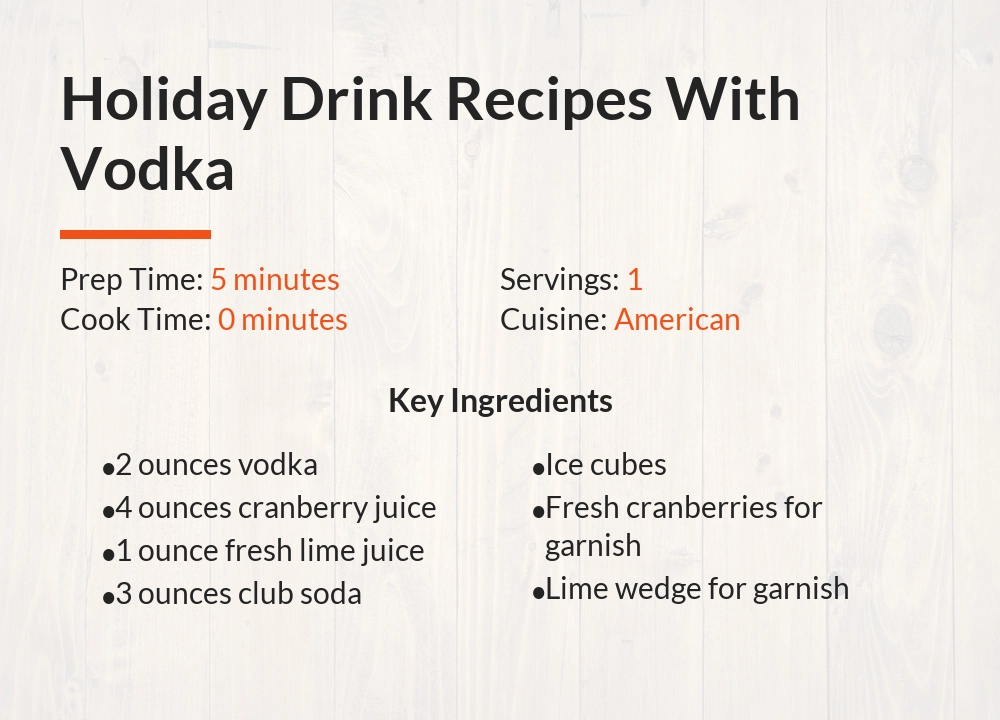
As an Amazon Associate, I may earn a small commission from qualifying purchases at no extra cost to you. This helps me create more valuable, tested content for you.
The holiday season transforms ordinary moments into cherished memories, often centered around shared meals and drinks. In my family, the clink of glasses filled with carefully crafted vodka cocktails signaled the start of festive gatherings. These beverages became more than just drinks; they were a symbol of togetherness and joy.
Today, I will walk you through creating balanced, flavorful holiday drink recipes with vodka, starting with a classic Cranberry Vodka Spritzer. This approach combines my background in dietetics with historical culinary insights to ensure your celebrations are both delicious and thoughtful.
You will learn how to prepare this cocktail, understand its nutritional profile, and explore adaptations for various dietary needs. Let us begin with the core recipe to build a foundation for your holiday hosting.
How to Make Holiday Drink Recipes with Vodka
This section provides a detailed guide to preparing a Cranberry Vodka Spritzer, a refreshing option for holiday events. Follow these steps to achieve a consistent result every time.
Recipe Details
- Prep Time: 5 minutes
- Cook Time: 0 minutes
- Servings: 1
- Course: Beverage
- Cuisine: American
- Diet: Contains alcohol
Ingredients
- 2 ounces vodka
- 4 ounces cranberry juice
- 1 ounce fresh lime juice
- 3 ounces club soda
- Ice cubes
- Fresh cranberries for garnish
- Lime wedge for garnish
Instructions
- Fill a highball glass with ice cubes to chill the base.
- Pour the vodka, cranberry juice, and lime juice directly into the glass.
- Top with club soda, allowing it to mix naturally with the other liquids.
- Stir gently with a bar spoon to combine without losing carbonation.
- Garnish with a skewer of fresh cranberries and a lime wedge on the rim.
Nutrition
- Calories: 160 kcal
- Protein: 0 g
- Fat: 0 g
- Carbohydrates: 12 g
- Sugar: 10 g
- Fiber: 0 g
- Sodium: 15 mg
- Cholesterol: 0 mg
Cooking Method
This recipe uses a direct mixing method in the serving glass. No heat application is involved, preserving the freshness of ingredients like citrus and carbonated elements.
Tools Needed
- Highball glass
- Jigger for accurate measurement
- Bar spoon for stirring
- Knife and cutting board for garnishes
Exploring Vodka Varieties for Festive Cocktails
Selecting the right vodka can elevate your holiday drinks from simple to exceptional. Vodka is a neutral spirit, but its base ingredients and distillation process affect the final taste.
Potato-based vodkas often have a creamier texture, while grain-based options are lighter. For fruit-forward cocktails like a Cranberry Vodka Spritzer, a clean, unflavored vodka works well to avoid overpowering other components.
If you prefer a hint of complexity, consider citrus-infused vodkas that complement cranberry and apple notes. Always check the alcohol by volume; standard vodka is 40% ABV, but variations exist.
Understanding Vodka Production
Vodka originates from Eastern Europe, where it was traditionally made from fermented grains or potatoes. Modern production involves multiple distillations to achieve purity.
The number of distillations impacts smoothness; more distillations typically result in a cleaner spirit. This matters in holiday cocktails where vodka serves as a base without masking flavors.
Flavor Pairing Principles
Vodka’s neutrality makes it versatile for pairing with seasonal ingredients. Cranberry adds tartness, while apple cider introduces sweetness. Balancing these with citrus or spices like cinnamon creates harmony.
For a festive twist, infused vodkas with vanilla or peppermint can align with holiday themes. Experiment with small batches to find your preferred combination.
Nutritional Insights into Holiday Vodka Drinks
As a dietitian, I analyze the nutritional impact of festive beverages. Vodka itself is low in carbohydrates and sugar, but mixers often contribute calories and sweeteners.
A typical Cranberry Vodka Spritzer contains about 160 calories per serving, primarily from alcohol and juice. Moderating portion sizes helps manage intake during celebrations.
Alcohol metabolism prioritizes burning ethanol over other nutrients, which can affect energy balance. Pairing drinks with protein-rich foods may slow absorption and reduce peaks in blood alcohol levels.
Caloric Breakdown
Vodka provides 7 calories per gram, similar to pure alcohol. Cranberry juice adds natural sugars, contributing to carbohydrate content. Using unsweetened versions lowers sugar intake.
Club soda introduces no calories, making it a smart choice for dilution. Garnishes like fresh fruit add minimal calories but enhance visual appeal and micronutrients.
Health Considerations
Consuming alcohol in moderation is key; the Dietary Guidelines for Americans recommend up to one drink per day for women and two for men. Hydration between alcoholic beverages supports overall well-being.
For those monitoring sugar, opt for low-sugar cranberry juice or reduce the portion. Adding a splash of lime juice can enhance flavor without extra sweetness.
Dietary Adaptations for Inclusive Celebrations
Accommodating various dietary needs ensures everyone can enjoy holiday drinks. Vodka is naturally gluten-free, but verify labeling if cross-contamination is a concern.
For vegan diets, avoid honey-based sweeteners and use agave or maple syrup instead. Dairy-free options are straightforward since most vodka cocktails do not include milk products.
Low-Sugar Variations
Replace cranberry juice with a blend of unsweetened cranberry and water, sweetened with stevia or erythritol. This reduces sugar content while maintaining tartness.
In recipes like a Peppermint White Russian, use sugar-free coffee liqueur and almond milk. These swaps lower carbohydrates without sacrificing creaminess.
Alcohol-Free Alternatives
Create mocktails by substituting vodka with seedlip or other non-alcoholic spirits. Increase the proportion of club soda and add extra citrus for complexity.
For a Cranberry Vodka Spritzer mocktail, omit vodka and double the cranberry and lime components. Garnish with rosemary for an aromatic touch.
Cultural and Historical Context of Vodka in Holidays
Vodka has deep roots in Slavic cultures, where it was integral to celebrations like Christmas and New Year’s. Traditionally, it was served chilled alongside hearty meals to symbolize hospitality.
In Western holidays, vodka gained popularity in the mid-20th century with cocktails like the Moscow Mule. Its adaptability made it a staple for festive creations, such as the Cranberry Vodka Spritzer, which reflects American influences.
Understanding this history enriches the drinking experience, connecting modern recipes to centuries of tradition. Holidays often blend customs, and vodka serves as a versatile bridge.
Evolution of Holiday Cocktails
Early holiday drinks featured spirits like whiskey and rum, but vodka’s rise introduced lighter options. The addition of cranberry and apple aligned with seasonal harvests, creating drinks that feel inherently festive.
Recipes like the Christmas Poinsettia Punch combine vodka with champagne, showcasing how vodka adapts to different cultural elements. This evolution continues with new ingredients and techniques.
Common Mistakes and Expert Tips
Many home bartenders overlook the importance of fresh ingredients. Bottled lime juice can impart a metallic taste compared to freshly squeezed citrus.
Measuring accurately ensures balance; too much vodka overwhelms other flavors. Use a jigger rather than estimating pour sizes.
Ice quality matters; large, clear cubes melt slower, preventing dilution. Avoid using ice that has absorbed freezer odors.
Advanced Techniques
For clear cocktails, strain mixtures through a fine mesh to remove pulp. When making batches, mix non-carbonated ingredients ahead and add soda just before serving.
Infuse vodka with spices like cinnamon sticks or orange peel days in advance. This deepens flavors and personalizes your holiday offerings.
Serving and Pairing Suggestions
Holiday vodka cocktails pair well with savory appetizers like cheese platters or roasted nuts. The acidity in cranberry-based drinks cuts through rich foods, cleansing the palate.
For larger gatherings, serve drinks in pitchers with garnishes on the side. This allows guests to customize their experience while you manage time efficiently.
Storage is simple; pre-mixed non-carbonated components can be refrigerated for up to two days. Always add carbonated elements at the last moment to maintain fizz.
Glassware and Presentation
Use highball glasses for spritzers and martini glasses for creamier cocktails. Rim glasses with sugar or salt for added texture, matching the drink’s profile.
Garnishes like candy canes or cinnamon sticks enhance festive appeal. Edible flowers or herb sprigs introduce color and aroma.
Variations on Holiday Vodka Cocktails
Beyond the Cranberry Vodka Spritzer, numerous recipes cater to diverse tastes. A Peppermint White Russian combines vodka, coffee liqueur, and peppermint schnapps for a dessert-like treat.
Apple Cider Vodka Cocktail incorporates fresh cider, lemon juice, and a cinnamon stick garnish. This variation emphasizes autumn flavors while remaining light.
For a crowd-pleaser, Rudolph’s Tipsy Punch blends vodka, cranberry juice, orange juice, and ginger ale. Scale this recipe up for holiday parties without compromising taste.
Seasonal Ingredient Swaps
In winter, use pomegranate juice instead of cranberry for a deeper color and flavor. Spring versions might include elderflower liqueur and fresh berries.
Experiment with herbs like thyme or sage for aromatic complexity. These small changes keep your drink menu dynamic and engaging.
The Science Behind Cocktail Balance
Understanding basic principles like the golden ratio of 2:1:1 (spirit, sweet, sour) helps in creating balanced drinks. Vodka serves as the spirit, while cranberry juice provides sweetness and lime adds sourness.
Carbonation from club soda alters perception by tickling the tongue, making drinks seem brighter. Temperature affects volatility of aromas, so serving chilled enhances the sensory experience.
Alcohol content influences flavor extraction; higher proof vodkas can carry more nuanced notes. This is why premium vodkas often shine in simple recipes.
Frequently Asked Questions
What is the best vodka for holiday drinks?
Neutral, mid-range vodkas like Tito’s or Absolut work well for most recipes. They provide a clean base without dominating other ingredients.
Can I make these cocktails ahead of time?
Yes, for non-carbonated drinks, mix and refrigerate for up to 24 hours. Add carbonated elements and garnishes just before serving.
How can I reduce the sugar in vodka cocktails?
Use unsweetened juices and natural sweeteners like stevia. Increase citrus or herb infusions to compensate for reduced sweetness.
What food pairs well with cranberry vodka drinks?
Savory items like baked brie, roast turkey, or spinach dips complement the tartness. Avoid overly sweet dishes to prevent flavor clash.
Are there non-alcoholic versions of these recipes?
Absolutely. Substitute vodka with sparkling water or non-alcoholic spirits. Adjust other ingredients to maintain balance.
How do I store leftover mixed drinks?
Discard carbonated cocktails after serving. Non-carbonated mixes can be kept in airtight containers in the refrigerator for two days.
What tools are essential for beginner bartenders?
A jigger, shaker, strainer, and bar spoon cover most needs. Invest in quality glassware for an elevated presentation.
Can I use frozen fruits instead of fresh?
Yes, frozen cranberries or berries work well in purees or garnishes. Thaw slightly before use to avoid diluting the drink.
How does vodka affect hydration?
Alcohol is a diuretic, so alternate with water between drinks. Adding electrolyte-rich foods to your meal can help maintain balance.
What are some unique garnish ideas?
Try candied ginger, star anise, or rosemary sprigs. These add visual interest and subtle flavor notes to your cocktails.