Reina
Reina 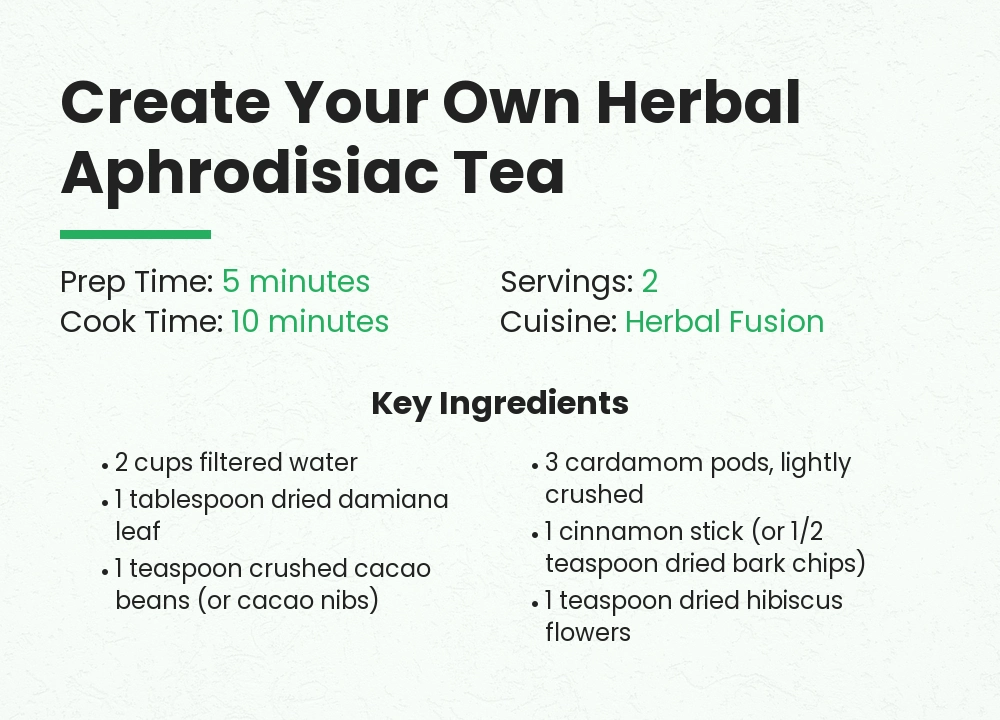
As an Amazon Associate, I may earn a small commission from qualifying purchases at no extra cost to you. This helps me create more valuable, tested content for you.
The connection between a warm cup of tea and a sense of intimacy is a powerful one. I first discovered this years ago while researching traditional botanical remedies, leading me to develop a personal blend that is both a ritual and a recipe. This herbal infusion is designed to support relaxation and circulation, creating a foundation for connection.
Below, you will find the complete formula for this herbal aphrodisiac tea. This guide provides everything from the precise measurements to the historical and nutritional science that makes it effective. We will explore the role of each component and how they work in harmony within the body.
How to Make Herbal Aphrodisiac Tea
This section contains the core recipe for immediate use. The following parts of the article will provide a detailed analysis of each ingredient and method.
Recipe Details
- Prep Time: 5 minutes
- Cook Time: 10 minutes
- Servings: 2
- Course: Beverage
- Cuisine: Herbal Fusion
- Diet: Vegan, Gluten-Free
Ingredients
- 2 cups filtered water
- 1 tablespoon dried damiana leaf
- 1 teaspoon crushed cacao beans (or cacao nibs)
- 1 teaspoon maca root powder
- 1/2 teaspoon ashwagandha powder
- 3 cardamom pods, lightly crushed
- 1 cinnamon stick (or 1/2 teaspoon dried bark chips)
- 1 teaspoon dried hibiscus flowers
- Optional: 1 teaspoon raw honey or maple syrup
- Optional: 2 tablespoons coconut milk for creaminess
Instructions
- Pour the filtered water into a small saucepan and bring it to a rolling boil.
- Once boiling, reduce the heat to a gentle simmer. Add the damiana leaf, crushed cacao beans, cardamom pods, and cinnamon stick.
- Allow the mixture to simmer gently for 5-7 minutes. Do not let it reach a vigorous boil again, as this can damage delicate herbal compounds.
- After simmering, remove the saucepan from the heat. Stir in the maca root powder and ashwagandha powder until fully dissolved.
- Add the dried hibiscus flowers to the pan, cover it with a lid, and let the tea steep for an additional 3 minutes. The hibiscus provides color and a tart balance.
- Place a fine-mesh strainer over a teapot or two serving cups. Carefully pour the tea through the strainer to remove all solid herbs and spices.
- If desired, stir in honey or maple syrup to sweeten. For a richer texture, add a tablespoon of coconut milk to each cup.
Nutrition
- Calories: 25 kcal
- Protein: 1 g
- Fat: 1 g
- Carbohydrates: 4 g
- Sugar: 1 g
- Fiber: 2 g
- Sodium: 10 mg
- Cholesterol: 0 mg
Cooking Method
This recipe uses a two-step infusion process. Simmering the tougher herbs and spices first extracts their full spectrum of beneficial compounds. The second steeping phase with more delicate ingredients preserves their volatile oils and sensitive adaptogens.
Tools Needed
- Small saucepan
- Fine-mesh strainer or muslin tea bag
- Measuring spoons
- Teapot or two serving cups
The Purpose of a Libido-Boosting Infusion
An aphrodisiac is any substance or stimulus that enhances sexual desire. The concept is ancient, with roots in nearly every global culture. This tea functions not as a pharmaceutical, but as a holistic support for the body’s own systems.
It works on two primary physiological levels. The first is by promoting vasodilation, which improves blood flow to peripheral areas. The second is through modulating the nervous system, helping to reduce the impact of daily stressors that can inhibit arousal.
How Herbal Actions Support Desire
The herbs in this blend were selected for their specific and complementary actions. They work together to create a synergistic effect that is greater than the sum of its parts.
Nervine and Adaptogenic Effects
Herbs like ashwagandha and damiana are classified as adaptogens. They help the body maintain balance when confronted with physical or mental strain. By supporting healthy cortisol levels, they can indirectly improve conditions for desire to flourish.
Circulatory Stimulants
Ingredients such as cacao and cinnamon contain compounds that support healthy circulation. Improved blood flow is a key physical component of arousal for all bodies, making these ingredients fundamental to the blend’s function.
Detailed Ingredient Analysis
Understanding each component allows you to appreciate the recipe’s complexity and make informed substitutions if necessary.
Damiana Leaf
Damiana is a small shrub native to Central and South America. Its leaves have a long history of use as a tonic for reproductive health. It has a slightly bitter, green aroma with notes of chamomile. From a phytochemical perspective, it contains flavonoids and volatile oils believed to support pelvic circulation and relaxation.
Cacao and Cocoa
Raw cacao beans are different from processed cocoa powder. The beans contain a higher concentration of theobromine, a mild stimulant that supports cardiovascular function. They also provide phenylethylamine, a compound associated with mood elevation. Using crushed beans or nibs provides a deeper, more complex chocolate flavor than powder alone.
Maca Root
Maca is a cruciferous vegetable root grown in the high Andes of Peru. The dried powder has a malty, slightly butterscotch-like taste. It is a nutritional adaptogen, rich in minerals and amino acids. Studies suggest it may help support endocrine function and energy levels, which are both tied to a healthy libido.
Ashwagandha Powder
This is a cornerstone herb in Ayurvedic practice. Its name translates to “smell of a horse,” referring to its potent aroma and traditional use for promoting vitality. Modern research focuses on its ability to modulate the stress response, which is often a primary barrier to sexual desire.
Cardamom and Cinnamon
These warming spices do more than just provide a delicious flavor. Cardamom is known in Traditional Chinese Medicine to support digestive fire, which is linked to overall vitality. Cinnamon contains cinnamaldehyde, a compound that promotes blood flow. Together, they create a warming sensation that is both physical and psychological.
Nutritional Science of the Blend
The nutritional profile of this tea supports overall metabolic and nervous system health. The minimal caloric content comes primarily from the complex carbohydrates in the maca root and the trace fats from the cacao.
Key Bioactive Compounds
Each ingredient contributes specific phytochemicals. Damiana provides apigenin and other flavonoids. Cacao is a significant source of flavanols. Maca contains unique macamides and macaenes. Ashwagandha offers withanolides. These compounds are the active agents behind the herbal actions described.
Synergistic Nutrient Absorption
The presence of healthy fats from optional coconut milk can increase the bioavailability of fat-soluble compounds in the herbs. The slight heat from the spices may also improve the extraction efficiency of certain antioxidants during the brewing process.
Customizing Your Herbal Preparation
This recipe is a template. You can adjust it based on personal preference, ingredient availability, or specific health goals.
Creating a Cacao-Berry Variation
For a fruitier profile, reduce the damiana to 2 teaspoons and add 1 tablespoon of dried raspberries or goji berries to the simmering step. These berries add a tart sweetness and additional vitamin C, which supports adrenal health.
Preparing an Iced Version
Double the strength of the recipe by using the same amount of herbs with only 1 cup of water. After straining, pour the concentrated tea over a full glass of ice. The rapid cooling creates a refreshing drink for warmer weather.
Dietary Adaptations
This base recipe is naturally vegan and gluten-free. For a keto-friendly version, omit the honey and ensure you use pure cacao without added sugars. If you are sensitive to nightshades, you can omit ashwagandha, as it is part of the nightshade family.
Historical and Cultural Roots
The use of plants to support amorous feelings dates back millennia. The Aztecs considered cacao a gift from the gods and used it in ceremonies. In Central American traditions, damiana was famously used in “love potions.”
These practices were not based on superstition alone. They were the result of generations of observational knowledge about how specific plants interacted with the human body. Modern science is now validating many of these traditional uses by identifying the active chemical constituents.
Expert Tips for Optimal Results
The quality of your ingredients and your preparation technique directly influence the tea’s potency and flavor.
Selecting and Storing Herbs
Purchase herbs from reputable suppliers that specialize in bulk botanicals. Look for vibrant color and a potent aroma. Store all dried herbs and powders in airtight glass jars away from light and heat to preserve their volatile oils and prevent degradation.
Common Preparation Errors
Avoid using aluminum cookware, as it can react with the acidic hibiscus. Do not boil the maca and ashwagandha powders; adding them off the heat preserves their delicate adaptogenic compounds. Ensure you crush the cardamom pods to release the small seeds inside, which hold most of the flavor and beneficial oils.
Serving and Ritual Suggestions
How you serve this tea can be as important as the recipe itself. The act of preparation and sharing is part of the experience.
Creating an Atmosphere
Serve the tea in beautiful glass cups or ceramic mugs. The deep red-amber color from the hibiscus and cacao is visually appealing. Pairing it with a small piece of dark chocolate can enhance the sensory journey. The goal is to engage all the senses, not just taste.
Storage and Make-Ahead Guidance
This tea is best consumed fresh. However, you can store a strained concentrate in an airtight bottle in the refrigerator for up to 24 hours. Gently reheat it on the stove; avoid microwaving, which can create uneven hot spots that degrade the herbal properties.
Frequently Asked Questions
What is an aphrodisiac tea recipe?
An aphrodisiac tea recipe is a specific formula that combines herbs, spices, and other botanicals known to support sexual health and desire. It works by promoting relaxation, improving circulation, and providing nutritional support to the endocrine system, rather than acting as a direct stimulant.
How long does it take for the tea to have an effect?
The effects are subtle and cumulative. You may feel a sense of relaxation and warmth within 20-30 minutes of consumption. For more sustained benefits related to libido and stress management, consistent consumption over several weeks is often recommended as part of a holistic health practice.
Can I drink this tea every day?
For most people, consuming one to two cups daily is considered safe. However, it is wise to cycle herbal intake. Consider drinking it for three weeks, then taking a one-week break. This prevents your body from building a tolerance and allows you to assess its ongoing effects.
Are there any contraindications for this tea?
Individuals who are pregnant, nursing, or on medication for blood pressure, diabetes, or hormone-related conditions should consult a healthcare provider before use. Some herbs can interact with medications or are not recommended during pregnancy.
What is the best time of day to drink it?
Early evening is an ideal time. This allows the relaxing properties to take effect as you transition out of the day’s stressors, while the circulatory benefits can support evening intimacy. Avoid drinking it immediately before bed if you are sensitive to the slight stimulant effect from cacao.
Can I make a large batch of the dry herb blend?
Yes, you can multiply the dry ingredients to create a larger quantity for future use. Combine everything except the maca and ashwagandha powders, as these are best added fresh. Store the dry blend in an airtight container. Add the powders when you brew each serving.
Is the effect of this tea psychological or physical?
The effect is both. The ritual of preparing and drinking a warm, flavorful beverage creates a psychological space for intimacy. Physically, the compounds in the herbs directly support circulatory and nervous system functions that are foundational to the body’s arousal response.