Reina
Reina 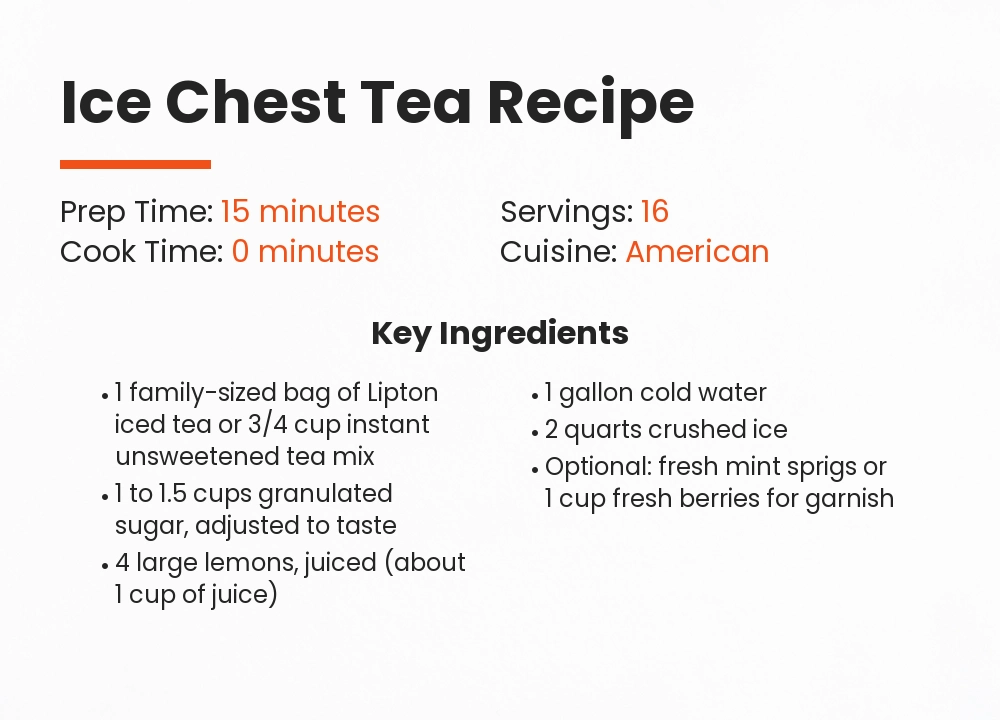
As an Amazon Associate, I may earn a small commission from qualifying purchases at no extra cost to you. This helps me create more valuable, tested content for you.
I recall a sweltering afternoon at a family reunion where the sun beat down relentlessly. My aunt pulled out a massive ice chest filled with a golden, citrus-infused tea that seemed to revive everyone instantly. That memory sparked my curiosity about this simple yet transformative drink. If you have ever needed a beverage that can quench the thirst of a large group without constant refills, ice chest tea is your solution.
This method involves brewing tea directly in an ice chest, leveraging the container’s insulation to keep it cold for hours. It combines tea, sweeteners, and citrus fruits for a balanced flavor. In this article, I will guide you through creating this drink, drawing from my experience as a dietician and culinary historian to ensure every aspect is covered.
You will learn not just the steps but the science behind the ingredients, nutritional insights, and adaptations for various diets. Let us start with the core recipe to get you making it right away.
How to Make Ice Chest Tea Recipe
This section provides the detailed recipe for ice chest tea. Follow these steps to achieve a consistent, refreshing result every time. The quantities are designed to serve a crowd, making it ideal for events like barbecues or picnics.
Recipe Details
- Prep Time: 15 minutes
- Cook Time: 0 minutes
- Servings: 16
- Course: Beverage
- Cuisine: American
- Diet: Vegetarian
Ingredients
- 1 family-sized bag of Lipton iced tea or 3/4 cup instant unsweetened tea mix
- 1 to 1.5 cups granulated sugar, adjusted to taste
- 4 large lemons, juiced (about 1 cup of juice)
- 4 large oranges, juiced (about 1.5 cups of juice)
- 1 gallon cold water
- 2 quarts crushed ice
- Optional: fresh mint sprigs or 1 cup fresh berries for garnish
Instructions
- Begin by ensuring your ice chest is clean and dry to prevent any off-flavors.
- If using a tea bag, place it in the ice chest. For instant tea mix, add it directly.
- Pour in the sugar, starting with 1 cup. You can adjust later based on sweetness preference.
- Add the cold water to the ice chest, stirring vigorously until the tea and sugar dissolve completely.
- Squeeze the juice from the lemons and oranges directly into the mixture, straining out seeds if necessary.
- Incorporate the crushed ice, which helps dilute the tea to the right strength and chills it rapidly.
- Stir everything together for about a minute to ensure even distribution of flavors.
- Let it sit for 5-10 minutes to allow the flavors to meld before serving.
- Garnish with fresh mint or berries if desired, and use a ladle to serve directly from the ice chest.
Nutrition
- Calories: 120 kcal
- Protein: 0 g
- Fat: 0 g
- Carbohydrates: 32 g
- Sugar: 30 g
- Fiber: 0 g
- Sodium: 5 mg
- Cholesterol: 0 mg
Cooking Method
This recipe uses a no-cook brewing method where ingredients are combined cold in an insulated container. The ice chest acts as both a mixer and a cooler, maintaining the beverage’s temperature without external heat. The tea infuses gradually as it sits, with the ice preventing bitterness by slowing extraction.
Tools Needed
- A clean ice chest or large cooler with a capacity of at least 2 gallons
- Measuring cups and spoons for accuracy
- A juicer or reamer for citrus fruits
- A long-handled spoon or ladle for stirring and serving
- Glasses or cups for serving
Understanding the Ingredients
Each component in ice chest tea plays a critical role in flavor, texture, and nutritional profile. By selecting high-quality ingredients, you can elevate this drink from ordinary to exceptional. Let us break down the key elements and their attributes.
Types of Tea for Optimal Flavor
Tea serves as the foundation of this recipe, providing the base flavor and antioxidants. Lipton iced tea is a common choice due to its consistent blend of black teas, which offer a robust, slightly astringent profile that stands up to dilution. Black tea originates from regions like Assam or Ceylon, contributing malty or brisk notes.
If you prefer a different variety, green tea can introduce grassy, vegetal undertones, while herbal options like raspberry or mint tea add fruity or cooling elements. Instant tea mixes are convenient because they dissolve quickly in cold water, whereas bagged tea may require longer steeping but often yields a fresher taste.
The caffeine content in black tea provides a mild energy boost, typically around 15-30 mg per serving. For a decaffeinated version, opt for tea labeled as such, though note that it might alter the depth of flavor.
Sweeteners and Their Impact
Sugar is not just a sweetener; it balances the tannins in tea, reducing bitterness. Granulated white sugar is standard because it dissolves easily and has a neutral taste. The amount can vary from 1/3 to 2/3 cup per gallon, but I recommend starting with less and adjusting to avoid over-sweetness.
Alternative sweeteners like honey or agave syrup can be used. Honey adds floral notes and trace minerals, while agave has a lower glycemic index. However, they may not dissolve as readily in cold liquids, so stirring thoroughly is essential. Stevia or erythritol are options for a low-calorie version, though they can leave a slight aftertaste.
From a dietary perspective, excessive sugar intake can lead to energy spikes, so moderating the quantity aligns with healthier habits. In this recipe, the citrus juices naturally offset some sweetness, reducing the need for added sugar.
The Role of Citrus and Fruits
Citrus fruits like lemons and oranges contribute acidity and vitamin C, which enhance the tea’s brightness and nutritional value. Lemons provide tartness that cuts through sweetness, while oranges add a subtle sweetness and floral aroma. Freshly squeezed juice is preferable to bottled versions, as it lacks preservatives and offers vibrant flavor.
Berries, such as raspberries or strawberries, can be muddled or added whole for a fruity twist. They introduce antioxidants like anthocyanins and a pop of color. Mint leaves not only garnish but also impart a refreshing coolness, making the drink more invigorating on a hot day.
When selecting citrus, choose fruits that are heavy for their size, indicating juiciness. Roll them on a counter before juicing to maximize yield. The peels can be zested and added for extra citrus oil, but avoid the bitter white pith.
Nutritional Benefits of Ice Chest Tea
As a dietician, I emphasize understanding what you consume. This beverage, when prepared mindfully, offers several health advantages alongside potential drawbacks. The primary benefits come from tea and citrus, while sugar content requires attention.
Tea is rich in polyphenols, such as flavonoids, which have antioxidant properties that may support heart health and reduce inflammation. A serving of this drink provides a modest amount of vitamin C from the citrus, aiding immune function and skin health.
The calorie content mainly stems from sugar, so reducing it can make this a low-energy option. For context, a typical soda has similar sugar levels but lacks the beneficial compounds from tea and fruit. Hydration is another key aspect; the water base helps maintain fluid balance, especially in summer.
However, high sugar intake can contribute to weight gain or blood sugar issues. I advise serving it alongside water to encourage moderation. The caffeine in tea offers a mild stimulant effect, which can be beneficial in small doses but may affect sensitive individuals.
Dietary Adaptations for Ice Chest Tea
Adapting this recipe to meet various dietary needs is straightforward with simple substitutions. Whether you are avoiding sugar, animal products, or gluten, these changes maintain the drink’s appeal.
Vegan and Plant-Based Options
The standard recipe is already vegetarian, but to make it vegan, ensure that any added sweeteners like honey are replaced with maple syrup or agave. Check that the tea mix does not contain hidden animal-derived ingredients, which is rare for basic teas.
Low-Sugar and Diabetic-Friendly Versions
For reduced sugar, use stevia or monk fruit sweetener in place of granulated sugar. Start with a small amount, as these are much sweeter. Alternatively, increase the citrus juice to naturally enhance sweetness without added calories.
Gluten-Free and Allergy Considerations
Most tea and citrus ingredients are naturally gluten-free, but verify labels on instant mixes for potential cross-contamination. If using pre-packaged lemon juice, ensure it is free from additives that might contain allergens.
The History and Culture of Ice Chest Tea
Ice chest tea has roots in American Southern and picnic traditions, where large gatherings necessitated practical, scalable beverages. It evolved from sun tea, where tea was brewed outdoors using solar heat, but the ice chest method improved safety by avoiding bacterial growth.
This drink became a staple at events like family reunions and BBQs, symbolizing community and relaxation. Its simplicity allowed hosts to focus on socializing rather than frequent drink preparation. Over time, variations emerged, incorporating local ingredients like berries from gardens or mint from backyard patches.
In regions with hot summers, such as the Southern United States, it served as an antidote to heat, often paired with hearty foods. The use of Lipton tea reflects its widespread availability since the early 20th century, making it a nostalgic element for many families.
Common Mistakes and How to Avoid Them
Even a simple recipe can have pitfalls. Based on my trials, here are frequent errors and expert tips to ensure success. Addressing these will help you achieve a perfectly balanced beverage every time.
One common issue is over-sweetening, which masks the tea’s natural flavors. Always start with less sugar and taste after mixing, adding gradually. Another mistake is using warm water, which can make the tea cloudy and bitter; stick to cold water for clarity.
Inadequate stirring leads to uneven dissolution of tea and sugar, resulting in pockets of strength or sweetness. Stir for at least a minute, and consider pre-mixing the tea and sugar with a small amount of water before adding the rest. Also, avoid adding ice too early if the tea is not fully dissolved, as it can halt the process.
For storage, do not leave the tea in the ice chest for more than 24 hours, as it can develop off-flavors or safety concerns. Always use a clean container to prevent contamination. If the tea tastes too strong, dilute it with additional water or ice until desired strength is reached.
Serving Suggestions and Pairings
Ice chest tea shines as part of a larger meal, complementing a range of dishes. Its refreshing quality makes it versatile for various occasions, from casual cookouts to formal events.
Pair it with grilled meats like chicken or burgers, where the citrus cuts through the richness. Fresh salads with vinaigrette dressings align well with the tea’s acidity. For appetizers, consider light options such as vegetable platters or cheese boards.
In terms of presentation, serve the tea in clear pitchers or directly from the ice chest with a ladle. Garnish with lemon slices, orange wedges, or fresh berries to enhance visual appeal. For a cocktail version, add a splash of vodka or rum, but label it clearly for guests.
Storage is straightforward; any leftovers can be transferred to a sealed pitcher and refrigerated for up to two days. Avoid freezing, as it can alter the texture and flavor. If the tea separates, give it a quick stir before serving again.
The Science Behind Brewing Tea in an Ice Chest
Brewing tea cold in an ice chest involves slow extraction of compounds from tea leaves. Unlike hot brewing, which quickly releases tannins and caffeine, cold brewing minimizes bitterness by extracting flavors more gradually.
The ice plays a dual role: it chills the drink and slowly melts, diluting the tea to a pleasant strength. This method also preserves delicate volatile compounds in citrus and tea, resulting in a smoother taste. From a food safety perspective, the cold environment inhibits microbial growth, but it is still best consumed within a day.
Understanding this process allows you to experiment with steeping times. For a stronger tea, let it sit longer before adding ice, but no more than an hour to avoid over-extraction. The insulation of the ice chest maintains a consistent temperature, which is key for even flavor development.
Frequently Asked Questions
What is ice chest tea recipe?
Ice chest tea is a large-batch beverage made by combining tea, sweeteners, citrus juices, and ice in an insulated cooler. It is designed for serving crowds and stays cold for extended periods without refrigeration.
Why is ice chest tea recipe important?
This recipe is important because it offers a practical solution for events where refreshing drinks are needed in volume. It reduces preparation time and keeps the drink chilled, making it ideal for summer gatherings or outdoor activities.
How does ice chest tea recipe work?
It works by using the ice chest’s insulation to maintain a cold temperature while the tea brews slowly. The ice dilutes the mixture to the right strength, and the citrus adds flavor balance, creating a consistent drink throughout serving.
Can I use fresh tea leaves instead of instant mix?
Yes, you can use fresh tea leaves or bags. Steep them in hot water first, then cool completely before adding to the ice chest to avoid bitterness. Adjust the quantity based on the desired strength.
How can I reduce the sugar content without losing flavor?
To reduce sugar, increase the amount of citrus juice or add natural sweeteners like mashed berries. You can also use low-calorie sweeteners, but taste as you go to maintain balance.
What are the best occasions to serve ice chest tea?
It is perfect for BBQs, family reunions, pool parties, or any summer event with a large group. Its scalability and ease of serving make it a crowd favorite.
How long can I store ice chest tea?
Store it in a refrigerator for up to two days. Do not leave it in the ice chest beyond 24 hours to ensure safety and freshness. Stir before serving if separation occurs.
Can I make this recipe with herbal tea?
Absolutely. Herbal teas like chamomile or fruit blends work well and offer caffeine-free options. Adjust sweeteners to complement the herbal notes, as they can be milder than black tea.
What tools are essential for this recipe?
Key tools include a clean ice chest, measuring utensils, a juicer, and a stirring spoon. A ladle is helpful for serving, and glasses or cups are necessary for consumption.
Is ice chest tea suitable for children?
Yes, but consider using decaffeinated tea if serving to young children. You can also reduce sugar further to align with dietary guidelines for kids.