Reina
Reina 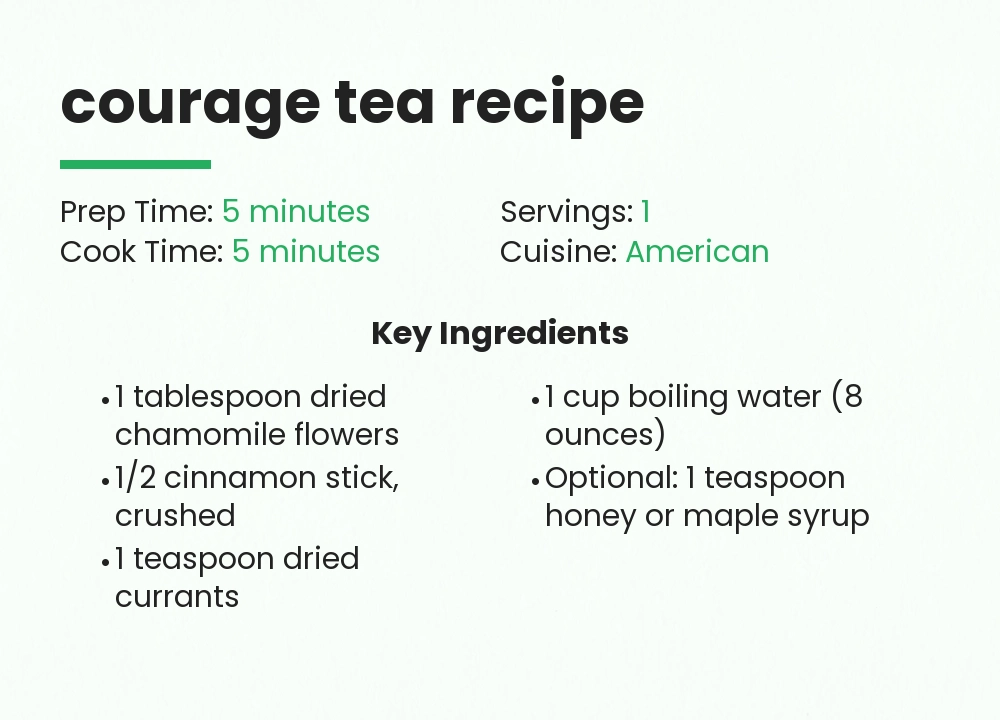
As an Amazon Associate, I may earn a small commission from qualifying purchases at no extra cost to you. This helps me create more valuable, tested content for you.
My aunt first introduced me to courage tea during a visit to her old farmhouse. She pulled a worn, leather-bound book from her shelf, filled with handwritten notes and pressed flowers.
She explained how this blend had been passed down through our family, often used before important events to steady nerves. As a dietician, I was intrigued by the combination of herbs and their potential effects.
Today, I will guide you through making this traditional herbal infusion. You will learn not only the steps but also the science and history behind each ingredient.
This recipe creates a warm, aromatic tea designed to promote a sense of calm and confidence. Let us begin by preparing the blend together.
How to Make courage tea recipe
This section provides the complete method for crafting your own courage tea. Follow these steps carefully for the best results.
I recommend using organic ingredients whenever possible. This ensures purity and maximizes the beneficial compounds in your tea.
Recipe Details
- Prep Time: 5 minutes
- Cook Time: 5 minutes
- Servings: 1
- Course: Beverage
- Cuisine: American
- Diet: Vegan
Ingredients
- 1 tablespoon dried chamomile flowers
- 1/2 cinnamon stick, crushed
- 1 teaspoon dried currants
- 1 cup boiling water (8 ounces)
- Optional: 1 teaspoon honey or maple syrup
Instructions
- Place the dried chamomile, crushed cinnamon stick, and dried currants into a tea strainer or infuser.
- Boil fresh water and pour it directly over the herbs in your cup or teapot.
- Allow the mixture to steep for 5 minutes, covered, to retain the volatile oils.
- Remove the strainer, add sweetener if desired, and stir gently before serving.
Nutrition
- Calories: 15 kcal
- Protein: 0 g
- Fat: 0 g
- Carbohydrates: 4 g
- Sugar: 2 g
- Fiber: 1 g
- Sodium: 5 mg
- Cholesterol: 0 mg
Cooking Method
This tea is prepared using the infusion method. Steeping in hot water extracts the flavors and active compounds from the dried botanicals.
Do not boil the herbs directly, as high heat can destroy delicate components. The water should be just off the boil for optimal extraction.
Tools Needed
- Tea strainer or eco-friendly tea bag
- Measuring spoons
- Kettle or pot for boiling water
- Mug or teapot with lid
Understanding the Ingredients
Each component in courage tea contributes specific properties. Knowing their roles helps you appreciate the blend’s complexity.
I have studied these ingredients extensively in my practice. Their synergistic effects are what make this formula unique.
Chamomile Flowers
Chamomile is a daisy-like plant native to Europe and Western Asia. Its flowers are harvested and dried for herbal use.
The primary active compounds are apigenin and bisabolol. These are known for their gentle sedative and anti-inflammatory qualities.
In courage tea, chamomile provides a calming base. It helps reduce feelings of anxiety without causing drowsiness.
Cinnamon Stick
Cinnamon comes from the inner bark of trees in the Cinnamomum family. The sticks are rolled and dried for culinary and medicinal use.
It contains cinnamaldehyde, which gives it a warm, spicy flavor. This compound may support circulation and cognitive function.
Adding cinnamon to your tea imparts a comforting warmth. It also acts as a natural preservative for the blend.
Dried Currants
Currants are small, seedless raisins made from Black Corinth grapes. They are sun-dried to concentrate their sugars and nutrients.
These tiny fruits provide trace amounts of iron and potassium. They contribute a subtle sweetness and fruity note to the tea.
If you cannot find currants, other dried fruits like raisins or chopped dates can be used. Adjust the quantity based on your taste preferences.
Nutritional Benefits Explained
From a dietary perspective, this herbal infusion offers several advantages. It is naturally free from caffeine and artificial additives.
The combination supports overall wellness through its phytochemical content. Let us break down how each element benefits your body.
Calming Effects of Chamomile
Chamomile interacts with GABA receptors in the brain. This can promote relaxation and improve sleep quality when consumed regularly.
It also possesses antioxidant properties that protect cells from oxidative stress. This is particularly useful during periods of high mental demand.
Metabolic Support from Cinnamon
Cinnamon has been shown to help regulate blood sugar levels. It slows the emptying of the stomach after meals, reducing sharp insulin spikes.
Its warming nature can stimulate digestion. This makes it a valuable addition for those with sluggish metabolic processes.
Energy from Natural Sugars
The dried currants provide a small amount of natural fructose. This offers a quick source of energy without the crash associated with refined sugars.
They also contain dietary fiber, which supports gut health. A healthy gut microbiome is linked to improved mood and immune function.
Dietary Adaptations
This recipe is inherently vegan and gluten-free. However, you can modify it to suit other dietary needs or personal tastes.
I often recommend variations to my clients based on their health goals. Here are some practical swaps you can make.
Low-Sugar Version
Omit the dried currants and sweetener entirely. Replace them with a pinch of orange zest or a few crushed rose petals for flavor.
This reduces the carbohydrate content to nearly zero. It is ideal for individuals monitoring their sugar intake.
Additional Herbal Boosts
You can incorporate other herbs like lemon balm or lavender. Add one teaspoon of dried lemon balm to enhance the calming effects.
For a more robust flavor, include a quarter teaspoon of dried ginger root. This adds a spicy kick and aids digestion.
Using Tea Bags vs. Loose Leaf
If you prefer convenience, pre-filled eco-friendly tea bags are available. Fill them with your custom blend and seal for later use.
Loose leaf preparation allows for better control over strength and ingredient ratios. I find it offers a more aromatic and potent cup.
Historical and Cultural Context
Courage tea has roots in European folk medicine and literary traditions. It gained popularity through novels like Alice Hoffman’s Practical Magic series.
In these stories, characters like Aunt Isabelle use herbal blends for spiritual and emotional support. This mirrors real-world practices from the 17th century.
Literary Connections
The mention of courage tea in books often symbolizes inner strength. It is portrayed as a tool for women facing personal challenges or societal pressures.
These narratives have helped preserve and popularize old family recipes. They blend practical kitchen wisdom with magical realism.
Folk Medicine Practices
Herbalists historically used chamomile and cinnamon for their soothing properties. They were common in remedies for stress and digestive issues.
Dried currants were added for palatability and nutrition. This made the tea more appealing, especially to children or those with delicate constitutions.
Avoiding Common Mistakes
Many people overlook key details when brewing herbal tea. These errors can diminish the flavor and effectiveness of your blend.
Based on my experience, here are the most frequent pitfalls and how to sidestep them.
Water Temperature
Using water that is too hot can scorch delicate herbs like chamomile. Aim for water just below boiling, around 200°F (93°C).
If you do not have a thermometer, boil the water and let it sit for one minute before pouring. This simple step preserves the volatile oils.
Steeping Time
Under-steeping results in a weak, ineffective tea. Over-steeping can make it bitter and astringent.
Five minutes is the ideal range for this particular combination. Set a timer to ensure consistency across batches.
Storage Conditions
Store your courage tea blend in an airtight container away from light and heat. A glass jar in a cool cupboard works well.
Properly stored, the dried ingredients will retain their potency for up to six months. Label the container with the date of preparation.
Serving and Pairing Suggestions
This tea is versatile and can be enjoyed at any time of day. I often drink it in the morning to set a positive tone or in the evening to unwind.
Pair it with simple, wholesome foods to complement its herbal notes. Here are some ideas from my kitchen.
Food Companions
Serve courage tea with whole-grain crackers or a slice of rustic bread. The mild flavors will not overpower the delicate tea.
For a sweet pairing, try it with oatmeal cookies or a small piece of dark chocolate. The bitterness of chocolate contrasts nicely with the tea’s sweetness.
Occasional Uses
Consider brewing a batch before important meetings or presentations. The ritual of preparation can itself be calming.
You can also serve it chilled over ice during warmer months. Add a sprig of fresh mint for a refreshing twist.
The Science of Herbal Infusions
Steeping dried plants in hot water is an effective extraction method. Water-soluble compounds like flavonoids and tannins dissolve into the liquid.
The temperature and time directly influence the concentration of these compounds. This is why precise measurements matter in herbal preparation.
Bioavailability of Nutrients
Heat increases the bioavailability of certain antioxidants. For example, the apigenin in chamomile becomes more accessible after steeping.
Fat-soluble compounds like those in cinnamon may require longer infusion times. Adding a splash of milk can enhance their absorption, though it alters the flavor.
Synergistic Effects
When combined, the ingredients in courage tea may produce enhanced benefits. This is known as the entourage effect in phytotherapy.
For instance, cinnamon’s warming properties can improve circulation. This may help deliver chamomile’s calming agents more efficiently throughout the body.
Frequently Asked Questions
What is courage tea recipe?
Courage tea is a traditional herbal blend made from chamomile, cinnamon, and dried currants. It is steeped in hot water to create a calming beverage often associated with emotional support.
Why is courage tea recipe important?
This recipe is valued for its potential to reduce anxiety and promote mental clarity. It represents a natural approach to wellness rooted in historical practices.
How does courage tea recipe work?
The active compounds in the herbs interact with your body’s systems. Chamomile may calm the nervous system, while cinnamon can improve blood flow and cognitive function.
Can I make courage tea without currants?
Yes, you can omit currants or substitute them with other dried fruits like chopped dates or raisins. The tea will still be effective, though slightly less sweet.
What are the best substitutes for cinnamon in courage tea?
If you cannot use cinnamon, try a small piece of fresh ginger or a pinch of nutmeg. Both provide warmth and complementary flavors.
How long does courage tea last?
When stored properly in an airtight container, the dry blend can last up to six months. Brewed tea should be consumed within 24 hours if refrigerated.
Is courage tea safe for children?
In moderate amounts, it is generally safe for children over the age of two. However, consult a pediatrician before introducing new herbs into a child’s diet.
Can I drink courage tea every day?
Yes, most people can enjoy this tea daily. Monitor your body’s response and adjust frequency if you notice any adverse effects.
What are the side effects of courage tea?
Side effects are rare but may include allergic reactions to chamomile. Discontinue use if you experience skin rashes or digestive discomfort.
How does courage tea compare to other herbal teas?
It is similar to other calming blends but unique in its specific ingredient ratio. Unlike caffeinated teas, it will not cause jitters or sleep disruption.