Reina
Reina 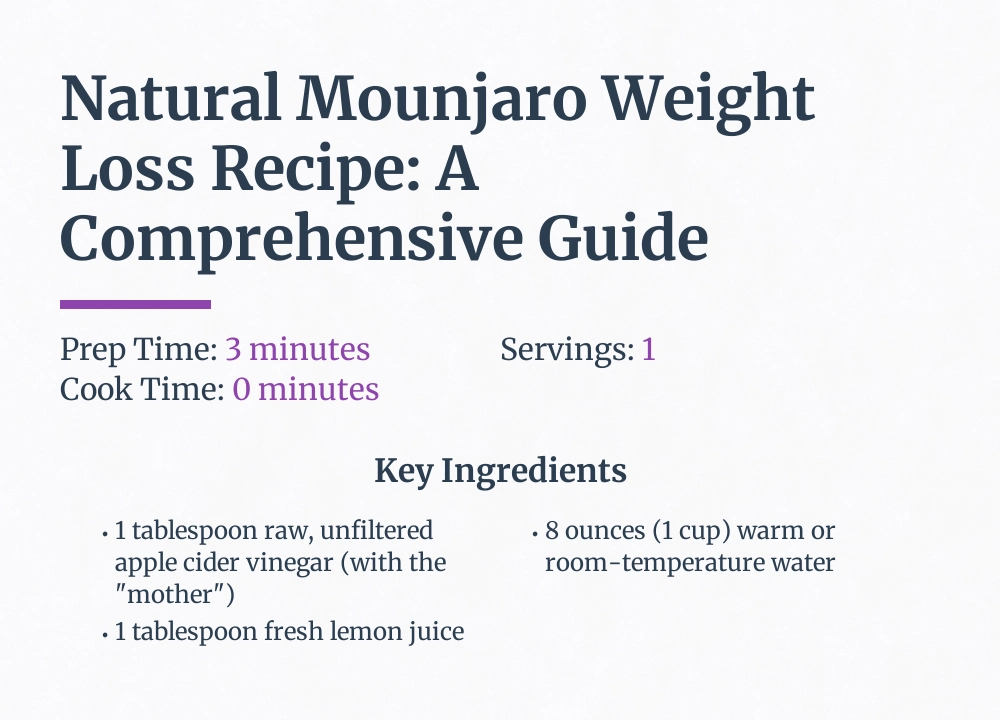
As an Amazon Associate, I may earn a small commission from qualifying purchases at no extra cost to you. This helps me create more valuable, tested content for you.
You may have encountered the term “Natural Mounjaro” circulating online, a homemade drink promising weight management effects similar to the prescription medication. As a dietician, I have analyzed this formula to separate the hype from the nutritional science. This recipe is a simple blend of apple cider vinegar, lemon juice, cinnamon, and water.
My first encounter with this combination was not in a trendy blog, but in my grandmother’s kitchen. She would sip a similar concoction, a habit passed down from her own mother, long before modern weight loss drugs existed. This personal history gives me a unique perspective on its place in a healthy lifestyle.
This article provides the complete recipe and an exhaustive examination of its components. We will explore the evidence behind each ingredient, its potential benefits, and the crucial context needed to use it safely and effectively as part of a broader dietary strategy.
How to Make natural mounjaro weight loss recipe
This section provides the foundational recipe. The following parts of this guide will delve into the detailed science, adaptations, and practical advice to help you personalize this drink.
Recipe Details
- Prep Time: 3 minutes
- Cook Time: 0 minutes
- Servings: 1
- Course: Beverage
- Cuisisine: Fusion
- Diet: Gluten-Free, Vegan
Ingredients
- 1 tablespoon raw, unfiltered apple cider vinegar (with the “mother”)
- 1 tablespoon fresh lemon juice
- 1/4 teaspoon ground cinnamon
- 8 ounces (1 cup) warm or room-temperature water
- Optional: A pinch of cayenne pepper or a few drops of liquid stevia
Instructions
- Pour the water into a sturdy glass. Using warm water helps the powders dissolve more effectively.
- Add the apple cider vinegar and fresh lemon juice to the water.
- Sprinkle the ground cinnamon into the mixture. If you are using optional add-ins like cayenne or stevia, add them now.
- Stir the drink vigorously until the cinnamon is fully incorporated and does not float on the surface.
- Consume immediately. For some, drinking this through a straw can help protect tooth enamel from the acidity.
Nutrition
- Calories: 5 kcal
- Protein: 0 g
- Fat: 0 g
- Carbohydrates: 1 g
- Sugar: 0.5 g
- Fiber: 0 g
- Sodium: 5 mg
- Cholesterol: 0 mg
Cooking Method
This is a no-cook recipe that relies on mixing. The method is straightforward, but the quality of your ingredients significantly impacts the final result. Using fresh lemon juice instead of bottled provides a brighter flavor and more active compounds.
Tools Needed
- A 12-ounce glass or mug
- A long spoon for stirring
- A juicer for fresh lemons (optional but recommended)
- A measuring spoon set
Ingredient Analysis and Scientific Rationale
Understanding why each component is included allows you to appreciate the mechanism of this beverage. The effects are a synergy of their individual properties, not a single magic bullet.
Apple Cider Vinegar: The Core Component
Raw apple cider vinegar is the foundation of this formula. The “mother” is a colony of beneficial bacteria and yeast, similar to what is found in kombucha, which is the source of its purported health properties.
Its primary claim for weight management involves appetite suppression and blood sugar modulation. The acetic acid in the vinegar may slow gastric emptying, which can lead to a feeling of fullness after consumption. This can naturally reduce calorie intake at a subsequent meal.
Some small-scale human studies, such as one published in the Journal of Functional Foods, have indicated that vinegar consumption can modestly improve insulin sensitivity and lower blood glucose responses after a meal rich in carbohydrates. It is not a drug, but a dietary support.
Selecting the Right Apple Cider Vinegar
Not all apple cider vinegar is equal. For this recipe, you must select a raw, unfiltered, and organic brand. The bottle should be cloudy and contain visible sediment at the bottom; this sediment is the “mother.” Clear, distilled vinegar lacks these bioactive components.
Lemon Juice: The Citrus Boost
Fresh lemon juice contributes more than just a zesty flavor to balance the sharpness of the vinegar. It is a source of vitamin C and beneficial plant compounds like flavonoids.
Vitamin C is involved in the synthesis of carnitine, a molecule that helps the body transport fatty acids into cells to be used for energy. While not a direct fat burner, adequate vitamin C is essential for metabolic processes.
The polyphenols in citrus have been studied for their potential antioxidant and anti-inflammatory effects. Chronic inflammation is increasingly linked to difficulties with weight management, so including anti-inflammatory foods can be a supportive strategy.
Cinnamon: The Metabolic Spice
Cinnamon is not just a flavoring agent; it is a potent spice with a long history of use in traditional medicine. Its inclusion is primarily for its potential effects on blood sugar control.
Compounds in cinnamon, such as cinnamaldehyde, may mimic the action of insulin, helping cells take up glucose from the bloodstream. Some research, including a meta-analysis in the Annals of Family Medicine, has shown it can lower fasting blood glucose levels.
It also adds a subtle sweetness without any sugar, which can make the drink more palatable and reduce the desire for added sweeteners. Ceylon cinnamon is often recommended over the more common Cassia variety due to its lower coumarin content, which can be taxing on the liver in high doses.
Nutritional Breakdown and Weight Loss Mechanics
This drink is not a significant source of macronutrients, as the nutrition facts clearly show. Its value lies in its potential to influence the body’s physiological processes related to hunger and metabolism.
How It Supports a Calorie Deficit
Weight loss fundamentally requires a consistent energy deficit, meaning you consume fewer calories than your body uses. This beverage supports that goal indirectly. The appetite-suppressing qualities of apple cider vinegar can help you feel satisfied with a smaller portion at your next meal.
Think of it as a tool for mindful eating, not a replacement for a meal. Using it before a higher calorie meal can help you make more controlled choices and prevent overconsumption. It is a psychological and physiological aid, not a standalone solution.
Blood Sugar Management
Stable blood sugar levels are crucial for managing hunger and energy. When you eat a meal high in refined carbohydrates, your blood glucose can spike rapidly and then crash, triggering cravings for more sugar.
The acetic acid in vinegar and the bioactive compounds in cinnamon may help blunt these post-meal blood sugar spikes. By promoting more stable blood glucose levels, this drink can help reduce the intense hunger pangs that derail a sustainable diet.
Dietary Adaptations and Variations
The basic formula is highly adaptable to personal taste and dietary needs. Here are several ways you can modify the recipe.
Flavor and Potency Variations
If the basic drink is too sharp for you, consider these additions. A small piece of grated ginger can add a warming, spicy note and may offer additional anti-inflammatory benefits. A tiny pinch of cayenne pepper can increase thermogenesis slightly.
For sweetness without sugar, a few drops of liquid stevia or a teaspoon of monk fruit extract are suitable options. Avoid honey or maple syrup if your goal is minimal calorie intake.
Brazilian Mounjaro Recipe Adaptation
Some versions, often called the “Brazilian Mounjaro recipe,” incorporate other elements from traditional wellness practices. A common addition is a pinch of high-quality sea salt or Himalayan pink salt.
The theory is that the minerals in the salt can support electrolyte balance, which is important for hydration and metabolic function. If you try this, use a very small amount, such as 1/16 of a teaspoon.
Cultural and Historical Context
The individual ingredients in this drink have deep roots in traditional medicine systems across the globe. Apple cider vinegar has been used for centuries in folk remedies for everything from soothing sore throats to supporting digestion.
Lemon has been valued since ancient times for its ability to prevent scurvy and its refreshing, cleansing properties. Cinnamon was a prized spice traded along ancient routes and used in both culinary and medicinal preparations in Ayurveda and Traditional Chinese Medicine.
The specific combination branded as “Natural Mounjaro” is a modern internet phenomenon. It leverages the historical reputation of these ingredients and repackages them as a direct response to contemporary pharmaceutical weight loss solutions. It is a DIY weight loss hack built on an ancient foundation.
Common Mistakes and Expert Tips
Many people try this recipe but do not get the desired results or experience side effects due to simple errors. Avoiding these pitfalls will improve your experience.
Protecting Your Tooth Enamel
The most significant risk from daily consumption is the potential erosion of tooth enamel due to the combined acidity of vinegar and lemon juice. Never drink this straight; always dilute it in a full cup of water.
I strongly advise drinking it through a reusable straw aimed toward the back of your mouth to bypass your teeth. Do not brush your teeth immediately after drinking, as the enamel is temporarily softened. Instead, rinse your mouth with plain water.
Managing Stomach Acidity
Some individuals may experience stomach discomfort or heartburn. If you have a sensitive stomach or a history of acid reflux, it may be best to avoid this drink or consume it with a small amount of food.
Starting with a smaller dose, such as one teaspoon of apple cider vinegar, and gradually working up to a full tablespoon can allow your system to adapt. Listen to your body’s signals.
The Dilution Principle
Using insufficient water is a common error. The goal is to make the beverage palatable and safe. A full 8 ounces is the minimum recommended. If the taste is still too strong, you can use up to 12 ounces of water without diminishing the effects.
Serving, Pairing, and Storage Guidance
This drink is designed to be a dietary supplement, not a meal replacement. The most common recommendation is to consume it 15-30 minutes before your largest meal of the day, typically lunch or dinner.
This timing allows the appetite-regulating effects to peak as you begin eating. It is not a “bedtime” drink, as the acidity could cause discomfort when lying down. It pairs with a balanced meal that includes a lean source of protein, complex carbohydrates, and vegetables.
This is a fresh preparation meant for immediate consumption. It does not store well, as the ingredients can separate and the fresh lemon juice can oxidize. Mix a new glass each time you plan to drink it.
Natural Recipe vs. Prescription Mounjaro
It is critical to understand the vast difference between this homemade drink and the prescription drug Mounjaro (tirzepatide). They are not interchangeable.
Prescription Mounjaro is a GLP-1 and GIP receptor agonist. It is a powerful injectable medication that mimics specific gut hormones to regulate insulin, slow digestion, and signal fullness to the brain. It is intended for people with type 2 diabetes and, in some cases, chronic weight management, under strict medical supervision.
This “Natural Mounjaro” recipe is a supportive dietary beverage. Its effects are subtle, indirect, and rely on your consistent effort with diet and lifestyle habits. It will not produce the dramatic weight loss associated with the pharmaceutical drug. View it as a complementary tool, not an equivalent.
Safety and Who Should Avoid This Recipe
While generally safe for most adults when prepared correctly, certain individuals should exercise caution or avoid this drink entirely.
People with gastroesophageal reflux disease (GERD), peptic ulcers, or hiatal hernias may find that the acidity aggravates their condition. Those with low potassium levels should be aware that excessive vinegar consumption can potentially worsen this.
If you are on medication for diabetes or blood pressure, consult your doctor. The drink’s potential effects on blood sugar and blood pressure could theoretically interact with your medication, requiring adjustment.
Pregnant or breastfeeding women should seek medical advice before introducing any new supplement or concentrated dietary change. This is a general precaution for any non-essential dietary alteration during these periods.
Frequently Asked Questions
What is the natural Mounjaro weight loss recipe?
The natural Mounjaro recipe is a four-ingredient drink made from apple cider vinegar, lemon juice, cinnamon, and water. It is promoted as a natural aid for appetite control and blood sugar support to assist with weight management efforts.
How does the natural Mounjaro weight loss recipe work?
It works through the combined actions of its ingredients. The acetic acid in vinegar may promote fullness and help moderate blood sugar spikes after meals. Cinnamon can improve insulin sensitivity, and lemon provides supportive nutrients, together helping to reduce overall calorie intake.
Is this drink a replacement for the drug Mounjaro?
No, it is not a replacement. Prescription Mounjaro is a potent pharmaceutical that acts on specific hormonal pathways. This drink is a dietary supplement with mild, supportive effects and cannot replicate the biological action of the medication.
When is the best time to drink this?
The optimal time is 15 to 30 minutes before your main meal. This timing leverages the potential appetite-suppressing effects to help you feel full faster and consume fewer calories during the meal.
Can I add sweetener to the recipe?
Yes, but for minimal calorie impact, use non-nutritive sweeteners like stevia or monk fruit. Avoid sugar, honey, or maple syrup, as they add calories and can cause a blood sugar spike, counteracting one of the drink’s primary purposes.
Are the weight loss claims backed by science?
Individual ingredients have some scientific support for modest benefits on satiety and blood sugar. However, the specific combination branded as “Natural Mounjaro” has not been subjected to clinical trials. The evidence is based on the known properties of the separate components.
What are the main side effects?
The most common side effects are related to its acidity, including potential tooth enamel erosion and stomach irritation. Proper dilution, using a straw, and not consuming on an empty stomach can mitigate these risks for most people.