Reina
Reina 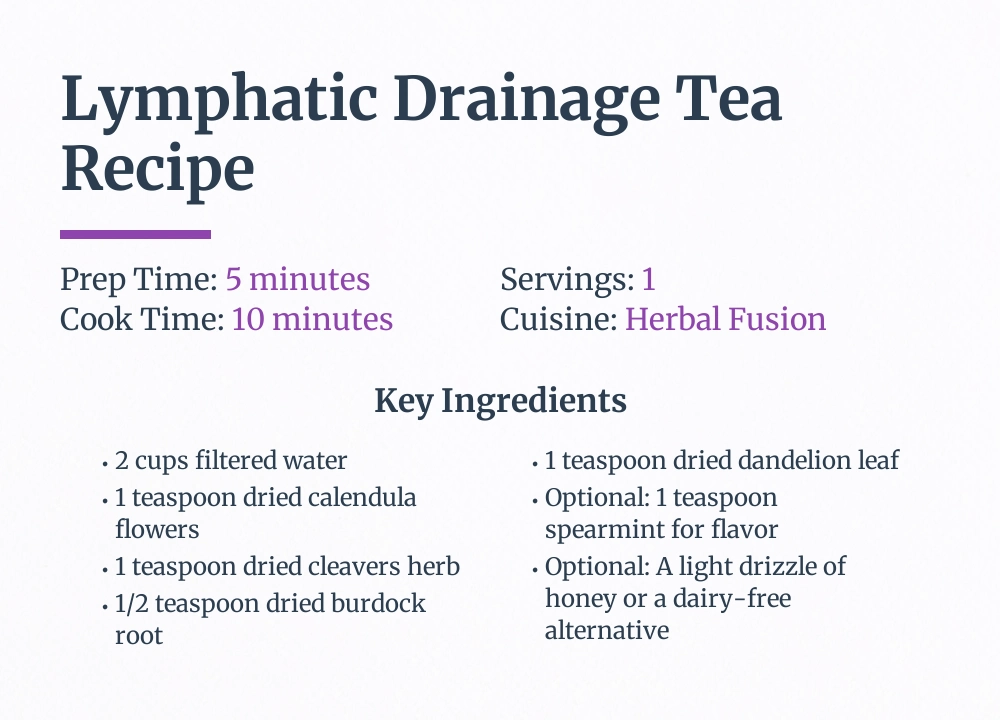
As an Amazon Associate, I may earn a small commission from qualifying purchases at no extra cost to you. This helps me create more valuable, tested content for you.
I recall a cool autumn morning when the weight of seasonal changes left me feeling sluggish and puffy. After years of studying nutrition, I turned to herbal remedies and crafted this lymphatic drainage tea in my kitchen. The gentle steam rising from the cup carried the earthy scent of burdock and the bright notes of calendula, instantly bringing a sense of renewal.
This recipes recipe is a simple blend of supportive herbs that encourage your body’s natural detoxification processes. You can easily prepare it at home with common ingredients. Let me share the method that has become a staple in my daily routine.
The core recipe involves steeping dried lymphatic herbs in hot water to create a soothing beverage. I will guide you through each step to ensure you achieve the best results.
How to Make Lymphatic Drainage Tea
This section provides the complete recipe for crafting your own lymphatic drainage tea. Follow these instructions carefully for a consistent and effective brew.
Recipe Details
- Prep Time: 5 minutes
- Cook Time: 10 minutes
- Servings: 1
- Course: Beverage
- Cuisine: Herbal Fusion
- Diet: Vegan, Gluten-Free
Ingredients
- 2 cups filtered water
- 1 teaspoon dried calendula flowers
- 1 teaspoon dried cleavers herb
- 1/2 teaspoon dried burdock root
- 1 teaspoon dried dandelion leaf
- Optional: 1 teaspoon spearmint for flavor
- Optional: A light drizzle of honey or a dairy-free alternative
Instructions
- Bring 2 cups of filtered water to a gentle boil in a small saucepan.
- Once boiling, reduce the heat to low and add the calendula, cleavers, burdock root, and dandelion leaf.
- Allow the herbs to simmer for 5-7 minutes, ensuring they are fully submerged.
- Remove the saucepan from heat and let the mixture steep for an additional 3 minutes.
- Strain the tea into a large cup, discarding the used herbs.
- If desired, add a touch of honey or a frothy milk alternative for extra flavor.
- Enjoy your tea warm for optimal benefits.
Nutrition
- Calories: 5 kcal
- Protein: 0.3 g
- Fat: 0.1 g
- Carbohydrates: 1 g
- Sugar: 0 g
- Fiber: 0.5 g
- Sodium: 2 mg
- Cholesterol: 0 mg
Cooking Method
This tea is prepared using a simple infusion method. You boil water and simmer the herbs to extract their active compounds. The process is gentle to preserve the delicate properties of the botanicals.
Simmering rather than a rolling boil prevents the destruction of volatile oils in the herbs. This ensures maximum potency and flavor in your final drink.
Tools Needed
- A small saucepan
- A fine mesh strainer
- A measuring spoon set
- A heat-resistant cup or mug
- Optional: A hand frother for creating a creamy texture with milk alternatives
Understanding Your Lymphatic System
Your lymphatic system is a vital part of your immune function. It consists of nodes, vessels, and fluid that work together to remove waste from your body.
This network helps transport lymph fluid, which carries cellular debris and toxins. When it flows efficiently, you may experience reduced swelling and improved energy levels.
Congestion in this system can lead to discomfort and a feeling of heaviness. Supporting its natural activity is key to overall wellness.
How Lymph Moves Through the Body
Lymph fluid relies on muscle movement and breathing for circulation. Unlike blood, it has no central pump like the heart.
Physical activity and deep breathing assist in pushing lymph through its pathways. This is why staying active complements the effects of lymphatic teas.
Benefits of This Herbal Tea
This tea supports the body’s innate detoxification mechanisms. The herbs work synergistically to promote lymphatic flow and waste elimination.
Regular consumption may help reduce fluid retention and support immune response. Many users report a sensation of lightness and clarity after incorporating it into their routine.
Supporting Immune Function
Ingredients like calendula and cleavers have properties that may enhance immune activity. They help the body process and remove unwanted materials.
This can lead to fewer instances of congestion and a stronger defense against environmental stressors.
Deep Ingredient Analysis
Each component in this tea has specific attributes that contribute to its overall effect. Understanding these will help you appreciate the blend’s complexity.
Calendula officinalis
Calendula flowers are known for their affinity with the lymphatic system. They originate from Mediterranean regions and have a slightly bitter, floral taste.
This herb supports skin health and internal membranes. Its vibrant orange petals are rich in flavonoids that aid in reducing inflammation.
Cleavers (Galium aparine)
Cleavers is a sprawling herb often found in temperate climates. It has a mild, grassy flavor and a history of use in European folk medicine.
It acts as a gentle lymphatic tonic, helping to move stagnant fluid. Its diuretic properties assist the kidneys in flushing out toxins.
Burdock Root (Arctium lappa)
Burdock root is a sturdy biennial plant with deep roots. It has an earthy, sweet taste and is commonly used in Asian and European traditions.
This root supports liver function and blood purification. It helps the body process metabolic waste, which indirectly benefits lymphatic health.
Dandelion Leaf (Taraxacum officinale)
Dandelion leaves are nutrient-dense and have a slightly bitter profile. They grow widely across many continents and are valued for their diuretic effects.
They promote kidney function and help balance fluid levels in the body. This reduces the burden on the lymphatic system.
Nutritional Science Explained
This tea provides minimal calories but is rich in bioactive compounds. The herbs contain antioxidants, vitamins, and minerals that support metabolic processes.
For instance, calendula offers carotenoids that convert to vitamin A. Cleavers provides silica, which strengthens connective tissues.
These nutrients work together to enhance cellular health and improve the efficiency of elimination pathways.
How Herbs Aid Detoxification
Detoxification is a natural process where the body neutralizes and removes waste. The herbs in this tea stimulate organs like the liver and kidneys.
They increase the production of enzymes that break down toxins. This allows for smoother transit through the lymphatic and circulatory systems.
Adapting the Recipe for Dietary Needs
This recipe is inherently vegan and gluten-free. However, you can make adjustments based on your preferences or restrictions.
Sweetener Variations
If you avoid honey, use maple syrup or stevia drops. These alternatives provide sweetness without altering the tea’s primary benefits.
For a completely sugar-free version, omit sweeteners entirely. The herbs have their own subtle flavors that can be enjoyed plain.
Herbal Substitutions
If cleavers is unavailable, you can use red clover blossoms. Both herbs support lymphatic function and have a similar mild taste.
For a caffeine-free option, avoid adding any tea leaves. The base herbs are naturally stimulating without caffeine.
Historical Roots of Herbal Lymphatic Care
Herbalists have used plants like burdock and calendula for centuries. These remedies were common in ancient Greek and Chinese medicine.
Traditional practices often combined herbs with massage and dry brushing. This holistic approach recognized the interconnectedness of body systems.
In modern times, scientific research has begun to validate these historical uses. Studies show that certain herbs can indeed modulate immune response.
Avoiding Common Preparation Errors
Many people make the mistake of using boiling water on delicate herbs. This can destroy their volatile oils and reduce potency.
Always use a gentle simmer rather than a vigorous boil. Steep the herbs for the recommended time to ensure full extraction.
Store dried herbs in an airtight container away from light. This preserves their freshness and effectiveness for future use.
Expert Tips for Best Results
Measure your herbs accurately using a teaspoon. Inconsistent amounts can lead to uneven flavor and effect.
If you prefer a stronger brew, increase the steeping time by a minute. Avoid over-steeping, as it may make the tea overly bitter.
Pair this tea with other lymphatic practices like dry brushing. This creates a comprehensive routine for optimal results.
Serving Suggestions and Storage
Drink this tea warm in the morning or evening. It pairs well with light meals that are easy to digest.
You can also chill it and serve over ice for a refreshing cold beverage. Add a slice of lemon for a citrus twist.
Store any leftover tea in a sealed container in the refrigerator. Consume within 24 hours for the best quality.
Complementary Practices
Combine this tea with neck and chest massage to enhance lymphatic flow. Gentle circular motions can stimulate the nodes in these areas.
Dry brushing before showering is another supportive technique. It helps exfoliate the skin and encourage circulation.
The Biochemistry of Herbal Action
Herbs like burdock contain inulin, a prebiotic fiber that supports gut health. A healthy gut microbiome is linked to improved immune function.
Calendula’s flavonoids act as antioxidants, protecting cells from oxidative stress. This reduces inflammation and supports tissue repair.
These biochemical interactions explain why the tea can promote a sense of well-being. They highlight the importance of using high-quality, organic herbs.
Frequently Asked Questions
What is lymphatic drainage tea?
Lymphatic drainage tea is an herbal beverage made from plants that support the lymphatic system. It helps the body remove waste and reduce fluid retention.
Why should I drink this tea regularly?
Regular consumption can maintain lymphatic flow and support immune health. It may prevent congestion and promote overall vitality.
How does this tea work in the body?
The herbs stimulate lymphatic vessels and organs involved in detoxification. They encourage the movement of lymph fluid and the elimination of toxins.
Can I use fresh herbs instead of dried?
Yes, but double the amount since fresh herbs have higher water content. Ensure they are clean and free from pesticides.
Are there any side effects?
This tea is generally safe, but consult a healthcare provider if you have medical conditions. Start with a small serving to assess tolerance.
How long until I see results?
Effects vary, but many people notice improvements within a few weeks. Consistency is key for lasting benefits.
Can I drink this tea while pregnant?
It is best to avoid herbal teas during pregnancy without professional guidance. Some herbs may not be suitable for this condition.
What does burdock root taste like?
Burdock root has an earthy, slightly sweet flavor similar to artichoke. It blends well with other herbs in the recipe.
Is this tea caffeine-free?
Yes, all ingredients are naturally free from caffeine. It is safe to drink at any time of day.
Can I add milk to this tea?
You can add dairy or plant-based milk for a creamier texture. Use a frother to create a light foam if desired.