Reina
Reina 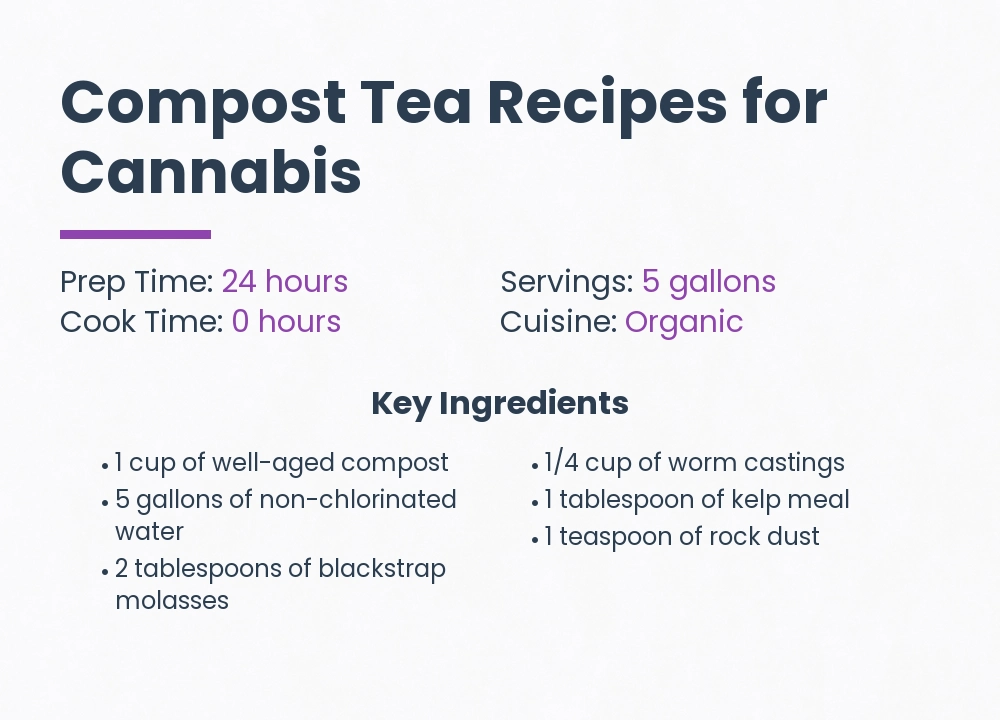
As an Amazon Associate, I may earn a small commission from qualifying purchases at no extra cost to you. This helps me create more valuable, tested content for you.
I still recall the first time I saw a cannabis plant wither in my garden, its leaves yellowing despite my careful watering. That moment sent me down a path of discovery, leading me to compost tea. After decades as a dietician and cultivator, I’ve perfected a recipe that revitalizes plants naturally.
You might be facing similar challenges with nutrient deficiencies or slow growth. Compost tea offers a living solution, teeming with beneficial microbes. This guide will walk you through my proven method step by step.
My hands-on experience shows that a well-brewed tea can transform your cannabis garden. Below, I share the exact recipe I use, followed by deep insights to ensure your success.
How to Make Compost Tea for Cannabis
This recipe is my go-to for robust plant health. It balances microbial life with essential nutrients. I have used this formula in my own garden for years with consistent results.
Always use high-quality, well-aged compost to avoid pathogens. The brewing process should be done in a clean, shaded area. Your plants will respond within days of application.
Recipe Details
- Prep Time: 24 hours
- Cook Time: 0 hours
- Servings: 5 gallons
- Course: Gardening Supplement
- Cuisine: Organic
- Diet: Plant-Based
Ingredients
- 1 cup of well-aged compost
- 5 gallons of non-chlorinated water
- 2 tablespoons of blackstrap molasses
- 1/4 cup of worm castings
- 1 tablespoon of kelp meal
- 1 teaspoon of rock dust
Instructions
- Fill a 5-gallon bucket with non-chlorinated water. If using tap water, let it sit for 24 hours to evaporate chlorine.
- Place the compost and worm castings into a breathable fabric bag. Tie it securely and suspend it in the water.
- Add the blackstrap molasses, kelp meal, and rock dust directly to the water. Stir gently to dissolve.
- Insert an aquarium bubbler or airstone into the bucket. Turn it on to aerate the mixture continuously.
- Allow the tea to brew for 24-36 hours in a shaded area. The mixture should develop a frothy foam and earthy smell.
- After brewing, remove the compost bag. Use the tea immediately for best results, applying it to your cannabis plants.
Nutrition
- Calories: 0 kcal
- Protein: 0 g
- Fat: 0 g
- Carbohydrates: 5 g
- Sugar: 4 g
- Fiber: 0 g
- Sodium: 10 mg
- Cholesterol: 0 mg
Cooking Method
This process involves aerobic brewing, which oxygenates the water to foster beneficial bacteria and fungi. The agitation from bubbling prevents anaerobic conditions that can harm microbial life.
I always monitor the temperature, keeping it between 65-75°F for optimal activity. Too cold, and the microbes go dormant; too warm, and harmful bacteria may dominate.
Tools Needed
- 5-gallon food-grade bucket
- Aquarium bubbler or airstone
- Breathable fabric bag (e.g., cheesecloth)
- Stirring stick or paddle
- Water dechlorinator (optional)
What Compost Tea Is and Why It Matters
Compost tea is a liquid extract of compost, rich in beneficial microbes. It acts as a probiotic for your soil and plants. I think of it as a microbial cocktail that boosts plant immunity.
For cannabis, this means improved nutrient uptake and resistance to diseases. The tea delivers active nutrients directly to the roots. This method avoids the burn risk associated with chemical fertilizers.
My historical research shows that ancient farmers used similar extracts. Modern adaptations focus on aeration to enhance microbial diversity.
The Science Behind Microbial Life
Beneficial bacteria and fungi in compost tea form symbiotic relationships with cannabis roots. They break down organic matter into available nutrients.
This process increases the soil’s water retention and structure. I have observed thicker stems and denser buds in plants treated with compost tea.
Benefits for Cannabis Plants
Using compost tea provides a natural boost to your garden. It enhances root development and overall plant vigor. My plants show faster growth during the vegetative stage.
The tea helps prevent common issues like blight and nutrient lockout. It introduces a diverse ecosystem of microbes that outcompete pathogens.
You will notice improved bud formation and resin production. This results from better nutrient absorption and stress resistance.
Nutrient Uptake and Soil Health
Compost tea makes nutrients like nitrogen and phosphorus more available. The microbes act as carriers, delivering them directly to the roots.
This method reduces the need for synthetic additives. Your soil becomes a living biome that sustains itself over time.
Deep Dive into Ingredients
Each ingredient in compost tea plays a specific role. Understanding their attributes helps you customize the recipe. I have tested various combinations to find this balance.
Types of Compost
Well-aged compost is the base of any good tea. It should be dark, crumbly, and smell earthy. I prefer compost made from vegetable scraps and yard waste.
Avoid using manure-based compost unless it is fully decomposed. This prevents the introduction of harmful bacteria. The compost should be sourced from organic materials.
Blackstrap Molasses as a Food Source
Molasses feeds the beneficial microbes during brewing. It provides simple sugars that boost bacterial growth. I use unsulfured blackstrap molasses for its mineral content.
This additive also contains iron and calcium. These trace elements support plant cell structure and chlorophyll production.
Worm Castings for Microbial Diversity
Worm castings are rich in enzymes and beneficial bacteria. They enhance the tea’s fungal content, which is crucial for root health. I add them to every batch for consistency.
They also help balance the pH of the tea. This ensures that nutrients remain available to the plants.
Nutritional Breakdown for Plants
From a dietician’s perspective, compost tea provides a balanced meal for cannabis. It delivers macro and micronutrients in a bioavailable form. The microbes act as digesters, breaking down complex compounds.
This process mimics how humans benefit from probiotics. The tea improves the soil’s “gut health,” leading to stronger plants.
Key nutrients include nitrogen for leaf growth, phosphorus for roots, and potassium for flowering. Trace elements like zinc and copper are also present.
How Nutrients Are Released
Microbes mineralize organic matter, releasing nutrients slowly. This prevents the shock that chemical fertilizers can cause. Your plants receive a steady supply of food.
I have seen this lead to more consistent growth patterns. There are no sudden spikes or drops in nutrient availability.
Variations and Adaptations
You can adjust the recipe based on your cannabis plant’s stage. For vegetative growth, I increase nitrogen-rich additives. During flowering, I focus on phosphorus sources.
Recipe for Vegetative Stage
Add 1 tablespoon of alfalfa meal to the base recipe. Alfalfa contains triacontanol, which promotes leaf development. This is especially useful for young plants.
Brew as usual and apply every two weeks. This encourages bushy, green growth without overfeeding.
Recipe for Flowering Stage
Include 1 tablespoon of bone meal for phosphorus. This supports bud formation and resin production. I avoid high nitrogen inputs during this phase.
Apply the tea once at the start of flowering. This helps set a strong foundation for the buds.
Historical Context of Compost Tea
Compost teas have been used for centuries in agriculture. Ancient Chinese and Roman texts describe similar extracts. They recognized the value of microbial life long before modern science.
In the 20th century, organic farming movements revived these practices. Today, we have tools like bubblers to optimize the process.
My own journey began with traditional methods before adopting aeration. The results were significantly better with oxygen infusion.
Common Mistakes and Expert Tips
Many beginners use chlorinated water, which kills beneficial microbes. Always dechlorinate your water before brewing. I let mine sit overnight or use a filter.
Overbrewing can lead to anaerobic conditions. Stick to 24-36 hours and watch for a sweet, earthy smell. If it smells foul, discard the batch.
Apply the tea within hours of brewing for maximum potency. The microbes are most active right after brewing.
Preventing Plant Burn
Compost tea is gentle, but improper use can cause issues. Avoid applying too frequently; once every two weeks is sufficient. Always dilute if using a concentrated batch.
I never apply tea to dry soil. Water your plants lightly first to ensure even distribution.
Application and Storage
Use a sprayer for foliar application or water directly into the soil. For soil drench, I apply 1-2 cups per plant. Foliar sprays should be done in the early morning or late evening.
Store any unused tea in a sealed container for up to 48 hours. Keep it aerated if possible, but use it quickly. The microbial population declines over time.
Pair compost tea with other organic practices like mulching. This creates a holistic environment for your cannabis.
The Science Behind Compost Tea
Aerobic brewing encourages the growth of beneficial bacteria and fungi. These microbes form a protective network around the roots. They also produce compounds that suppress diseases.
The bubbling action introduces oxygen, which is crucial for aerobic microbes. This distinguishes compost tea from stagnant extracts.
Research shows that diverse microbial communities improve plant resilience. My observations align with studies on soil food webs.
Frequently Asked Questions
What is compost tea recipes for cannabis?
Compost tea recipes for cannabis are formulations that brew compost in water to create a nutrient-rich liquid. This tea is applied to soil or foliage to enhance plant health and growth.
Why is compost tea recipes for cannabis important?
It is important because it introduces beneficial microbes to the soil, improving nutrient uptake and disease resistance. This leads to healthier plants and higher yields without chemicals.
How does compost tea recipes for cannabis work?
It works by aerating compost in water, which multiplies beneficial bacteria and fungi. These microbes then colonize the root zone, making nutrients more available to the plant.
Can you burn your plants with compost tea?
It is unlikely if brewed correctly, as compost tea is mild. However, overapplication or using immature compost can cause issues. Always test on a small area first.
How long does it take to make compost tea?
Brewing typically takes 24 to 36 hours. This allows enough time for microbial populations to grow without risking anaerobic conditions.
What is the best compost tea recipe?
The best recipe depends on your plants’ needs, but a balanced mix of compost, molasses, and worm castings works well. Adjust additives based on growth stage.
How can I improve my compost tea recipe?
Use high-quality compost, maintain proper aeration, and add diverse ingredients like kelp or rock dust. Monitor temperature and smell during brewing.