Reina
Reina 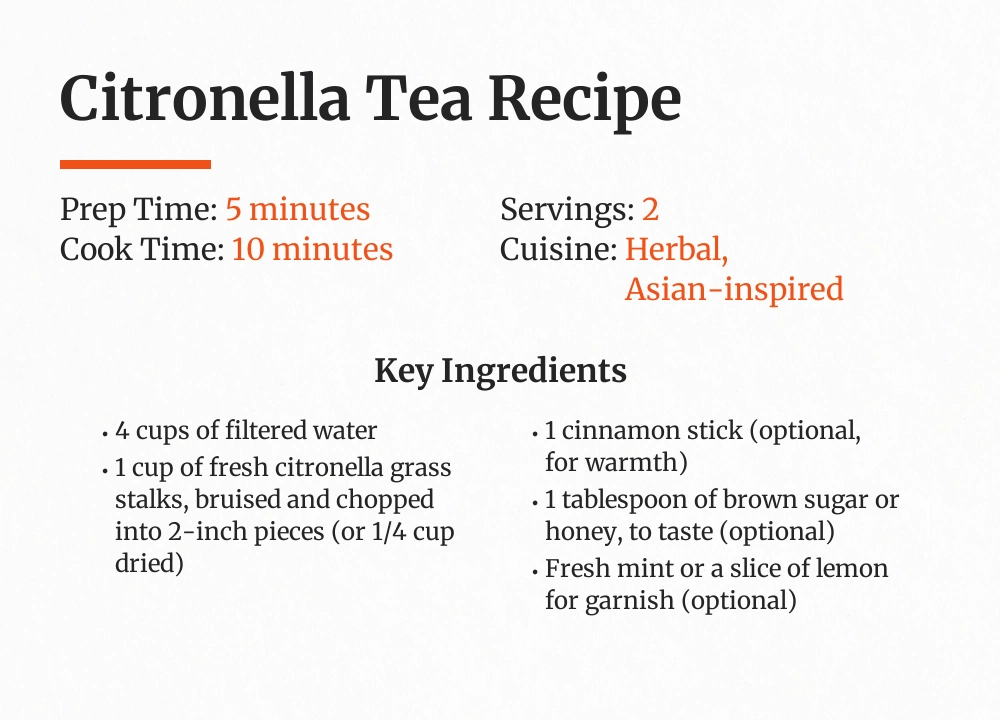
As an Amazon Associate, I may earn a small commission from qualifying purchases at no extra cost to you. This helps me create more valuable, tested content for you.
I still recall the first time I encountered citronella tea during a research trip to Southeast Asia. The humid air was thick with mosquitoes, and a local host offered me a steaming cup from a pot simmering on the stove. Its sharp, lemon-like aroma cut through the evening, and after a few sips, I noticed the insects kept their distance. That experience transformed my understanding of this plant from a simple candle ingredient into a versatile herbal ally.
You might have citronella growing in your garden for pest control, but its leaves and stalks can be transformed into a refreshing, health-promoting tea. This recipe guides you through making a basic citronella tea, which serves as a base for countless variations. The process is straightforward, requiring only a few fresh or dried ingredients and some simple kitchen tools.
At its core, this beverage is an herbal infusion made from the leaves and stems of the citronella plant, distinct from the more common lemongrass tea. It is naturally caffeine-free, rich in antioxidants, and carries a bright, citrusy flavor profile that can be enjoyed hot or cold. Let’s begin with the foundational recipe before exploring its many facets.
How to Make Citronella Tea Recipe
This section provides the complete, step-by-step method for creating a classic cup of citronella tea. The instructions are designed for clarity and repeatable success, whether you are new to herbal teas or an experienced brewer.
Recipe Details
- Prep Time: 5 minutes
- Cook Time: 10 minutes
- Servings: 2
- Course: Beverage
- Cuisine: Herbal, Asian-inspired
- Diet: Vegan, Gluten-Free
Ingredients
- 4 cups of filtered water
- 1 cup of fresh citronella grass stalks, bruised and chopped into 2-inch pieces (or 1/4 cup dried)
- 1-inch piece of fresh ginger, thinly sliced (optional, for extra zing)
- 1 cinnamon stick (optional, for warmth)
- 1 tablespoon of brown sugar or honey, to taste (optional)
- Fresh mint or a slice of lemon for garnish (optional)
Instructions
- Begin by preparing the citronella grass. Use the back of a knife to gently bruise the stalks, which helps release their essential oils and intensifies the flavor.
- In a medium saucepan, pour the water and bring it to a rolling boil over high heat.
- Add the bruised citronella grass, along with the ginger and cinnamon stick if using. Reduce the heat to low, cover the saucepan, and let it simmer for 8-10 minutes.
- After simmering, remove the pan from the heat. Allow the mixture to steep for an additional 3-5 minutes, depending on how strong you prefer your tea.
- Strain the tea into a carafe or directly into cups, discarding the solid pieces.
- Stir in your chosen sweetener until fully dissolved. Garnish with fresh mint or a lemon slice for an added aromatic touch.
- Serve immediately while hot, or let it cool to room temperature before transferring to the refrigerator for a chilled version.
Nutrition
- Calories: 15 kcal
- Protein: 0 g
- Fat: 0 g
- Carbohydrates: 4 g
- Sugar: 3 g
- Fiber: 0 g
- Sodium: 5 mg
- Cholesterol: 0 mg
Cooking Method
The primary technique used here is infusion through simmering and steeping. Simmering the citronella grass in water over low heat allows its cell walls to break down, releasing compounds like citronellal and geraniol into the liquid. The subsequent steeping period, off the heat, ensures a full extraction of flavors and bioactive components without boiling away the more volatile aromatic oils.
Tools Needed
- A medium-sized saucepan with a lid
- A sharp knife and cutting board
- A fine-mesh strainer or cheesecloth
- A measuring cup and spoons
- A carafe or teapot for serving
Understanding Citronella and Its Distinction
Many people confuse citronella with its close relative, lemongrass. While both belong to the Cymbopogon genus and share a citrusy aroma, they are different species with unique chemical profiles. Citronella, specifically Cymbopogon nardus or winterianus, is characterized by its higher concentration of citronellal, the compound responsible for its renowned insect-repelling qualities.
Lemongrass, or Cymbopogon citratus, contains more citral, which gives it a sweeter, more lemon-like flavor preferred in culinary dishes. For this tea, using true citronella grass is ideal for maximizing the intended benefits, though lemongrass can be a pleasant substitute if citronella is unavailable.
Primary Health Benefits of Citronella Infusion
Drinking tea made from citronella grass offers several potential advantages backed by traditional use and emerging scientific inquiry. It is important to view these as supportive to a balanced diet rather than as cures for specific conditions.
Insect Repellent Properties
The most celebrated attribute of citronella is its ability to deter insects like mosquitoes. When you consume the tea, some of the aromatic compounds are released through your pores, creating a subtle, personal repellent effect. This is complemented by the plant’s direct use in outdoor sprays and candles.
Antimicrobial and Antifungal Activity
Research, including studies cited in journals like Biodiversitas, indicates that citronella oil exhibits activity against various bacteria and fungi. A 2019 paper highlighted its effect against strains like Staphylococcus aureus and Candida albicans. While drinking the tea provides a diluted form, it may contribute to supporting the body’s natural defenses.
Support for Relaxation and Digestion
The aroma of citronella has a calming effect on the nervous system, which can aid in reducing stress. Additionally, the ginger often added to the recipe can help soothe digestive discomfort and alleviate minor cramping.
Ingredient Analysis and Selection
Each component in this recipe plays a specific role in the final beverage’s flavor, aroma, and therapeutic potential. Choosing high-quality ingredients is crucial for the best results.
Citronella Grass: Fresh vs. Dried
Fresh citronella grass, often available in Asian grocery stores or garden centers, provides the most vibrant and potent flavor. Look for firm, green stalks with a strong citrus smell. Dried citronella is a suitable alternative, especially outside its growing season, but it may have a slightly muted aroma. To substitute, use about one-quarter the amount of dried grass compared to fresh.
The Role of a Tea Base
While the recipe above is for a pure herbal tea, you can blend citronella with other teas. A robust black tea base adds depth and a caffeine kick, suitable for a morning drink. A delicate green tea creates a lighter, more antioxidant-rich beverage. If you add a tea base, steep it separately according to its specific instructions to avoid bitterness, then combine with the citronella infusion.
Sweeteners and Flavor Enhancers
Brown sugar introduces a molasses-like warmth that complements the citrus notes. Honey offers its own antimicrobial properties and a floral sweetness. For a sugar-free version, stevia is an effective alternative. Ingredients like ginger and cinnamon not only add flavor but also contribute their own health-supporting compounds, such as gingerol from ginger.
Nutritional Breakdown of Citronella Tea
As an herbal infusion, this tea is very low in macronutrients, making it an excellent choice for those monitoring caloric intake. The primary value comes from the trace amounts of vitamins, minerals, and phytochemicals extracted during brewing.
Citronella contains compounds like flavonoids and phenolic acids, which act as antioxidants. These substances help neutralize free radicals in the body, potentially reducing oxidative stress. The ginger adds a small amount of magnesium and potassium.
The tea contains no fat or protein and minimal carbohydrates, primarily from any added sweetener. The values listed in the nutrition facts assume one teaspoon of brown sugar per serving. Without sweeteners, the calorie count is nearly zero.
Dietary Adaptations and Variations
This recipe is inherently versatile and can be modified to suit various dietary needs and taste preferences without compromising its core identity.
For a Vegan Preparation
The base recipe is already vegan. Ensure that any sweetener used, like sugar, is not processed with bone char. Agave syrup or maple syrup are excellent plant-based alternatives to honey.
Low-Sugar and Diabetic-Friendly Version
Simply omit the sweetener entirely. The natural citrusy notes of citronella are enjoyable on their own. You can enhance the flavor with a splash of citrus juice from a lemon or orange instead.
Creating Different Infusions
For an iced version, brew a double-strength batch, let it cool, and serve over ice. You can create a “citronella green tea latte” by blending the chilled tea with almond milk or coconut milk. Adding a basil leaf during the steeping process introduces an intriguing, savory layer to the aroma.
Cultural and Historical Context
The use of citronella grass has deep roots in tropical regions of Asia, particularly in countries like Sri Lanka, Indonesia, and Thailand. For centuries, it has been integral to traditional medicine systems like Ayurveda, not only as a tea but also in poultices and aromatherapy.
Historically, it was valued for its ability to purify the air and ward off insects in living spaces. The practice of drinking the tea likely evolved from these uses, as people discovered its internal benefits. In the Caribbean, it was introduced and adopted for similar purposes, often found growing wild or in home gardens.
Common Mistakes and Expert Tips
Avoid overboiling the citronella grass, as excessive heat can destroy its delicate aromatic compounds and lead to a bitter taste. Simmering is the key. Another frequent error is using woody, old stalks which have less oil content; always select the freshest available.
Bruising the grass thoroughly before adding it to the water is a critical step that is often rushed. Press down firmly with the flat side of a knife to crush the stalks, which you will hear and smell as the oils release. If you find the flavor too intense, you can dilute the brewed tea with more hot water.
For the best aroma, do not cover the tea tightly while it cools, as this can trap steam and make the scent less vibrant. When storing leftovers in the refrigerator, use a glass bottle with a lid, and consume within 48 hours for optimal freshness.
Serving, Pairing, and Storage Guidance
Serve hot citronella tea in a pre-warmed cup to maintain its temperature and aroma. It pairs wonderfully with light, savory foods like a Vietnamese vermicelli bowl or grilled chicken, as its citrusy profile can cut through richer flavors.
For an afternoon refreshment, the iced version is excellent with fresh fruit or a simple salad. To store, keep the strained tea in a sealed container in the refrigerator. I do not recommend freezing, as it can alter the delicate flavor notes and cause separation.
The Science Behind Citronella’s Properties
The insect-repelling and antimicrobial actions of citronella are primarily due to its essential oil components, citronellal and geraniol. These compounds interfere with the olfactory receptors of insects and disrupt the cell membranes of certain bacteria and fungi.
A study published in Acta Odontologica Scandinavica explored its anti-biofilm activity, which relates to its ability to prevent microbial colonies from forming. When you drink the tea, these compounds are metabolized, and while their concentration is low, they may still offer supportive systemic effects.
Frequently Asked Questions
What is citronella tea recipe?
It is a method for preparing a beverage by infusing water with citronella grass. The process involves simmering the plant material to extract its flavors, aromas, and beneficial compounds, resulting in a caffeine-free herbal drink.
Why is citronella tea recipe important?
This recipe is important because it provides a way to utilize the citronella plant beyond topical applications. It allows for the internal consumption of its compounds, which may support relaxation, offer mild digestive aid, and contribute to a natural insect repellent strategy.
How does citronella tea recipe work?
The recipe works through the principle of infusion. Heat and water act as solvents, pulling the volatile oils and water-soluble compounds from the citronella grass into the liquid. This creates a palatable tea that carries the plant’s characteristic properties.
Can I use citronella essential oil to make the tea?
No, it is not safe to ingest essential oils unless they are specifically labeled as food-grade and used under expert guidance. The tea should only be made from the fresh or dried plant material itself, not from concentrated oil bottles.
What does citronella tea taste like?
It has a dominant citrus flavor, similar to lemon, but with a sharper, more herbaceous and slightly woody undertone. The taste is bright and refreshing, especially when enhanced with ginger or cinnamon.
Is citronella tea safe for children and pregnant women?
While generally considered safe in culinary amounts, it is prudent for pregnant women, nursing mothers, and young children to consult with a healthcare provider before consuming herbal teas regularly, including citronella tea, due to limited specific studies.
How often can I drink this tea?
For most people, enjoying one to two cups per day is reasonable. As with any herbal product, moderation is key. Listen to your body and reduce intake if you experience any adverse reactions.
Can this tea help with wound healing?
While some research, such as a study on its “anti-candidiasis mediated wound healing property,” shows promise for topical applications, drinking the tea provides a systemic, diluted effect. It should not be considered a direct treatment for wounds.
Where can I buy citronella grass?
You can find fresh citronella grass at well-stocked Asian markets, some health food stores, or online retailers that specialize in herbal products. Dried citronella is also available through online herb suppliers.