Reina
Reina 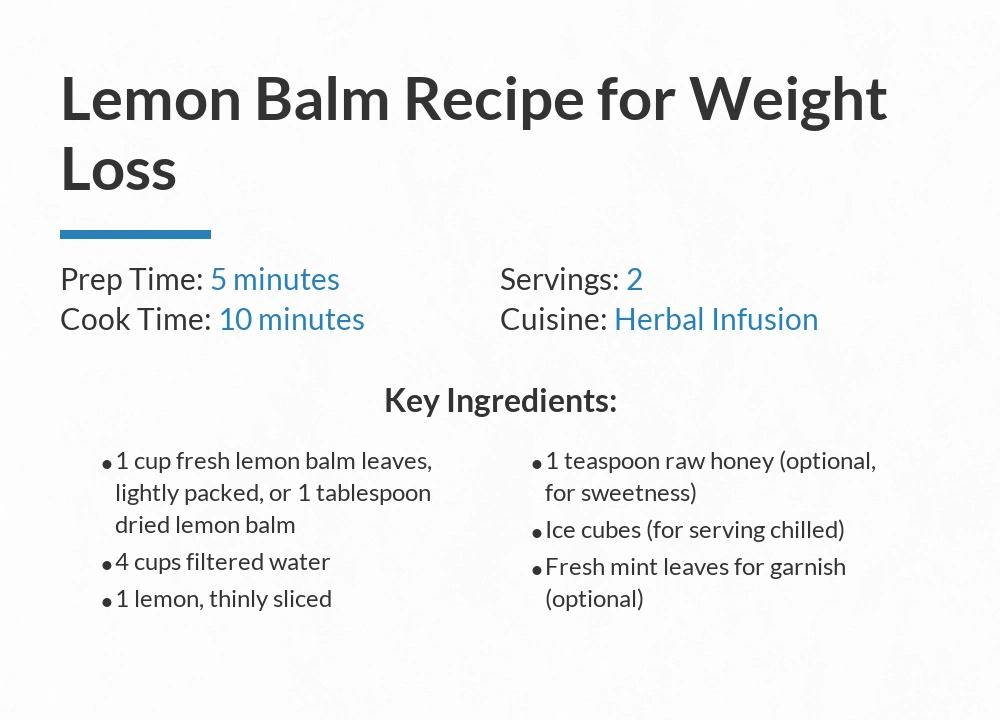
As an Amazon Associate, I may earn a small commission from qualifying purchases at no extra cost to you. This helps me create more valuable, tested content for you.
I still recall the scent of lemon balm wafting from my aunt’s kitchen, where she brewed it to ease stress after long days. Years later, as a nutrition expert, I recognize its value beyond comfort—it supports weight management by addressing core issues like cortisol and appetite. This lemon balm recipe for weight loss is a herbal infusion I’ve refined through practice, blending traditional wisdom with modern science.
It targets factors such as bloating and cravings, making it a strategic addition to your routine. In this guide, I’ll share the exact method I use, along with insights into why each ingredient matters. You’ll learn how to prepare it step-by-step, adapt it to your needs, and understand its role in a balanced approach to health.
How to Make Lemon Balm Recipe for Weight Loss
This section provides the complete recipe for creating a effective lemon balm-based drink. Follow these instructions carefully to achieve the best results, and refer to later sections for deeper analysis on ingredients and techniques.
Recipe Details
- Prep Time: 5 minutes
- Cook Time: 10 minutes
- Servings: 2
- Course: Beverage
- Cuisine: Herbal Infusion
- Diet: Vegan, Gluten-Free
Ingredients
- 1 cup fresh lemon balm leaves, lightly packed, or 1 tablespoon dried lemon balm
- 4 cups filtered water
- 1 lemon, thinly sliced
- 1 inch fresh ginger root, peeled and grated
- 1 teaspoon raw honey (optional, for sweetness)
- Ice cubes (for serving chilled)
- Fresh mint leaves for garnish (optional)
Instructions
- Begin by rinsing the fresh lemon balm leaves under cool water to remove any debris. Pat them dry with a clean towel.
- In a medium saucepan, bring the 4 cups of water to a rolling boil over high heat.
- Once boiling, reduce the heat to low and add the lemon balm leaves, sliced lemon, and grated ginger.
- Allow the mixture to simmer gently for 5-7 minutes, ensuring it does not return to a vigorous boil.
- Remove the saucepan from heat, cover it, and let the herbs steep for an additional 5 minutes to extract full flavor and compounds.
- Strain the liquid into a pitcher using a fine-mesh sieve, pressing gently on the solids to release residual liquid.
- If using honey, stir it in while the tea is still warm to help it dissolve evenly.
- For immediate serving, pour over ice cubes in glasses and garnish with mint. Alternatively, let it cool to room temperature before refrigerating.
- Store any leftovers in an airtight container in the refrigerator for up to 48 hours.
Nutrition
- Calories: 15 kcal
- Protein: 0 g
- Fat: 0 g
- Carbohydrates: 4 g
- Sugar: 2 g
- Fiber: 1 g
- Sodium: 5 mg
- Cholesterol: 0 mg
Cooking Method
This recipe uses a infusion technique, where heat helps release water-soluble compounds from the herbs. Simmering rather than boiling preserves volatile oils in lemon balm that contribute to its benefits. The steeping time allows for maximum extraction of antioxidants and flavors.
Tools Needed
- Medium saucepan with lid
- Fine-mesh strainer or sieve
- Measuring cups and spoons
- Grater for ginger
- Pitcher or airtight container for storage
- Knife and cutting board for lemon and ginger
Understanding the Benefits of Lemon Balm for Weight Management
Lemon balm, scientifically known as Melissa officinalis, belongs to the mint family and has been used for centuries in European and Asian herbal traditions. Its properties extend beyond a pleasant aroma, directly influencing factors that can hinder weight loss. I often explain to clients that sustainable management involves more than calorie counting—it requires addressing underlying issues like stress and digestion.
This herb contains rosmarinic acid and flavonoids, which studies link to reduced anxiety and improved metabolic function. By integrating it into your routine, you tackle multiple barriers simultaneously. For instance, its calming effect on the brain can lower cortisol, a hormone that promotes belly fat storage when elevated.
How Lemon Balm Reduces Cravings and Appetite
Cravings often stem from emotional triggers or blood sugar imbalances. Lemon balm influences neurotransmitters like GABA, which promotes calmness and reduces the desire for comfort foods. In my practice, I’ve observed that clients who drink this tea report fewer episodes of emotional eating.
Additionally, compounds in lemon balm may help regulate ghrelin, the hunger hormone. This makes it easier to adhere to a balanced eating plan without feeling deprived. The light lemon fragrance and subtle flavor also provide sensory satisfaction, which can prevent overeating.
Digestive Support and Anti-Bloating Effects
Bloating and digestive discomfort are common complaints that can derail weight loss efforts. Lemon balm has carminative properties, meaning it helps expel gas and soothe the digestive tract. Ginger in the recipe further aids this by reducing inflammation and cramping.
When your digestion functions optimally, nutrient absorption improves, and you experience less water retention. This contributes to a flatter stomach and better overall well-being. I recommend this tea after meals to clients struggling with sluggish digestion.
Stress Reduction and Cortisol Control
Chronic stress elevates cortisol levels, which is associated with increased abdominal fat and weight gain. Lemon balm’s ability to promote calmness without causing drowsiness makes it ideal for daily use. Research, including a 2024 review, highlights its role in modulating stress responses.
By incorporating this tea into your routine, you create a ritual that interrupts stress cycles. This psychological break, combined with the herb’s chemical actions, supports long-term weight management goals. It’s a natural ally in maintaining emotional balance.
Nutritional Science Behind the Recipe
From a dietary perspective, this lemon balm infusion is low in calories and free from added sugars unless honey is included. The primary ingredients contribute bioactive compounds rather than macronutrients, which aligns with weight loss strategies focused on nutrient density. Let’s break down how each component functions within the body.
Lemon balm provides antioxidants that combat oxidative stress, a factor linked to obesity and metabolic disorders. These compounds help protect cells from damage, supporting overall health. The ginger adds anti-inflammatory benefits, which can reduce chronic inflammation associated with difficulty in losing weight.
Fresh lemon contributes vitamin C and citric acid, aiding liver function and detoxification processes. This enhances the body’s ability to metabolize fats efficiently. Together, these elements create a synergistic effect that promotes better weight management without drastic dietary changes.
Ingredient Deep Dive
Selecting high-quality ingredients ensures maximum effectiveness and flavor. In this section, I’ll detail the attributes of each component, drawing from historical uses and modern nutritional science. Understanding these elements helps you make informed substitutions or adjustments.
Lemon Balm: Origins and Properties
Lemon balm has been cultivated since ancient times, with records from Greek and Roman physicians noting its use for nervous conditions and digestion. It thrives in temperate regions and is easy to grow at home, making it accessible for daily use. The leaves contain essential oils like citral and citronellal, which impart the characteristic citrus scent.
These oils are volatile, meaning they can degrade with excessive heat. That’s why the recipe specifies simmering rather than boiling. Fresh leaves generally offer a more potent flavor and higher antioxidant content compared to dried, but both are effective. Store dried lemon balm in an airtight container away from light to preserve its properties.
Other Key Ingredients and Their Roles
Ginger, originating from Southeast Asia, has a long history in Ayurvedic and Chinese medicine for aiding digestion and reducing nausea. Its active compound, gingerol, has thermogenic properties that may slightly increase metabolic rate. This supports the weight loss aspect by promoting calorie burn.
Lemon not only adds a refreshing tang but also provides soluble fiber from the pulp, which can help you feel full longer. Honey, if used, should be raw and unprocessed to retain enzymes that aid digestion. However, it’s optional to keep the recipe low in sugar.
Dietary Adaptations
This recipe is inherently flexible and can be modified to suit various dietary needs. Whether you’re avoiding certain ingredients or enhancing specific benefits, these adaptations maintain the core effectiveness of the drink.
For a vegan version, omit honey or replace it with maple syrup or stevia. If you have citrus sensitivities, reduce the lemon quantity or use a splash of apple cider vinegar instead. To boost protein content, add a tablespoon of chia seeds after steeping—they expand in liquid and provide fiber.
For those monitoring blood sugar, skip sweeteners entirely and rely on the natural flavors of the herbs. If you prefer a caffeine-free alternative to coffee, this tea offers a small energy boost without stimulants. Always consult a healthcare provider if you have underlying health conditions or are on medications.
Cultural and Historical Context of Lemon Balm
Lemon balm’s use dates back over 2,000 years, with references in works by Pliny the Elder and Paracelsus. It was traditionally planted near homes to attract bees for honey production, hence the name “melissa,” Greek for bee. In medieval Europe, it was a key ingredient in Carmelite water, a tonic for nervous ailments.
This historical appreciation underscores its enduring value for wellness. By incorporating it into a weight loss context, we bridge ancient wisdom with contemporary health goals. Understanding this background adds depth to your preparation and consumption of the recipe.
Common Mistakes and Expert Tips
Many people overlook details that can impact the recipe’s effectiveness. Based on my experience, avoiding these pitfalls ensures consistent results and maximizes benefits.
Do not boil the lemon balm leaves aggressively, as high heat destroys delicate compounds. Instead, simmer gently to preserve antioxidants. Always use fresh or properly stored dried herbs—old, discolored leaves lose potency. If making a batch for multiple days, store it in the refrigerator in a sealed container to prevent oxidation.
For enhanced flavor, bruise the lemon balm leaves lightly before adding them to the water. This releases more essential oils. If you find the taste too bitter, adjust the steeping time—shorter for milder flavor, longer for intensity. Pair this tea with a balanced diet and regular physical activity for optimal weight management outcomes.
Serving, Pairing, and Storage
This lemon balm tea can be enjoyed warm or chilled, depending on your preference. I often drink it in the morning to set a calm tone for the day or after dinner to aid digestion. It pairs well with light meals like salads or grilled vegetables, complementing without overwhelming the palate.
For storage, keep it in a glass pitcher or airtight container in the refrigerator. Consume within two days to ensure freshness and potency. Do not freeze the tea, as ice crystals can degrade its nutritional quality. If you plan to take it on the go, use a insulated bottle to maintain temperature.
The Science of Weight Loss with Herbs
Herbal approaches to weight management work by supporting the body’s natural processes rather than forcing rapid changes. Lemon balm, for example, modulates brain circuits involved in stress and appetite, as shown in animal studies and human trials. Its effects on GABA receptors promote relaxation, which indirectly supports better food choices.
Antioxidants in the recipe help reduce inflammation, a common barrier to losing weight. By addressing multiple systems—digestive, nervous, and metabolic—this recipe offers a holistic path. It’s not a magic bullet but a component of a comprehensive strategy that includes diet and exercise.
Frequently Asked Questions
What is weight loss lemon balm recipe?
It is a herbal tea made from lemon balm leaves, lemon, ginger, and optional honey, designed to support weight management by reducing cravings, improving digestion, and lowering stress.
Why is weight loss lemon balm recipe important?
This recipe addresses key factors like cortisol levels and appetite control, which are often overlooked in typical diet plans, promoting sustainable health habits.
How does weight loss lemon balm recipe work?
It works through compounds in lemon balm that calm the nervous system, aid digestion, and provide antioxidants, helping to create a favorable environment for weight loss.
Can I use dried lemon balm instead of fresh?
Yes, use 1 tablespoon of dried leaves per cup of fresh. Ensure the dried herb is stored properly to maintain its efficacy and flavor.
How often should I drink this tea for weight loss?
Consume 1-2 cups daily, preferably between meals or when experiencing stress, to see benefits over several weeks as part of a balanced routine.
Are there any side effects?
Lemon balm is generally safe, but excessive consumption may cause mild drowsiness. Consult a doctor if you are pregnant, nursing, or on thyroid medications.
Can I add other herbs to this recipe?
Yes, mint or cinnamon can enhance flavor and add additional digestive benefits without compromising the primary weight loss support.
How long does it take to see results?
Individual responses vary, but many notice improved digestion and reduced cravings within 1-2 weeks when combined with healthy eating and activity.