Reina
Reina 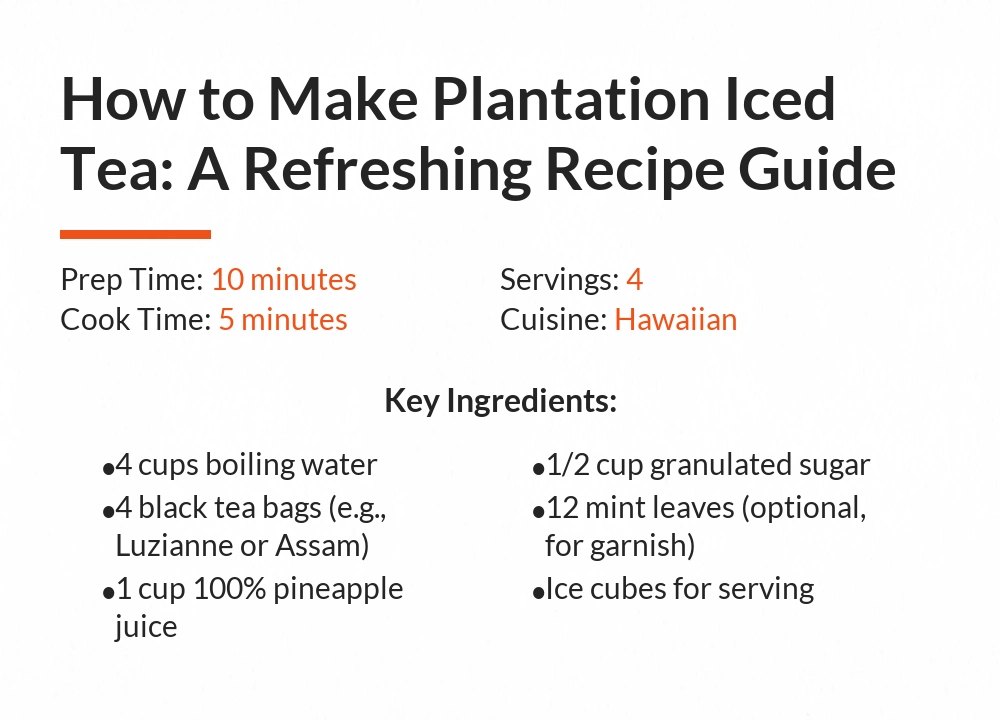
As an Amazon Associate, I may earn a small commission from qualifying purchases at no extra cost to you. This helps me create more valuable, tested content for you.
The first time I tasted authentic plantation iced tea was on a humid afternoon in Hawaii. The combination of robust black tea and sweet pineapple juice created a drink that was both energizing and soothing. I have since perfected this recipe through numerous tests in my own kitchen. You can replicate this classic beverage with simple ingredients and straightforward steps.
Plantation iced tea is a Hawaiian staple that blends brewed tea with pineapple juice and often a touch of sweetener. It serves as a perfect refreshment for warm days or social gatherings. This guide will walk you through every detail, from selecting ingredients to understanding its cultural roots.
By the end of this article, you will know how to craft this drink with confidence. I will share personal insights and scientific facts to enhance your experience. Let us begin with the core recipe to get you started quickly.
How to Make Plantation Tea Recipe
This section provides the complete recipe for traditional plantation iced tea. Follow these steps to create a balanced and flavorful beverage. I recommend using fresh pineapple juice for the best results.
Recipe Details
- Prep Time: 10 minutes
- Cook Time: 5 minutes
- Servings: 4
- Course: Beverage
- Cuisine: Hawaiian
- Diet: Vegan
Ingredients
- 4 cups boiling water
- 4 black tea bags (e.g., Luzianne or Assam)
- 1 cup 100% pineapple juice
- 1/2 cup granulated sugar
- 12 mint leaves (optional, for garnish)
- Ice cubes for serving
Instructions
- Bring 4 cups of water to a rolling boil in a kettle or pot.
- Place the tea bags in a heatproof pitcher and pour the boiling water over them.
- Let the tea steep for 5 minutes to extract full flavor without bitterness.
- Remove the tea bags and stir in the sugar until completely dissolved.
- Add the pineapple juice to the pitcher and mix thoroughly.
- Refrigerate the mixture for at least 30 minutes until chilled.
- Serve over ice cubes and garnish with mint leaves if desired.
Nutrition
- Calories: 80 kcal
- Protein: 0 g
- Fat: 0 g
- Carbohydrates: 20 g
- Sugar: 18 g
- Fiber: 0 g
- Sodium: 5 mg
- Cholesterol: 0 mg
Cooking Method
This recipe uses a steeping method for the tea, followed by mixing and chilling. Steeping in boiling water releases the tea’s flavors and antioxidants. Combining it with cold pineapple juice creates a harmonious blend without diluting the taste.
Tools Needed
- Kettle or pot for boiling water
- 1-gallon pitcher
- Measuring cups and spoons
- Stirring spoon
- Refrigerator for chilling
The History and Culture of Plantation Iced Tea
Plantation iced tea has deep roots in Hawaii’s agricultural history. It originated on sugar and pineapple plantations in the late 19th century. Workers would blend black tea with local pineapple juice to create a refreshing drink during breaks.
This beverage reflects the cultural fusion of Hawaiian, Asian, and European influences. Tea was introduced by immigrants, while pineapple became a symbol of the islands. Over time, it evolved into a popular menu item at casual spots and luaus.
Understanding this background adds appreciation for each sip. The drink is more than a recipe; it is a testament to Hawaii’s diverse heritage. Modern variations still honor these origins while adapting to contemporary tastes.
Origins in Hawaiian Plantations
Plantation iced tea emerged as a practical solution for laborers in hot climates. They used readily available ingredients like black tea and canned pineapple juice. The addition of sugar provided quick energy for long workdays.
Historical records show that tea was often sourced from brands like Luzianne. Pineapple juice was sometimes substituted with other local fruits. This adaptability made the drink a staple across different islands.
Evolution Over Time
In the 20th century, plantation iced tea gained popularity in mainland U.S. through tourism. Restaurants in Hawaii began serving it as a signature beverage. Variations like adding lemonade or mint became common.
Today, it is enjoyed globally, with recipes shared online and in cookbooks. The core elements remain unchanged, but innovations include using herbal teas or reduced-sugar options. This evolution ensures the drink stays relevant for new generations.
Nutritional Benefits of Plantation Iced Tea
As a dietician, I analyze the health aspects of every recipe. Plantation iced tea offers a mix of hydration, antioxidants, and natural sugars. Moderation is key due to the sugar content, but it can fit into a balanced diet.
Black tea provides polyphenols that support heart health and reduce inflammation. Pineapple juice adds vitamin C and manganese. Together, they create a beverage that is both enjoyable and moderately nutritious.
Key Nutrients and Their Effects
Black tea contains theaflavins and thearubigins, which are antioxidants. These compounds help combat oxidative stress in the body. They may also improve gut health and blood sugar regulation.
Pineapple juice is rich in bromelain, an enzyme that aids digestion. It also provides small amounts of potassium and vitamin B6. However, it is high in natural sugars, so portion control is advised.
Mint leaves, if used, contribute trace amounts of vitamin A and iron. They also have a calming effect on the digestive system. These elements make the drink more than just a sweet treat.
How It Fits into a Balanced Diet
Plantation iced tea can be part of a healthy lifestyle when consumed mindfully. I suggest limiting intake to one serving per day if you are watching sugar. Pair it with protein-rich foods to balance blood sugar levels.
For active individuals, the carbohydrates from sugar and juice offer quick energy. The caffeine in black tea provides a mild boost without the jitters. Always consider your overall daily nutrient intake when enjoying this beverage.
Ingredient Deep Dive
Selecting high-quality ingredients is crucial for an authentic plantation iced tea. Each component affects the flavor, color, and nutritional profile. I will break down the key elements based on my testing and research.
Choosing the Right Tea
Black tea is the traditional base for this recipe due to its robust flavor. Varieties like Assam or Ceylon work well because of their malty notes. These teas hold up against the sweetness of pineapple juice without becoming bitter.
You can use tea bags or loose leaves; both are effective. If using loose leaves, steep them in a strainer for easy removal. Green tea or herbal blends like mint tea can be substituted for a different twist.
The steeping time impacts the astringency; 5 minutes is ideal for balance. Over-steeping can release tannins that make the tea unpalatable. Cold-brew methods are an alternative for a smoother taste.
The Role of Pineapple Juice
Pineapple juice adds a clean, natural fruity flavor that defines this drink. I prefer 100% pineapple juice without added sugars for a pure taste. Canned or fresh juice both work, but fresh juice offers brighter notes.
The acidity in pineapple juice balances the bitterness of black tea. It also contributes to the beverage’s lovely golden color. In recipes, 6 ounces per serving is standard, but you can adjust to taste.
Some variations include pineapple chunks or other juices like berry blends. These additions change the texture and nutritional content. Stick to unsweetened versions to control sugar intake.
Sweeteners and Alternatives
Sugar is commonly used to sweeten plantation iced tea, typically 1/2 cup for this recipe. It dissolves easily in hot tea and enhances the pineapple flavor. You can reduce it to 1/4 cup for a less sweet version.
For dietary needs, alternatives like honey, agave, or artificial sweeteners like Splenda are options. Honey adds a floral note but is not vegan. Sugar-free versions use stevia or erythritol to cut calories.
Simple syrup, made from equal parts sugar and water, is another choice. It blends seamlessly into cold beverages. Experiment to find your preferred level of sweetness.
Enhancing with Mint and Other Flavors
Mint leaves are a popular garnish that adds freshness to the drink. They can be muddled slightly to release their oils. Other herbs like lemongrass or hibiscus flowers introduce complex flavors.
Lemonade concentrate or pink lemonade can be mixed in for a tangy variation. This creates a pineapple iced tea lemonade hybrid. Berries or citrus slices infuse additional vitamins and visual appeal.
Boozy versions include a splash of rum or vodka for adult gatherings. These adaptations make the recipe versatile for different occasions. Always label non-alcoholic versions clearly if serving a mixed crowd.
Dietary Adaptations for Plantation Iced Tea
This recipe is naturally vegan and gluten-free, but you can modify it further. I have tested various swaps to accommodate different dietary preferences. Here are practical adjustments that maintain the drink’s character.
Vegan and Dairy-Free Options
The standard recipe is already vegan, as it contains no animal products. Ensure that any sweeteners like sugar are certified vegan, as some sugars use bone char in processing. Agave or maple syrup are plant-based alternatives.
If adding creaminess, use almond milk or coconut milk instead of dairy. These milks blend well with the tea and pineapple flavors. Start with a small amount, such as 2 ounces, to avoid overpowering the drink.
Low-Sugar and Sugar-Free Versions
To reduce sugar, use unsweetened pineapple juice and decrease added sweetener. Artificial sweeteners like Splenda provide sweetness without calories. Monk fruit or stevia are natural zero-calorie options.
For a completely sugar-free version, omit sweeteners and rely on the fruit’s natural sugars. This changes the flavor profile but can still be refreshing. Always taste and adjust after chilling, as cold temperatures mute sweetness.
Gluten-Free Considerations
Plantation iced tea is inherently gluten-free, as tea, juice, and sugar do not contain gluten. Check tea bag labels to confirm they are processed in gluten-free facilities. Some brands may have cross-contamination risks.
If serving with accompaniments like cookies or snacks, choose gluten-free items. This ensures the entire experience is safe for those with celiac disease or sensitivities. Simple swaps make the recipe inclusive for all.
Common Mistakes and Expert Tips
After making this recipe dozens of times, I have identified common pitfalls. Avoiding these errors will help you achieve a perfect batch every time. Here are my top tips based on hands-on experience.
Avoiding Bitterness in Tea
Bitterness often comes from over-steeping or using water that is too hot. Boiling water is necessary, but steeping beyond 5 minutes extracts tannins excessively. Remove tea bags promptly after steeping.
If you prefer stronger tea, use more tea bags rather than longer steeping. Cold-brewing is another method to reduce bitterness. Steep tea in cold water for 8-12 hours in the refrigerator.
Adding pineapple juice early can also mitigate bitterness due to its acidity. Stir it in after the tea has cooled slightly. This preserves the juice’s nutrients and flavor.
Perfecting the Sweetness Balance
Sweetness can be tricky because cold beverages taste less sweet. I recommend dissolving sugar in hot tea first to ensure even distribution. Taste the mixture before chilling and adjust if needed.
For a consistent flavor, use simple syrup instead of granulated sugar. It incorporates smoothly and prevents graininess. Start with less sweetener and add more after chilling, as preferences vary.
If using artificial sweeteners, add them after the tea has cooled. Heat can alter their taste and stability. Follow package instructions for best results.
Storage and Freshness Tips
Store plantation iced tea in a sealed pitcher in the refrigerator for up to 3 days. After that, the flavor may degrade, and separation can occur. Stir well before serving if ingredients settle.
Do not leave the tea at room temperature for extended periods, as it can spoil. For longer storage, freeze it in ice cube trays and use later. These tea cubes can chill future batches without dilution.
If making a large quantity for events, keep it chilled until serving. Use insulated containers to maintain temperature outdoors. This ensures safety and quality throughout your gathering.
Serving and Pairing Suggestions
Plantation iced tea is versatile and pairs well with various foods and occasions. I often serve it at summer barbecues or casual dinners. Its refreshing quality complements rich and spicy dishes.
Ideal Occasions for Serving
This drink shines at outdoor events like picnics, cookouts, or pool parties. It is also great for afternoon breaks or as a non-alcoholic option at celebrations. The vibrant color and flavor make it a crowd-pleaser.
For themed parties, garnish with pineapple slices or umbrellas. Serve in clear glasses to showcase its appealing hue. It can be pre-made and stored, reducing last-minute preparation stress.
Food Pairings for a Complete Meal
Pair plantation iced tea with grilled meats, salads, or seafood. The sweetness balances smoky or savory flavors. Try it with barbecue ribs, creamy cucumber salad, or couscous dishes.
For lighter options, serve with fruit platters or cheese boards. The tea’s acidity cuts through creamy textures. Avoid overly sweet desserts to prevent flavor clash.
If serving a boozy version, match it with appetizers like sliders or spring rolls. The drink’s versatility allows for creative combinations. Experiment to find your favorite pairings.
The Science Behind Brewing Tea
Understanding the chemistry of tea brewing can improve your results. Heat, time, and water quality all influence the final product. I will explain key principles in simple terms.
How Temperature Affects Flavor
Boiling water, around 212°F (100°C), is ideal for black tea. It efficiently extracts flavors and compounds like caffeine and antioxidants. Lower temperatures may under-extract, leading to a weak brew.
Green or white teas require cooler water to prevent bitterness. For plantation iced tea, black tea’s robustness handles high heat well. Always use fresh, filtered water for the best taste.
The Chemistry of Sweeteners
Sugar molecules dissolve better in hot liquids due to increased molecular movement. This is why adding sugar to hot tea ensures even sweetness. Alternative sweeteners have different solubility properties.
Artificial sweeteners like Splenda are heat-stable but can leave an aftertaste. Natural sweeteners like honey may lose some nutrients when heated. Choosing the right sweetener depends on your priorities for flavor and health.
Frequently Asked Questions
What is plantation tea recipe?
Plantation tea recipe is a Hawaiian beverage made by blending brewed black tea with pineapple juice and sweetener. It is served chilled over ice and often garnished with mint.
Why is plantation tea recipe important?
This recipe is important for its cultural significance in Hawaii and its role as a refreshing, hydrating drink. It represents a fusion of agricultural history and local ingredients.
How does plantation tea recipe work?
The recipe works by steeping tea in hot water to extract flavors, then mixing with pineapple juice and sweetener. Chilling the mixture enhances the blend and makes it suitable for warm weather.
Can I use green tea instead of black tea?
Yes, green tea can be used for a lighter flavor profile. Steep it at a lower temperature, around 175°F (80°C), to avoid bitterness. Adjust sweetener to taste.
How long can I store plantation iced tea?
Store it in the refrigerator for up to 3 days in a sealed container. Beyond that, the quality may decline, and separation could occur. Stir before serving.
Is plantation iced tea healthy?
It can be part of a healthy diet if consumed in moderation. Black tea offers antioxidants, but the sugar content should be monitored. Opt for low-sugar versions if needed.
What are some variations of plantation iced tea?
Variations include adding lemonade, using herbal teas, or incorporating berries. Boozy versions with rum are popular for adult events. Experiment with different juices and garnishes.
Can I make this recipe without sugar?
Yes, omit sugar or use sugar-free alternatives like stevia. The pineapple juice provides natural sweetness, so you may not need additional sweetener.
What tools are essential for this recipe?
Essential tools include a kettle, pitcher, measuring cups, and a stirring spoon. A refrigerator for chilling is also necessary. No specialized equipment is required.
How can I reduce the calorie content?
Use unsweetened pineapple juice and replace sugar with zero-calorie sweeteners. Diluting with water or sparkling water can also lower calories per serving.