Reina
Reina 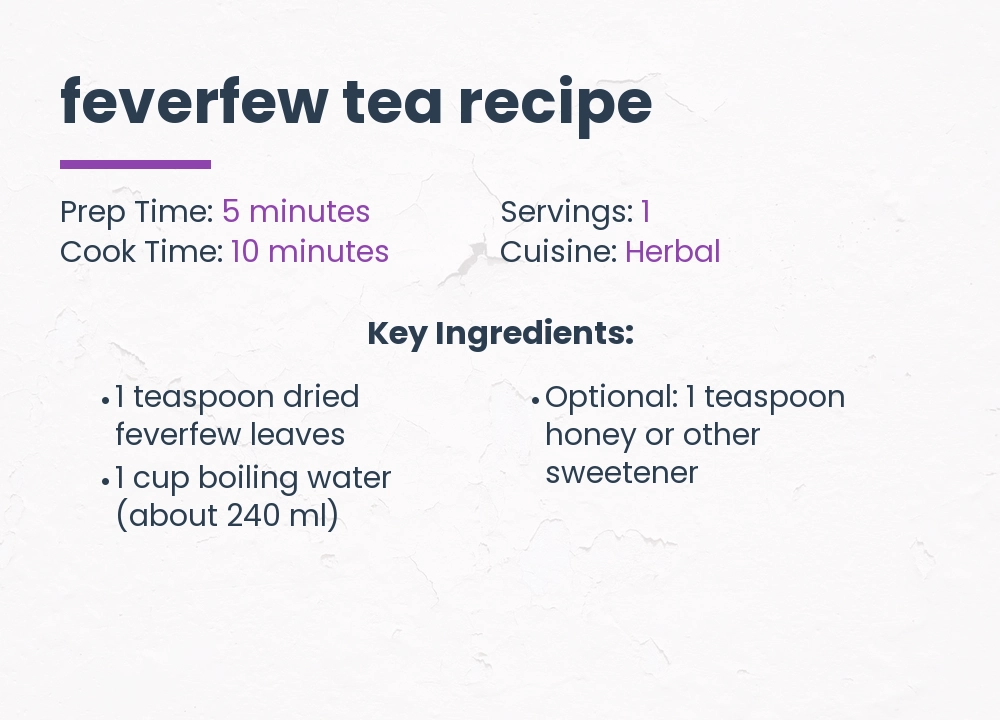
As an Amazon Associate, I may earn a small commission from qualifying purchases at no extra cost to you. This helps me create more valuable, tested content for you.
Many people seek natural ways to manage common discomforts like headaches or inflammation. I recall a time when persistent tension led me to explore herbal remedies, and feverfew became a trusted ally. This simple infusion uses dried feverfew leaves steeped in boiling water, often enhanced with honey for taste. Below, I will guide you through making it and share comprehensive insights to empower your use of this herbal tea.
Feverfew tea is prepared by steeping one teaspoon of dried feverfew leaves in one cup of boiling water for 5 to 15 minutes, then straining and optionally adding honey. This method extracts the plant’s beneficial compounds, offering a gentle, natural option for wellness support. Let us delve into the details to ensure you can prepare it confidently and understand its broader context.
How to Make Feverfew Tea Recipe
This section provides the core steps for creating feverfew tea. Follow these instructions closely for a consistent and effective brew. The process is straightforward but benefits from attention to detail, such as water temperature and steeping time.
Recipe Details
- Prep Time: 5 minutes
- Cook Time: 10 minutes
- Servings: 1
- Course: Beverage
- Cuisine: Herbal
- Diet: Vegan
Ingredients
- 1 teaspoon dried feverfew leaves
- 1 cup boiling water (about 240 ml)
- Optional: 1 teaspoon honey or other sweetener
Instructions
- Bring fresh water to a rolling boil in a kettle or small saucepan.
- Place the dried feverfew leaves into a teapot or heat-resistant container.
- Pour the boiling water over the leaves, ensuring they are fully submerged.
- Cover the container with a lid or saucer to retain heat and steep for 5 to 15 minutes, depending on desired strength.
- Strain the tea into a cup to remove the plant material.
- If desired, stir in honey or another sweetener to balance the slightly bitter flavor.
- Serve immediately while warm for the best experience.
Nutrition
- Calories: 5 kcal
- Protein: 0 g
- Fat: 0 g
- Carbohydrates: 1 g
- Sugar: 1 g
- Fiber: 0 g
- Sodium: 0 mg
- Cholesterol: 0 mg
Cooking Method
The primary method for feverfew tea is infusion, which involves steeping dried herbs in hot water. This technique allows water-soluble compounds to be extracted without boiling the plant material directly. It preserves delicate volatile oils that contribute to the tea’s potential benefits. Always use filtered water for a cleaner taste and avoid over-steeping to prevent excessive bitterness.
Tools Needed
- Kettle or small saucepan for boiling water
- Teapot or heat-resistant container with lid
- Fine mesh strainer or tea infuser
- Measuring spoons
- Cup or mug for serving
Understanding Feverfew as a Key Ingredient
Feverfew, scientifically known as Tanacetum parthenium, is a hardy perennial herb from the Asteraceae family. It resembles a small daisy with bright white flowers and has been used for centuries in European traditions. The leaves are the most commonly used part for tea, offering a slightly bitter and citrusy taste profile.
This herb thrives in gardens and wild areas, often reaching up to 70 cm in height. When harvesting, choose young leaves for a milder flavor. Dried feverfew retains its properties well, making it convenient for storage in airtight containers. Its historical use as a “fever herb” hints at its traditional role in supporting wellness.
Botanical Profile and Harvesting
Feverfew plants produce clusters of small, daisy-like flowers with yellow centers. They are drought-resistant and can grow in various conditions, from gardens to rocky areas. For tea, it is best to harvest leaves before the plant flowers, as this is when the active compounds are most concentrated. Dry the leaves in a shaded, well-ventilated area to preserve their quality.
When sourcing feverfew, ensure it is from a reliable supplier to avoid contamination. Organic options are preferable to minimize pesticide exposure. The dried leaves should have a greenish hue and a pungent aroma, indicating freshness.
Flavor and Aroma Characteristics
Fresh feverfew leaves emit a strong, camphor-like scent, while dried versions have a more subdued aroma. The flavor is often described as bitter with citrus undertones, which can be an acquired taste for some. This bitterness comes from compounds like parthenolide, which is also linked to many of the herb’s traditional uses.
To make the tea more palatable, consider blending it with other herbs like chamomile or lavender. These additions can soften the bitterness and add complementary notes. However, pure feverfew infusion provides the most direct experience of its unique profile.
Nutritional and Health Perspectives
From a nutritional standpoint, feverfew tea is low in calories and macronutrients, but its value lies in phytochemicals like flavonoids and sesquiterpene lactones. These compounds are studied for their potential anti-inflammatory and calming effects. As a dietician, I emphasize that this tea should complement a balanced diet rather than replace medical treatments.
Regular consumption may support overall wellness by promoting relaxation and reducing minor discomforts. However, individual responses vary, and it is crucial to consult a healthcare provider before using it for specific conditions. The infusion’s mild nature makes it suitable for daily use in moderation.
Key Bioactive Compounds
Parthenolide is the most researched compound in feverfew, known for its role in modulating inflammatory pathways. Other constituents include tanetin and volatile oils that contribute to the herb’s aroma and potential benefits. These elements work synergistically, which is why whole-leaf preparations are often preferred over isolated supplements.
When brewed as tea, the hot water extraction efficiently releases these compounds. Steeping for at least 5 minutes ensures adequate dissolution, but longer times may increase bitterness without significantly boosting efficacy. This balance is key to a pleasant and effective brew.
Potential Wellness Benefits
Historical and modern uses of feverfew often focus on headache management, particularly for tension-related issues. Its anti-inflammatory properties may also aid in relieving minor joint discomfort or digestive complaints like indigestion. Some people find it helpful for reducing anxiety due to its mild sedative qualities.
It is important to note that scientific evidence is mixed, and results can depend on factors like dosage and individual health. For instance, studies on feverfew’s effectiveness for migraines show promise but are not conclusive. Always approach herbal remedies with realistic expectations and professional guidance.
Dietary Adaptations and Variations
Feverfew tea is naturally vegan and gluten-free, making it accessible to many diets. For those avoiding sweeteners, omit honey or use alternatives like stevia for a zero-calorie option. If you prefer a caffeine-free beverage, this infusion fits well as it contains no stimulants.
Blending feverfew with other herbs can enhance flavor and benefits. For example, adding mint or rosemary introduces refreshing notes and additional digestive support. These variations allow you to customize the tea to your taste and health needs without compromising the core recipe.
Vegan and Sugar-Free Options
To keep the tea fully plant-based, use agave syrup or maple syrup instead of honey. These sweeteners blend well and can mask bitterness effectively. For a sugar-free version, consider monk fruit extract or simply enjoy the tea unsweetened to appreciate its natural profile.
If you have allergies to plants in the Asteraceae family, such as chamomile or ragweed, exercise caution with feverfew. Start with a small amount to test for reactions. Always source ingredients from trusted suppliers to ensure purity and safety.
Herbal Blends and Enhancements
Combining feverfew with chamomile creates a calming blend ideal for evening use. Lavender adds a floral touch that may further support relaxation. For a more robust infusion, include ginger or lemon balm to address digestive issues or enhance flavor.
When creating blends, maintain a ratio of one part feverfew to two parts complementary herbs to avoid overpowering the mixture. Experiment with steeping times to find the right balance for your palate. These adaptations make the tea versatile and enjoyable for diverse preferences.
Cultural and Historical Context
Feverfew has a rich history dating back to ancient Greece, where it was used for fever reduction, hence its name. Early European settlers brought it to North America, where it naturalized in gardens and wild areas. In medieval times, it was grown in monastery gardens for its medicinal properties and sometimes used in flower arrangements for its aesthetic appeal.
The herb gained prominence in the 20th century as research into its potential benefits expanded. Historical figures like Charlemagne promoted its cultivation, and it appears in old herbals as a remedy for various ailments. This long-standing use underscores its enduring role in herbal traditions across cultures.
Traditional Uses Across Eras
In traditional European medicine, feverfew was employed for issues like arthritis, menstrual cramps, and insect bites. It was often prepared as a tea or poultice for external application. The plant’s association with “purifying” properties led to its use in rituals and home remedies.
Native American communities adopted feverfew for similar purposes, integrating it into their healing practices. This cross-cultural adoption highlights the herb’s versatility and perceived efficacy. Understanding this context enriches the experience of preparing and consuming the tea today.
Modern Revival and Research
Recent decades have seen a resurgence of interest in feverfew, driven by the wellness movement and scientific studies. Research has explored its effects on inflammation and headache mechanisms, though more clinical trials are needed. This blend of old wisdom and new inquiry keeps feverfew relevant in contemporary herbalism.
As a culinary historian, I appreciate how such herbs bridge past and present. Growing feverfew in your garden connects you to this legacy, offering both beauty and utility. Harvesting your own leaves for tea can make the ritual more personal and meaningful.
Common Mistakes and Expert Tips
One frequent error is using boiling water that is too hot, which can destroy delicate compounds. Aim for water just off the boil, around 95°C, for optimal extraction. Another mistake is over-steeping, leading to excessive bitterness that may deter repeated use.
Always store dried feverfew in a cool, dark place to maintain potency. Exposure to light or moisture can degrade the active ingredients. If you grow your own, avoid pesticides to ensure a clean harvest for tea preparations.
Optimizing Steeping and Flavor
For a milder tea, steep for 5-7 minutes; for stronger effects, extend to 10-15 minutes but expect more bitterness. Covering the container during steeping traps essential oils, enhancing the aroma and potential benefits. Taste the tea at different intervals to find your preference.
If the flavor is too assertive, try cooling the tea and serving it over ice with a slice of lemon. This variation can make it more refreshing and palatable, especially in warmer weather. Experimentation is key to adapting the recipe to your needs.
Storage and Shelf Life
Dried feverfew leaves should be kept in an airtight container away from heat and sunlight. Properly stored, they can last up to a year without significant loss of quality. Check for any signs of mold or off odors before use to ensure safety.
For fresh leaves, use them within a few days or dry them promptly. You can also freeze fresh leaves in ice cube trays with water for later use in teas. These practices help you enjoy feverfew tea year-round with consistent results.
Serving, Pairing, and Storage Guidance
Feverfew tea is best served warm to appreciate its aromatic qualities. Pair it with light snacks like whole-grain crackers or fresh fruit to complement its herbal notes. Avoid heavy or sugary foods that might overshadow the tea’s subtle flavors.
For storage, brewed tea can be refrigerated for up to 24 hours in a sealed bottle. Reheat gently if desired, but avoid microwaving to preserve delicate compounds. Use cooled tea as a compress for minor skin irritations, leveraging its anti-inflammatory properties topically.
Mealtime Integration and Rituals
Incorporate feverfew tea into your daily routine as a calming evening drink or a morning alternative to caffeinated beverages. Its gentle effects make it suitable for moments of relaxation or reflection. Sharing the tea with others can foster connections and discussions about herbal wellness.
If using the tea for specific purposes, such as headache relief, drink it at the first sign of discomfort for best results. Consistency in preparation and consumption helps build familiarity with its effects on your body. This mindful approach enhances the overall experience.
Creative Uses Beyond Drinking
Leftover feverfew tea can be applied as a facial toner or added to baths for skin soothing. Its anti-inflammatory qualities may help with blemishes or minor bites. Always patch-test on a small skin area first to check for reactions.
For gynaecological support, some traditions use cooled tea in sitz baths. Consult with a healthcare provider before trying such applications to ensure appropriateness for your situation. These extended uses demonstrate the versatility of feverfew beyond simple consumption.
The Science Behind Feverfew Tea
Feverfew’s potential benefits are attributed to its ability to inhibit prostaglandin synthesis and reduce platelet aggregation, which are involved in inflammation and pain pathways. Parthenolide, a key compound, may modulate serotonin release, relevant for headache management. However, individual biochemistry influences how these mechanisms manifest in practice.
From a nutritional science perspective, the tea’s low calorie content and lack of macronutrients mean its primary value is phytochemical. These compounds interact with bodily systems in complex ways, often requiring cumulative use for noticeable effects. This explains why traditional use emphasizes regular, moderate consumption.
Pharmacology and Bioavailability
When consumed as tea, the water-soluble components of feverfew are readily absorbed in the digestive tract. Fat-soluble compounds may have lower bioavailability in this form, which is why some prefer capsule supplements. However, the tea preparation offers a gentle introduction and allows for easy dosage adjustment.
Research indicates that parthenolide levels can vary based on growing conditions and processing methods. This variability underscores the importance of using high-quality, standardized sources if consistent effects are desired. Homegrown or well-sourced dried leaves typically provide reliable results.
Safety and Contraindications
Feverfew is generally safe for most adults when used in culinary amounts, but long-term use or high doses may cause digestive issues like mouth ulcers or nausea. It can interact with blood-thinning medications due to its mild antiplatelet effects, so consult a doctor if you are on such drugs.
Pregnant or breastfeeding individuals should avoid feverfew tea unless approved by a healthcare provider. Allergic reactions are possible, especially in those sensitive to plants in the daisy family. Start with small servings to assess tolerance before incorporating it into your routine regularly.
Frequently Asked Questions
What is feverfew tea recipe?
Feverfew tea recipe involves steeping dried feverfew leaves in boiling water for 5 to 15 minutes, then straining and optionally adding sweeteners. It is a simple herbal infusion used for its potential wellness benefits, such as supporting headache relief or reducing inflammation.
Why is feverfew tea recipe important?
This recipe is important because it provides a natural, accessible way to harness feverfew’s properties. It allows for controlled dosage and customization, making it a practical option for those exploring herbal remedies. Historical and modern uses highlight its role in holistic health practices.
How does feverfew tea recipe work?
The recipe works by extracting bioactive compounds from feverfew leaves through hot water infusion. These compounds, like parthenolide, may interact with bodily systems to modulate inflammation and pain responses. Steeping time and water temperature affect the extraction efficiency and final potency.
Can I use fresh feverfew leaves instead of dried?
Yes, fresh leaves can be used; typically, three teaspoons of fresh herbs replace one teaspoon of dried. Fresh leaves may produce a milder flavor but require thorough washing to remove dirt. Adjust steeping time slightly, as fresh material can release compounds more quickly.
What are the side effects of feverfew tea?
Possible side effects include mouth sores, digestive upset, or allergic reactions in sensitive individuals. Discontinue use if adverse effects occur and consult a healthcare professional. Long-term use should be monitored, especially if you have pre-existing health conditions or take medications.
How often can I drink feverfew tea?
Most adults can safely consume one to two cups daily, but individual tolerance varies. Start with occasional use and observe your body’s response. For chronic issues, seek medical advice to determine an appropriate frequency based on your specific needs.
Can feverfew tea help with anxiety?
Some people find feverfew tea calming due to its mild sedative properties, though evidence is anecdotal. It may promote relaxation as part of a broader stress-management strategy. For severe anxiety, professional treatment is recommended over reliance on herbal teas alone.
Is feverfew tea safe for children?
It is not generally recommended for children without pediatrician approval, due to limited safety data. Herbal remedies can affect developing systems differently, so caution is advised. Always prioritize established, age-appropriate treatments for young ones.
How should I store dried feverfew for tea?
Store dried feverfew in an airtight container in a cool, dark place, such as a pantry. Avoid humidity and direct sunlight to preserve its potency and flavor. Properly stored, it can remain effective for up to a year.
Can I grow feverfew at home for tea?
Yes, feverfew is a hardy perennial that thrives in gardens with well-drained soil and partial sun. Harvest leaves before flowering for the best quality, and dry them for later use. Home cultivation ensures a fresh, pesticide-free supply for your tea preparations.