Reina
Reina 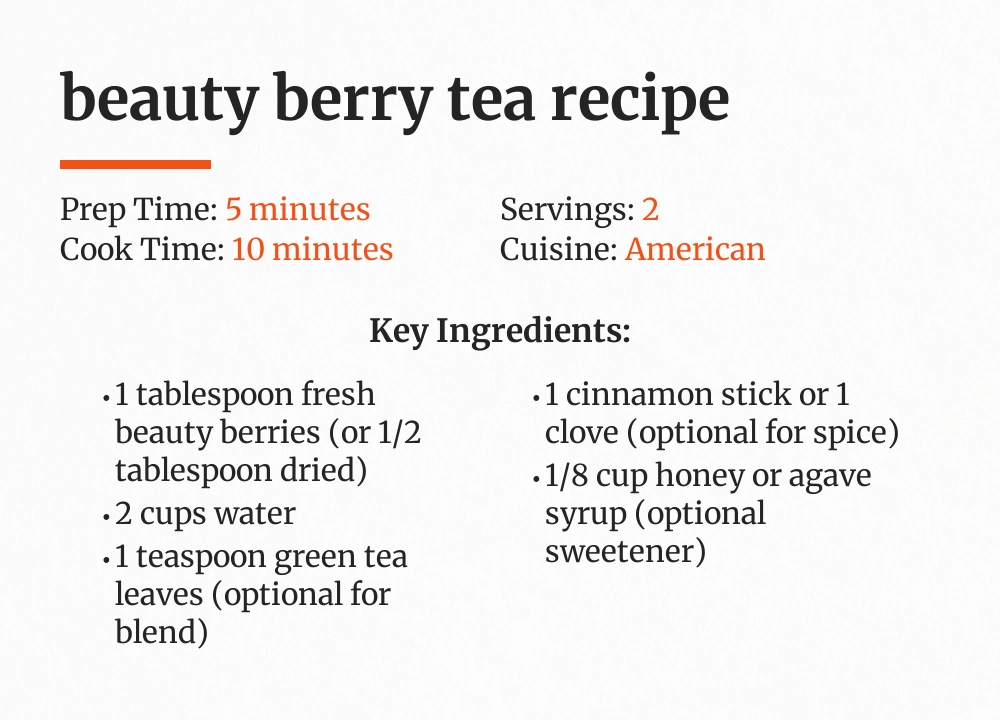
As an Amazon Associate, I may earn a small commission from qualifying purchases at no extra cost to you. This helps me create more valuable, tested content for you.
Walking through the woods behind my childhood home, I often spotted clusters of vibrant purple berries clinging to shrubs. My grandmother would point them out, calling them beautyberries, and share stories of how her family used them for tea during lean times. That memory inspired me to explore this native plant more deeply, leading to years of studying its culinary and medicinal applications.
Now, as a dietitian and culinary historian, I want to guide you through creating beauty berry tea, a beverage that connects us to American heritage while offering notable health perks. This recipe uses fresh or dried berries from the Callicarpa americana plant, steeped to release their subtle flavors and beneficial compounds. Let’s begin with the core method before diving into the rich details that make this tea special.
You might have encountered these shrubs in your own yard or local parks, wondering if those striking berries are edible. They are, and transforming them into tea is straightforward. The process involves simmering the berries to extract their juices, then combining them with water and optional ingredients like green tea or spices for complexity.
In this article, I will cover everything from identifying and harvesting beautyberries to adapting the recipe for various diets. We will examine the science behind its color change and nutritional impact, ensuring you have all the knowledge to prepare it confidently.
How to Make beauty berry tea recipe
This section provides the foundational recipe for beauty berry tea. I have tested this method multiple times to achieve a balanced flavor profile that highlights the berry’s natural notes. Follow these steps for a reliable result, and refer to later sections for deeper insights into ingredients and techniques.
Recipe Details
- Prep Time: 5 minutes
- Cook Time: 10 minutes
- Servings: 2
- Course: Beverage
- Cuisine: American
- Diet: Vegan, Gluten-Free
Ingredients
- 1 tablespoon fresh beauty berries (or 1/2 tablespoon dried)
- 2 cups water
- 1 teaspoon green tea leaves (optional for blend)
- 1 cinnamon stick or 1 clove (optional for spice)
- 1/8 cup honey or agave syrup (optional sweetener)
Instructions
- Rinse the beauty berries under cool water to remove any debris. If using fresh berries, gently crush them with a spoon to break the skins.
- In a small pot, bring the water to a boil over medium heat. Add the beauty berries and reduce to a simmer.
- Allow the berries to simmer for 5-7 minutes, stirring occasionally, until the water takes on a light purple hue.
- If including green tea or spices, add them now and simmer for an additional 2-3 minutes.
- Remove the pot from heat and let the mixture steep for 5 minutes to deepen the flavor.
- Strain the tea into cups using a fine mesh sieve to remove solids. Stir in honey or agave if desired, and serve warm.
Nutrition
- Calories: 15 kcal
- Protein: 0.5 g
- Fat: 0.1 g
- Carbohydrates: 4 g
- Sugar: 3 g
- Fiber: 0.5 g
- Sodium: 5 mg
- Cholesterol: 0 mg
Cooking Method
The primary method for beauty berry tea involves boiling and steeping. Boiling the berries helps release their juices and bioactive compounds, while steeping allows flavors to meld. This approach maximizes the extraction of antioxidants and anthocyanins, which contribute to the tea’s color and health properties.
I prefer using a stainless steel pot for even heat distribution, but any non-reactive cookware works. Avoid aluminum pots, as they can react with the berries’ acids. The simmering stage is critical; too high heat may make the tea bitter, so maintain a gentle bubble.
After boiling, steeping off the heat prevents over-extraction. This step lets the tea develop a rounded taste without becoming astringent. If you add green tea, limit the steeping time to avoid bitterness from tannins.
Tools Needed
- Small pot or saucepan
- Measuring spoons and cups
- Fine mesh strainer or cheesecloth
- Stirring spoon
- Cups or mugs for serving
These basic kitchen tools suffice for most preparations. A strainer is essential to remove berry seeds and pulp, ensuring a smooth drink. For larger batches, scale up the ingredients and use a bigger pot.
Understanding Beautyberries: A Botanical Overview
Beautyberries belong to the Callicarpa genus, which includes both American and Asian species. Callicarpa americana, the American beautyberry, is native to the southeastern United States and has been used for centuries by Indigenous peoples and early settlers. Its distinctive purple berries form in dense clusters along the stems, ripening in late summer to early fall.
When I forage for these berries, I look for shrubs in wooded areas or gardens with well-drained soil. The plant typically grows 3-8 feet tall, with leaves that are ovate and serrated. Berries are about 1/4 inch in diameter and change from green to vivid purple as they mature. Always confirm identification using a reliable guide to avoid toxic look-alikes.
Harvesting is best done when berries are fully colored and firm. Gently pluck them from the stems, and use immediately or dry for later. A single mature plant can yield several cups of berries, making it a sustainable resource for home use.
American Beautyberries Versus Asian Beautyberries
It is important to distinguish between American and Asian species, as their properties differ. American beautyberries (Callicarpa americana) have a milder flavor and are more commonly used in culinary applications. Asian varieties, such as Callicarpa dichotoma, often ripen earlier and may have longer peduncles, but they can be more astringent.
In my experience, American berries are preferable for tea due to their sweeter profile. Asian species might require longer simmering to reduce bitterness. If you are foraging, note that American plants have broader leaves and a more spreading habit, while Asian types are often more compact.
Both species contain similar bioactive compounds, but American beautyberries are better studied for traditional uses. When sourcing berries, opt for locally grown American plants to support native ecosystems and ensure authenticity.
When to Harvest and How to Store
Timing your harvest affects the tea’s flavor and nutrient content. American beautyberries flower in early summer, with berries developing by August and peaking in September. Pick them on a dry day to prevent mold, and avoid berries that are shriveled or discolored.
After harvesting, you can use berries fresh or preserve them. To dry, spread them in a single layer on a basket or tray in a well-ventilated area away from direct sun. Once completely dry, store in an airtight container in a cool, dark place. Dried berries retain their properties for up to a year, allowing you to make tea anytime.
For fresh berries, refrigeration in a breathable bag extends usability for about a week. Freezing is another option; place berries on a baking sheet to freeze individually before transferring to a freezer-safe bag. This method locks in freshness for several months.
Nutritional Benefits of Beauty Berry Tea
From a dietary perspective, beauty berry tea offers a range of health advantages due to its rich phytochemical profile. The berries are packed with antioxidants, particularly anthocyanins, which give them their purple color and help combat oxidative stress in the body. Regular consumption may support overall wellness by reducing inflammation and boosting immune function.
In my practice, I often recommend herbal teas like this as part of a balanced diet. Beauty berry tea is low in calories and sugar, making it suitable for weight management plans. The fiber content, though modest, aids digestion, and the absence of caffeine makes it a gentle option for evening consumption.
Studies on Callicarpa species have highlighted antimicrobial and anti-inflammatory effects, though more human research is needed. Traditional use includes treating skin conditions like acne, likely due to its antibiotic properties. However, always consult a healthcare provider before using it for medicinal purposes.
Key Nutrients and Their Impacts
Each component of the tea contributes specific benefits. Fresh beauty berries provide vitamin C and flavonoids, which enhance skin health and vascular function. When brewed, these compounds infuse into the water, creating a hydrating beverage that supports cellular repair.
Adding green tea introduces catechins, known for their metabolic and cognitive benefits. Spices like cinnamon add manganese and further antioxidants, creating a synergistic effect. This combination makes the tea not only flavorful but also functionally diverse.
For those monitoring intake, the nutrition facts show minimal sodium and no cholesterol, aligning with heart-healthy diets. The natural sugars from berries are balanced by the low overall carbohydrate count, making it appropriate for diabetic diets when unsweetened.
Cultural and Historical Context
Beautyberries have a storied past in American folklore and practical use. Indigenous tribes, such as the Choctaw and Cherokee, utilized the leaves and berries for teas, poultices, and even as a natural insect repellent. Early European settlers adopted these practices, incorporating the plant into their home remedies.
I recall my grandmother mentioning how during the Great Depression, families relied on wild plants like beautyberries to supplement their diets. The tea was a common beverage in rural areas, valued for its accessibility and mild energy boost. This historical resilience underscores its role in American culinary heritage.
Today, interest in native plants and sustainable foraging has revived appreciation for beautyberries. They are often featured in modern herbalism and homesteading communities, bridging past and present traditions. Understanding this context enriches the tea-making experience, connecting us to generations of resourcefulness.
Variations and Adaptations
The basic beauty berry tea recipe is highly adaptable to personal preferences and dietary needs. You can experiment with different ingredients to create unique blends that suit your taste or health goals.
Beauty Berry Green Tea Blend
Combining beauty berries with green tea leaves enhances the antioxidant profile and adds a subtle grassy note. Use 1 teaspoon of green tea per serving, adding it during the last few minutes of simmering to prevent bitterness. This variation is popular in fusion recipes, offering a balance between herbal and traditional tea flavors.
I often prepare this blend in the morning for a gentle caffeine lift. The beauty berries’ fruitiness complements green tea’s astringency, resulting in a refreshing drink. Store any leftover blend in an airtight container to preserve freshness.
Beauty Berry Leaf Tea and Root Tea
Beyond berries, other parts of the plant can be used. Leaves make a mild tea with similar benefits; steep 1 tablespoon of dried leaves in boiling water for 5-10 minutes. Root tea, made from chopped beautyberry root, is less common but used in traditional medicine for deeper ailments. However, root harvesting should be done sparingly to avoid harming the plant.
Leaf tea has a lighter color and more herbal taste compared to berry tea. It is ideal for those seeking a caffeine-free option with anti-inflammatory effects. Always ensure proper identification and consult experts when using plant roots, as incorrect use can pose risks.
Dietary Adaptations
This recipe naturally accommodates various diets. For vegan versions, use agave or maple syrup instead of honey. To reduce sugar, omit sweeteners or use a sugar substitute like stevia. The tea is inherently gluten-free and dairy-free, making it inclusive for most restrictions.
If you have allergies, test with a small amount first. Some individuals might react to compounds in the berries, though reactions are rare. For low-carb diets, the tea fits well due to its minimal carbohydrate content.
Common Mistakes and Expert Tips
Over years of preparing this tea, I have noticed frequent errors that affect quality. One common issue is over-boiling the berries, which can release tannins and create a bitter taste. Stick to a gentle simmer and monitor the color change to gauge extraction.
Another mistake is using unripe berries; they lack sweetness and may cause stomach discomfort. Always harvest or purchase fully purple berries. If foraging, avoid areas treated with pesticides or near roadsides to prevent contamination.
For best results, use filtered water to avoid off-flavors from minerals. When storing brewed tea, refrigerate it in a sealed container and consume within 2-3 days. You can also freeze tea in ice cube trays for later use in drinks or recipes.
Serving Suggestions and Storage
Beauty berry tea can be enjoyed hot or cold, depending on the season. Serve it plain or with a slice of lemon to accentuate the fruit notes. For a festive touch, garnish with fresh berries or a cinnamon stick.
Pair it with light snacks like crackers and cheese, or incorporate it into meals as a palate cleanser. In hotter months, pour cooled tea over beautyberry ice cubes for a layered presentation. These cubes can be made by freezing diluted tea, adding visual appeal without dilution.
Leftover tea should be stored in the refrigerator and reheated gently if desired. Avoid boiling stored tea, as it can degrade flavors. For long-term preservation, consider canning the tea using proper sterilization methods, though this is more advanced.
The Science Behind the Brew
The chemistry of beauty berry tea explains its unique characteristics. When heated, the berries’ anthocyanin pigments dissolve in water, causing the tea to turn purple. This color shift is pH-sensitive; adding acidic ingredients like lemon may intensify the hue, while alkaline substances could mute it.
Antioxidant properties come from polyphenols that neutralize free radicals, potentially reducing oxidative damage in the body. The simmering process optimizes extraction of these compounds, making the tea both visually striking and functionally beneficial.
Understanding this science helps in tweaking the recipe. For instance, longer steeping increases antioxidant yield but might affect taste. Balancing time and temperature ensures a brew that is both healthful and enjoyable.
Frequently Asked Questions
What is beauty berry tea recipe?
Beauty berry tea is a beverage made by simmering berries from the Callicarpa americana plant. The recipe typically involves boiling fresh or dried berries in water, often with additions like green tea or spices, then straining and serving hot or cold.
Why is beauty berry tea recipe important?
This recipe is important because it utilizes a native plant with historical significance and health benefits. It promotes sustainable foraging and provides a natural, low-calorie drink rich in antioxidants.
How does beauty berry tea recipe work?
The recipe works by extracting water-soluble compounds from the berries through heat. Boiling breaks down cell walls, releasing flavors, colors, and nutrients into the liquid, which is then consumed as tea.
Are beautyberries edible raw?
Yes, American beautyberries are edible raw but are often bland or slightly astringent. Cooking or steeping them in tea improves their flavor and makes nutrients more bioavailable.
Can I use frozen beauty berries for tea?
Frozen beauty berries work well for tea. Thaw them slightly before use, or add directly to boiling water. Freezing can help break down cell structures, potentially enhancing extraction.
How long does beauty berry tea last?
Brewed tea lasts 2-3 days in the refrigerator when stored in a sealed container. For longer storage, freeze it in portions and thaw as needed.
What does beauty berry tea taste like?
The tea has a mild, slightly sweet flavor with earthy undertones. Adding ingredients like cinnamon or honey can modify the taste to be more spicy or sweet.
Is beauty berry tea safe for children?
In moderation, beauty berry tea is generally safe for children, as it is caffeine-free. However, consult a pediatrician first, especially if using for medicinal purposes or if the child has allergies.
Can I grow my own beautyberry plants?
Yes, American beautyberry shrubs are easy to grow in USDA zones 6-10. Plant them in well-drained soil with partial to full sun, and they will produce berries in 2-3 years.
Does beauty berry tea help with skin issues like acne?
Traditional use suggests beautyberry tea may help with acne due to its antimicrobial properties. While anecdotal evidence supports this, scientific studies are limited, so it should complement, not replace, medical treatments.