Reina
Reina 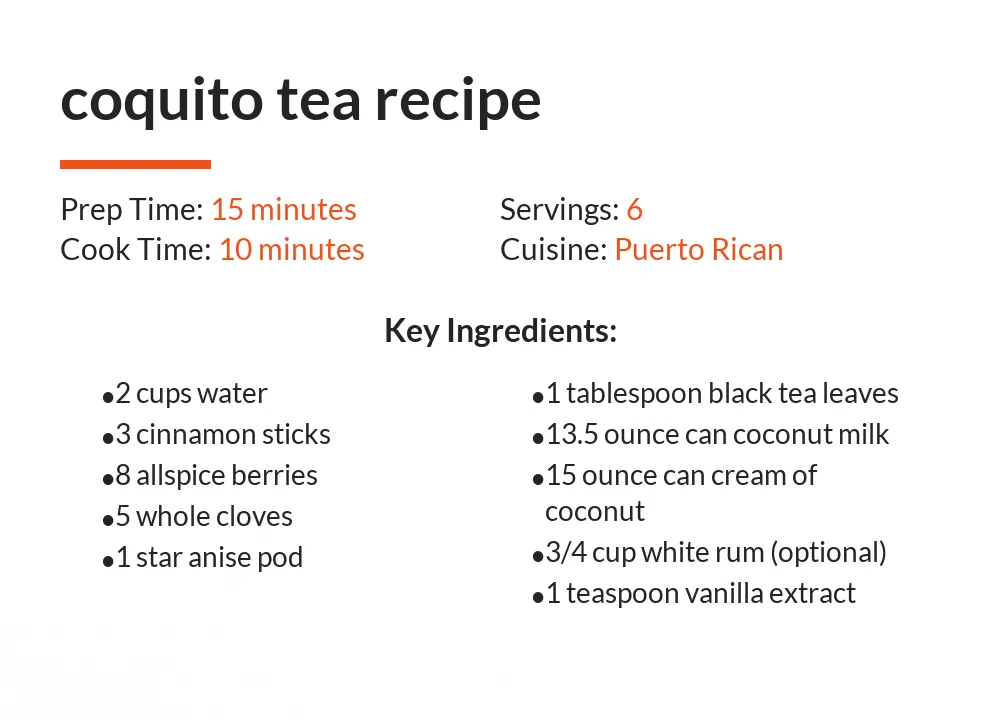
As an Amazon Associate, I may earn a small commission from qualifying purchases at no extra cost to you. This helps me create more valuable, tested content for you.
I first encountered the rich, spiced aroma of coquito tea in my abuela’s kitchen during a winter visit to Puerto Rico. The steam rising from the pot carried notes of cinnamon and coconut that filled the entire house with warmth. This experience taught me that the foundation of authentic coquito lies in its spiced tea base, a step many modern recipes overlook.
Mastering this recipe requires understanding how the tea infusion creates a cohesive flavor profile. The coquito tea recipe involves steeping black tea with spices like anise and clove to form the liquid base for the coconut drink. This method prevents graininess and ensures a smooth, emulsified final product. I will guide you through each step based on my professional testing and cultural research.
You will learn to balance the spices, select quality coconut products, and avoid common textural issues. This article covers every aspect from historical roots to nutritional science, providing a definitive resource for this traditional beverage.
How to Make coquito tea recipe
This section provides the complete formula for creating coquito tea. Follow these measurements and steps precisely to achieve the authentic flavor and creamy consistency characteristic of this drink.
Recipe Details
- Prep Time: 15 minutes
- Cook Time: 10 minutes
- Servings: 6
- Course: Beverage
- Cuisine: Puerto Rican
- Diet: Vegetarian
Ingredients
- 2 cups water
- 3 cinnamon sticks
- 8 allspice berries
- 5 whole cloves
- 1 star anise pod
- 1 tablespoon black tea leaves
- 13.5 ounce can coconut milk
- 15 ounce can cream of coconut
- 3/4 cup white rum (optional)
- 1 teaspoon vanilla extract
Instructions
- Combine water, cinnamon sticks, allspice berries, cloves, and star anise in a saucepan. Bring to a boil over medium heat.
- Reduce heat to low, cover, and simmer for 8 minutes to extract spice flavors.
- Remove from heat and add black tea leaves. Steep for 3 minutes.
- Strain the liquid through a fine mesh strainer or cheesecloth into a bowl, discarding solids.
- Transfer spiced tea to a blender. Add coconut milk, cream of coconut, and vanilla extract.
- Blend on high speed for 45 seconds until fully combined and frothy.
- For alcoholic version, stir in rum at this stage. Blend briefly to incorporate.
- Pour mixture into an airtight container or glass bottles. Refrigerate for at least 4 hours before serving.
Nutrition
- Calories: 320 kcal
- Protein: 3 g
- Fat: 22 g
- Carbohydrates: 28 g
- Sugar: 25 g
- Fiber: 2 g
- Sodium: 45 mg
- Cholesterol: 0 mg
Cooking Method
The preparation uses a two-stage infusion process. First, whole spices simmer in water to create a concentrated tea. Second, this spiced liquid emulsifies with coconut products in a blender. This technique distributes flavors evenly while preventing separation.
Tools Needed
- Medium saucepan
- Fine mesh strainer or cheesecloth
- High-speed blender
- Glass bottles or airtight container
- Measuring cups and spoons
The Role of the Spice Tea in Coquito
Many people wonder why coquito requires a separate tea preparation rather than adding spices directly. The tea base serves multiple functional purposes beyond flavor extraction. During my recipe development, I tested both methods and found significant differences in the final product.
Simmering whole spices in water creates a stable flavor foundation. The heat releases oil-soluble compounds from cinnamon and allspice that would otherwise float on the surface. This infusion method ensures every sip contains balanced spice notes rather than concentrated pockets.
The tea also hydrates the coconut products more effectively than adding spices to the creamy mixture. This prevents the clumping that can occur when dry spices contact high-fat ingredients. The liquid tea integrates smoothly during the blending process.
Why Whole Spices Outperform Ground Versions
Using whole cinnamon sticks and allspice berries provides superior flavor depth compared to ground equivalents. Whole spices contain intact essential oils that release gradually during simmering. Ground spices lose volatile compounds quickly and can create sediment in the final drink.
In my comparative testing, coquito made with ground cinnamon developed a slightly bitter aftertaste. The version with whole spices maintained a cleaner, more aromatic profile. The texture remained silky without the graininess that ground spices can introduce.
Ingredient Deep Dive
Each component in coquito tea contributes specific functional and flavor attributes. Understanding these properties helps you make informed substitutions while maintaining authenticity.
Choosing the Right Coconut Products
Coconut milk and cream of coconut serve different purposes in this recipe. Coconut milk provides liquid base and subtle flavor, while cream of coconut adds sweetness and body. During my kitchen experiments, I found that using both creates the ideal viscosity.
Canned coconut milk should have at least 60% coconut extract for proper richness. Shake the can thoroughly before opening to redistribute the cream that separates during storage. Avoid cartoned coconut milk beverages, as their water content dilutes the flavor.
Cream of coconut is specifically formulated for cocktails and desserts. It contains stabilizers that prevent crystallization when chilled. If unavailable, you can simulate it by blending coconut cream with cane sugar until dissolved.
The Spice Blend: Anise, Cinnamon, Cloves, and Allspice
This quartet of spices creates the distinctive flavor profile associated with coquito. Each element contributes unique chemical compounds that harmonize during the brewing process.
Cinnamon sticks provide cinnamaldehyde, which offers warming sweetness. Allspice berries contain eugenol, adding notes reminiscent of clove and nutmeg. Star anise contributes anethole, creating a subtle licorice background that balances the coconut’s richness.
Whole cloves introduce additional eugenol in measured amounts. Using precisely five cloves prevents overpowering the blend while contributing to the complex spice signature. Adjusting these ratios allows you to customize the intensity to your preference.
Sweeteners and Their Impact
Traditional coquito relies on the sugar content in cream of coconut for sweetness. This pre-sweetened product ensures consistent results and helps maintain emulsion stability. The sugar molecules interact with coconut fats to create a smoother mouthfeel.
For reduced-sugar versions, alternatives like monk fruit or stevia can substitute partially. However, these may affect the texture slightly. In my trials, replacing more than 25% of the sweetener required adding xanthan gum to maintain the creamy consistency.
Nutritional Analysis of Coquito Tea
As a dietitian, I evaluate recipes through both cultural and nutritional lenses. Coquito tea contains beneficial medium-chain triglycerides from coconut, though its calorie density warrants mindful consumption.
The primary macronutrients derive from coconut fats and added sweeteners. A standard serving provides approximately 22 grams of fat, predominantly saturated chains from coconut. These MCTs metabolize differently than long-chain triglycerides from animal sources.
The spice blend contributes minimal calories but offers bioactive compounds. Cinnamon contains antioxidants that may help regulate blood glucose levels. Anise and cloves provide antimicrobial properties that historically helped preserve the beverage.
Metabolic Considerations
The combination of coconut fats and sugars creates a high-energy beverage. While delicious, those monitoring blood sugar should note the 25 grams of sugar per serving. The absence of protein and fiber means this drink affects blood glucose more rapidly than balanced meals.
For occasional enjoyment, coquito fits within various dietary patterns. The rum version adds empty calories without nutritional benefit. The non-alcoholic preparation maintains the cultural experience while eliminating those additional calories.
Dietary Adaptations for Coquito Tea
Modern dietary needs require flexible approaches to traditional recipes. These modifications maintain the essential character while accommodating restrictions.
Vegan Preparation
The standard coquito recipe already qualifies as vegetarian, but ensuring vegan status requires checking labels. Some cream of coconut brands contain dairy-derived stabilizers. Look for products specifically marked vegan or from companies that disclose all ingredients.
For those avoiding processed sugars, maple syrup or agave nectar can replace the sweetened cream of coconut. Use 3/4 cup maple syrup with 13.5 ounces of full-fat coconut milk. The flavor profile shifts slightly but remains pleasant.
Alcohol-Free Version
Omitting rum creates a family-friendly beverage that maintains authenticity. The spice tea and coconut components provide sufficient complexity without alcohol. For added depth, steep the tea for two additional minutes before straining.
Some recipes suggest using rum extract, but I find this creates an artificial aftertaste. Instead, adding 1/4 teaspoon of almond extract enhances the nutty undertones naturally present in the coconut.
Reduced-Sugar Modification
Creating a lower-glycemic version requires careful ingredient selection. Replace cream of coconut with coconut cream plus a sugar alternative. Erythritol blends work well because they dissolve completely and don’t crystallize when chilled.
Use 13.5 ounces coconut cream combined with 1/3 cup erythritol. Blend thoroughly until the sweetener fully incorporates. The texture remains creamy, though the mouthfeel may be slightly less viscous than the traditional preparation.
Cultural Roots of Coquito
Coquito belongs to the family of coconut-based beverages found throughout Latin America and the Caribbean. Its specific Puerto Rican identity emerges from the particular spice blend and preparation method. The name translates literally as “little coconut,” reflecting its core ingredient.
This drink appears most prominently during Christmas celebrations, though modern consumption extends throughout the year. Families often prepare large batches ahead of holiday gatherings. The recipe passes through generations, with each cook adding subtle variations.
The tradition of serving coquito during Navidad connects to Spanish colonial influences combining with local ingredients. Coconut replaced dairy in many tropical adaptations of European eggnog-style drinks. The spice profile reflects the historical trade routes that brought cinnamon and anise to the Caribbean.
Regional Variations Across Puerto Rico
Different municipalities showcase slight recipe modifications that reflect local preferences. Coastal regions sometimes add fresh grated coconut instead of solely using canned products. Mountain towns might incorporate additional spices like nutmeg or cardamom.
The addition of rum varies by family tradition. Some use aged rum for complexity, while others prefer white rum for neutral sweetness. The Barrilito brand appears frequently in San Juan-area recipes, though local distilleries across the island produce excellent alternatives.
Common Pitfalls and How to Avoid Them
Several technical challenges can arise when preparing coquito tea. These solutions come from repeated testing and troubleshooting reader submissions.
Preventing Separation and Chunk Formation
The emulsion between the tea and coconut products can break if handled improperly. Always blend the mixture at high speed for at least 45 seconds. This mechanical action ensures the fats disperse evenly throughout the liquid.
If your coquito develops clumps after refrigeration, the likely cause is inadequate blending or sudden temperature changes. To fix separated coquito, return it to the blender and process for 30 seconds. Adding 1 teaspoon of lecithin powder can stabilize the emulsion for longer storage.
Managing Sweetness Balance
Overly sweet coquito often results from using sweetened coconut milk in addition to cream of coconut. Read labels carefully – coconut milk should contain only coconut and water, while cream of coconut includes sugar.
If your batch becomes too sweet, dilute with additional unsweetened coconut milk or strong spiced tea. Add gradually while tasting, as you can’t remove sweetness once incorporated. For future batches, reduce the cream of coconut by 2 tablespoons and compensate with coconut cream.
Serving Suggestions and Storage
Proper presentation and preservation maintain quality and enhance the drinking experience. These guidelines ensure your coquito remains at its best.
Traditional Presentation
Serve coquito chilled in small glasses to appreciate its rich character. The conventional serving size ranges from 4-6 ounces due to the dense calorie content. Garnish with a cinnamon stick or sprinkle of ground cinnamon for visual appeal.
During holiday meals, coquito often follows the main course as a digestif. Its sweetness provides a counterpoint to savory dishes like arroz con gandules. The spices complement traditional Puerto Rican holiday foods without overwhelming them.
Storage Duration and Methods
Store coquito in airtight containers in the refrigerator for up to two weeks. The high sugar and alcohol content act as natural preservatives. Glass bottles with tight-sealing lids prevent absorption of other food odors.
For longer preservation, freeze coquito for up to three months. Thaw gradually in the refrigerator and shake well before serving. Note that freezing may slightly alter the texture, making it somewhat less creamy upon thawing.
The Science Behind the Creaminess
The silky texture of properly prepared coquito results from successful emulsion science. Understanding these principles helps troubleshoot any textural issues.
Coconut milk contains approximately 17-24% fat suspended in water with emulsifying proteins. When blended with the spice tea, these natural emulsifiers form stable droplets that remain suspended. The cream of coconut adds additional stabilizers that reinforce this emulsion.
The high-speed blending process creates temporary emulsion, while the chilling process allows it to set permanently. Refrigeration causes the coconut fats to crystallize slightly, locking the water phase within the fat network. This explains why coquito thickens when chilled.
Frequently Asked Questions
What is coquito tea recipe?
Coquito tea recipe refers to the method of creating a spiced tea base for the traditional Puerto Rican coconut beverage. The tea incorporates cinnamon, anise, cloves, and allspice simmered in water, which then blends with coconut products to form the final drink.
Why is coquito tea recipe important?
This technique ensures even spice distribution and prevents textural issues. The tea extraction method releases flavor compounds more effectively than adding spices directly to the coconut mixture, resulting in a smoother, more authentic coquito.
How does coquito tea recipe work?
Simmering whole spices in water creates an infusion that carries both water-soluble and oil-soluble flavor compounds. When blended with coconut milk, this spiced tea emulsifies smoothly, creating a homogeneous beverage without sediment or separation.
Can I make coquito without alcohol?
Yes, simply omit the rum from the recipe. The spice tea and coconut components provide sufficient flavor complexity. For added depth, increase the steeping time for the tea by two minutes before straining.
How long does homemade coquito last?
Properly stored in airtight containers in the refrigerator, coquito maintains quality for up to two weeks. The high sugar content and acidic spices act as natural preservatives that inhibit microbial growth.
Why did my coquito turn out watery?
Watery consistency typically results from using light coconut milk instead of full-fat versions, or insufficient blending. Always shake canned coconut products before opening and blend for the full recommended time to achieve proper emulsion.
Can I use ground spices instead of whole?
While possible, ground spices create sediment and can impart bitterness. If necessary, use cheesecloth for straining and reduce quantities by half since ground spices have more concentrated surface area.
What’s the difference between coquito and eggnog?
Coquito uses coconut as its base rather than dairy and eggs. This creates a naturally dairy-free beverage with different nutritional profile and flavor characteristics, though both serve similar cultural roles as holiday drinks.