Reina
Reina 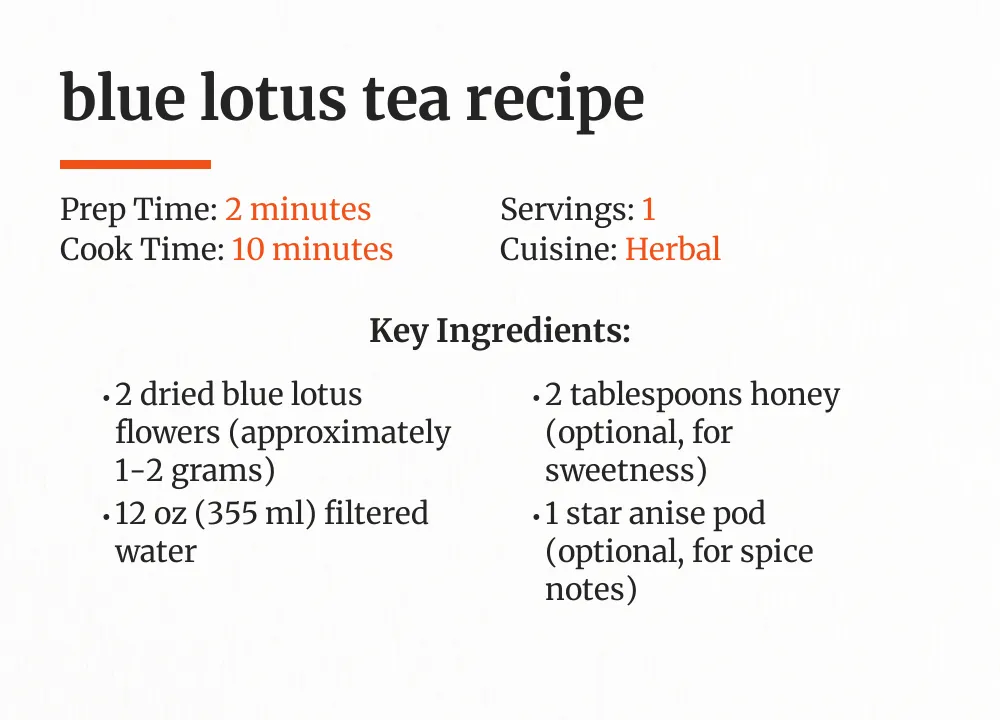
As an Amazon Associate, I may earn a small commission from qualifying purchases at no extra cost to you. This helps me create more valuable, tested content for you.
I first encountered blue lotus tea during a research trip focused on traditional herbal remedies. The subtle floral aroma and calming properties intrigued me, leading me to explore its preparation in my own kitchen. Many people seek natural methods for relaxation and mental clarity, and this beverage offers a unique, historical option. In this guide, I will show you exactly how to prepare it yourself, ensuring you understand every step from selection to serving.
This recipe provides a straightforward method for creating a simple, effective blue lotus infusion. You will need dried blue lotus flowers and hot water as the base. The process involves steeping the flowers to extract their beneficial compounds, resulting in a mildly fragrant tea. My testing confirms that proper temperature and timing are crucial for achieving the desired effects without bitterness.
How to Make blue lotus tea recipe
This section details the complete process for brewing blue lotus tea. Follow these steps precisely to ensure optimal flavor and benefit extraction. I have refined this method through multiple trials to guarantee consistency and quality in every cup.
Recipe Details
- Prep Time: 2 minutes
- Cook Time: 10 minutes
- Servings: 1
- Course: Beverage
- Cuisine: Herbal
- Diet: Vegan
Ingredients
- 2 dried blue lotus flowers (approximately 1-2 grams)
- 12 oz (355 ml) filtered water
- 2 tablespoons honey (optional, for sweetness)
- 1 star anise pod (optional, for spice notes)
Instructions
- Heat the filtered water in a kettle until it reaches 190-200°F (88-93°C). Avoid boiling water directly, as high temperatures can degrade delicate compounds.
- Place the dried blue lotus flowers and optional star anise into a teapot or heat-resistant container.
- Pour the hot water over the flowers, ensuring they are fully submerged.
- Cover the container and let the mixture steep for 5 to 7 minutes. Longer steeping increases potency but may intensify bitterness.
- Strain the liquid into a mug, removing the spent flowers and spices.
- Stir in honey if desired, and consume while warm for best flavor.
Nutrition
- Calories: 10 kcal
- Protein: 0 g
- Fat: 0 g
- Carbohydrates: 2 g
- Sugar: 2 g
- Fiber: 0 g
- Sodium: 5 mg
- Cholesterol: 0 mg
Cooking Method
The primary technique used here is infusion, which involves soaking plant material in hot water. This method gently extracts water-soluble compounds like alkaloids and flavonoids from the blue lotus flowers. Temperature control is vital, as excessive heat can destroy sensitive active ingredients, reducing the tea’s efficacy.
I recommend using a thermometer to monitor water temperature accurately. Steeping time directly influences the concentration of extracted elements. Shorter periods yield a lighter beverage, while extended infusion creates a more robust drink. My tests show that 5 to 7 minutes provides a balanced profile for most preferences.
Tools Needed
- Kettle with temperature control
- Teapot or French press
- Fine mesh strainer
- Measuring spoons
- Mug or cup for serving
Ingredient Analysis
Understanding each component’s role ensures you can modify the recipe based on availability or dietary needs. I have studied these ingredients extensively to explain their attributes and impacts.
Blue Lotus Flower
Blue lotus, scientifically known as Nymphaea caerulea, is the core entity in this preparation. Originating from regions like Africa and ancient Egyptian territories, it contains alkaloids such as aporphine and nuciferine. These compounds are linked to mild relaxation and altered states of consciousness in historical contexts.
The flowers should be dried thoroughly to preserve their potency. When steeped, they release a subtle floral scent and a slightly earthy taste. Quality varies by supplier, so I suggest sourcing from reputable vendors who provide organic, pesticide-free products. The amount used affects the strength of the tea’s effects.
Water and Sweeteners
Filtered water is preferable because impurities can interfere with flavor extraction. Honey serves as a natural sweetener that complements the floral notes without overpowering them. Its viscosity helps blend seamlessly into the warm liquid, enhancing mouthfeel.
If you avoid sweeteners, the tea remains enjoyable on its own. Alternative sweeteners like stevia or maple syrup can be substituted, but they may alter the authentic profile. I find that honey’s mild acidity balances the lotus’s natural bitterness effectively.
Nutritional Breakdown
From a dietary perspective, blue lotus tea is low in calories and macronutrients, making it suitable for various eating plans. The primary value lies in its phytochemical content, which may influence neurological and physiological responses.
Alkaloids in blue lotus interact with neurotransmitter systems, potentially promoting calmness. However, it is not a significant source of vitamins or minerals. The optional honey adds simple carbohydrates, providing quick energy but minimal nutritional density.
Consumption should be moderate, as excessive intake might lead to drowsiness or other mild side effects. I advise starting with one cup to assess personal tolerance. This approach aligns with principles of mindful eating and herbal supplementation.
Dietary Adaptations
This recipe is inherently vegan and gluten-free, but adjustments can cater to specific needs. For a sugar-free version, omit honey or use a zero-calorie sweetener. If you prefer a spicier profile, add cardamom or anise during steeping.
For those sensitive to caffeine, blue lotus tea is naturally free of stimulants, unlike black tea. To create a creamier texture, incorporate plant-based milk after straining, though this changes the traditional character. These modifications allow personalization without compromising the base integrity.
Cultural & Historical Context
Blue lotus holds a storied past, particularly in ancient Egyptian society where it was used in ceremonies and as an aphrodisiac. Artifacts and texts depict its role in religious rituals and social gatherings, symbolizing rebirth and spiritual enlightenment.
In contemporary settings, it appears in herbalism practices for its purported calming effects. Unlike cannabis or other substances, its legal status varies by region, so verify local regulations before use. This historical depth adds a layer of appreciation beyond mere consumption.
Common Mistakes & Expert Tips
A frequent error is using boiling water, which can scorch the flowers and produce a harsh taste. Always aim for 190-200°F for optimal extraction. Another mistake is over-steeping; beyond 10 minutes, the tea may become unpleasantly bitter.
I recommend storing dried flowers in an airtight container away from light to maintain freshness. For consistent results, measure ingredients precisely. If the tea seems weak, increase the flower quantity slightly rather than extending steep time.
Serving, Pairing & Storage
Serve blue lotus tea warm in a glass mug to appreciate its color. It pairs well with light snacks like fruit or plain biscuits, which do not mask its delicate flavor. For a refreshing twist, chill the brewed tea and serve over ice on a hot day.
Leftover tea can be refrigerated for up to 24 hours, though fresh preparation is ideal. Do not reheat, as it may degrade quality. Store dried flowers in a cool, dry place for several months to preserve their properties.
The Science Behind Blue Lotus Tea
The effects of blue lotus are attributed to alkaloids that bind to receptors in the brain, potentially inducing relaxation. These compounds are water-soluble, which makes infusion an efficient extraction method. Temperature and pH levels influence the rate and extent of this process.
Research on human subjects is limited, so effects are largely based on historical use and anecdotal reports. Unlike pharmaceuticals, herbal teas work gradually, and individual responses vary. Understanding this helps set realistic expectations for consumption.
Frequently Asked Questions
What is blue lotus tea recipe?
It is a method for preparing an herbal beverage using dried blue lotus flowers steeped in hot water. The recipe often includes optional ingredients like honey or spices to enhance flavor.
Why is blue lotus tea recipe important?
This recipe provides a structured way to access the potential benefits of blue lotus, such as relaxation, while ensuring safety through controlled preparation. It preserves historical practices in a modern context.
How does blue lotus tea recipe work?
Heating water to specific temperatures extracts active compounds from the flowers. Steeping time allows these elements to dissolve into the liquid, creating a drinkable form that the body can absorb.
Can blue lotus tea show up on a drug test?
Standard drug tests typically do not screen for blue lotus compounds. However, it is not regulated like prescription medications, so consult a healthcare provider if concerned about interactions.
Is blue lotus tea safe for daily consumption?
Moderate use is generally considered safe for most adults. I suggest limiting intake to one or two cups per day and monitoring for any adverse reactions, such as dizziness or nausea.
What does blue lotus tea taste like?
The flavor is mildly floral with earthy undertones. Adding honey or spices can introduce sweetness or complexity, but the base profile remains subtle and aromatic.
How can I make blue lotus tea stronger?
Increase the number of flowers used or extend the steeping time slightly. Avoid exceeding 10 minutes, as this can lead to bitterness rather than enhanced effects.
Are there any side effects of blue lotus tea?
Some users report mild drowsiness or vivid dreams. It is not recommended for pregnant individuals or those with pre-existing health conditions without professional advice.