Reina
Reina 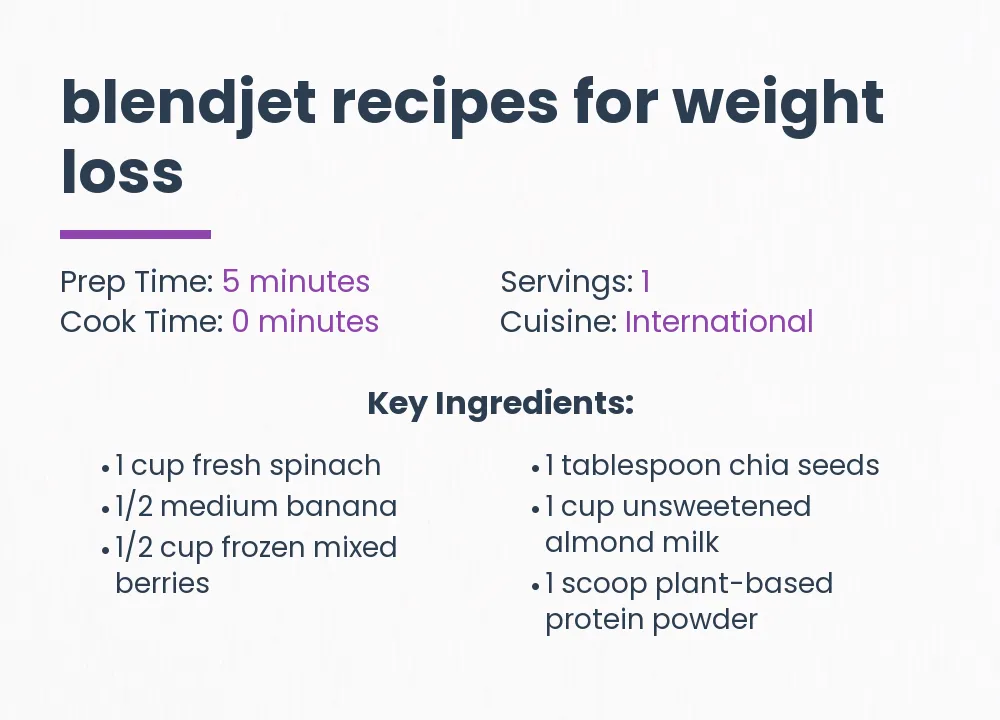
As an Amazon Associate, I may earn a small commission from qualifying purchases at no extra cost to you. This helps me create more valuable, tested content for you.
Many people find it difficult to maintain a healthy diet while managing a busy life. I faced this challenge myself until I started using a Blendjet for daily meals.
In my work as a dietician, I have helped clients incorporate these recipes into their routines. The convenience of a portable blender makes it easier to stick to weight loss plans.
This article will guide you through creating effective smoothies that support weight management. We begin with a basic recipe that I use frequently.
How to Make blendjet recipes for weight loss
This section provides a complete recipe for a weight loss smoothie. I developed this formula after testing various ingredient combinations.
It focuses on balance and nutrition to keep you full and energized. Follow these steps for consistent results.
Recipe Details
- Prep Time: 5 minutes
- Cook Time: 0 minutes
- Servings: 1
- Course: Breakfast or Snack
- Cuisine: International
- Diet: Vegan
Ingredients
- 1 cup fresh spinach
- 1/2 medium banana
- 1/2 cup frozen mixed berries
- 1 tablespoon chia seeds
- 1 cup unsweetened almond milk
- 1 scoop plant-based protein powder
Instructions
- Place all ingredients into the Blendjet container.
- Secure the lid tightly to prevent leaks.
- Blend for 30-45 seconds until the mixture is smooth.
- Check consistency and blend longer if needed.
- Pour into a glass and consume immediately.
Nutrition
- Calories: 250 kcal
- Protein: 15 g
- Fat: 8 g
- Carbohydrates: 35 g
- Sugar: 18 g
- Fiber: 10 g
- Sodium: 150 mg
- Cholesterol: 0 mg
Cooking Method
This recipe uses cold blending, which preserves nutrients. No heat application is involved in the process.
The Blendjet’s blades crush and emulsify ingredients efficiently. This method ensures a uniform texture without oxidation.
Tools Needed
You will require a Blendjet portable blender for this recipe. Measuring cups and spoons help with accuracy.
A glass or reusable bottle is useful for serving. Cleaning the blender immediately after use maintains hygiene.
Nutritional Science Behind Weight Loss Smoothies
Understanding the science helps in customizing recipes for better outcomes. I often explain this to clients for long-term success.
Smoothies can be tailored to control calorie intake while providing essential nutrients. The key lies in macronutrient balance.
Role of Protein and Fiber
Protein sources like plant-based powders increase satiety. This reduces overall calorie consumption throughout the day.
Fiber from fruits and seeds slows digestion. It stabilizes blood sugar levels and prevents cravings.
Impact on Metabolism
Certain ingredients can slightly boost metabolic rate. For example, green vegetables require more energy to digest.
Cold blends might increase thermogenesis. Your body works to warm the drink, burning extra calories.
Ingredient Analysis for Optimal Results
Each component in the recipe serves a specific purpose. I select items based on nutritional density and flavor.
Let’s break down the primary entities used in these blends.
Leafy Greens like Spinach
Spinach is rich in iron, vitamins A and C, and folate. It adds volume with minimal calories.
I prefer fresh spinach for its mild taste. It blends well without overpowering other flavors.
Fruits and Their Properties
Bananas provide potassium and natural sweetness. Using half a banana controls sugar content.
Frozen berries offer antioxidants and fiber. They also give a thick consistency without ice.
Seeds and Liquids
Chia seeds are high in omega-3 fatty acids and fiber. They expand in liquid, promoting fullness.
Unsweetened almond milk is low in calories. It serves as a base that doesn’t add excessive sugars.
Dietary Adaptations for Various Needs
This recipe can be modified to suit different dietary restrictions. I have implemented these changes for clients with specific requirements.
Always consider individual tolerances and preferences.
Vegan and Dairy-Free Options
The base recipe is already vegan. For added protein, use pea or rice protein powders.
Ensure that all ingredients are certified plant-based. Check labels for hidden animal derivatives.
Low-Sugar Variations
Reduce fruit quantity and add more greens. Stevia or monk fruit can serve as sweeteners.
Incorporate vegetables like cucumber or celery. They provide hydration with minimal sugar.
Gluten-Free Considerations
Most smoothie ingredients are naturally gluten-free. Verify that protein powders and additives are certified.
Cross-contamination is rare in blending. Use clean equipment to avoid issues.
Historical and Cultural Context of Blended Drinks
Blended beverages have roots in various cultures worldwide. I find it fascinating how they evolved into modern smoothies.
In Latin America, fruit blends have been consumed for centuries. They were often mixed with local ingredients like chia.
The term “smoothie” gained popularity in the United States during the 1960s. Health food movements promoted these drinks for wellness.
Portable blenders like Blendjet made them accessible. This innovation aligns with today’s fast-paced lifestyles.
Common Mistakes and Expert Tips
Avoiding errors ensures that your smoothies support weight loss. I have compiled tips from my experiences.
These suggestions help achieve the desired consistency and nutrition.
Overloading with High-Calorie Ingredients
Adding too many nuts or sweeteners increases calories. Measure portions carefully to stay within limits.
Stick to the recipe ratios initially. Adjust based on your energy needs and goals.
Incorrect Blending Techniques
Under-blending leaves chunks that affect texture. Blend in short bursts if the motor strains.
Layer ingredients with liquids at the bottom. This prevents jamming and ensures smooth operation.
Neglecting Hydration and Balance
Smoothies should complement a balanced diet. Drink plenty of water throughout the day.
Pair these blends with whole foods for meals. They are not meant to replace all nutrition sources.
Serving Suggestions and Storage Tips
How you consume and store smoothies affects their benefits. I recommend immediate consumption for best quality.
If storage is necessary, take precautions to preserve nutrients.
Optimal Serving Conditions
Drink smoothies soon after blending to maximize freshness. Nutrient loss can occur over time due to exposure.
Use a straw to reduce tooth enamel contact with acids. This is especially important for fruit-based recipes.
Storage Methods
Refrigerate leftovers in an airtight container for up to 24 hours. Shake well before drinking as separation may occur.
Freezing is possible but may alter texture. Thaw in the refrigerator and re-blend briefly.
The Science of Blending and Nutrient Absorption
Blending breaks down cell walls in fruits and vegetables. This can make some nutrients more bioavailable.
For instance, the body may absorb carotenoids better from blended spinach. However, fiber remains intact, aiding digestion.
Oxidation from blending can reduce vitamin C content. Adding citrus juice or blending quickly minimizes this effect.
Understanding these processes helps in optimizing recipes. I adjust ingredients based on desired nutritional outcomes.
Frequently Asked Questions
What is blendjet recipes for weight loss?
These are smoothie recipes designed for weight management using a Blendjet blender. They focus on low-calorie, high-nutrient ingredients.
Why is blendjet recipes for weight loss important?
They provide a convenient way to consume balanced meals. Portability supports consistency in healthy eating habits.
How does blendjet recipes for weight loss work?
By controlling calorie intake and increasing satiety. The blends are rich in protein and fiber, which help reduce hunger.
Can I use other blenders for these recipes?
Yes, any blender can work, but Blendjet offers portability. Adjust blending times based on your appliance’s power.
How often should I drink these smoothies?
Once or twice daily as meal replacements or snacks. Monitor your body’s response and adjust frequency accordingly.
Are these recipes suitable for diabetics?
Yes, with modifications to reduce sugar content. Focus on low-glycemic ingredients and consult a healthcare provider.
What if I don’t have protein powder?
Omit it or use Greek yogurt for non-vegans. The recipe will still be effective but lower in protein.
Can I add supplements to these smoothies?
Yes, but start with small doses. Blend well to ensure even distribution and avoid clumping.