Reina
Reina 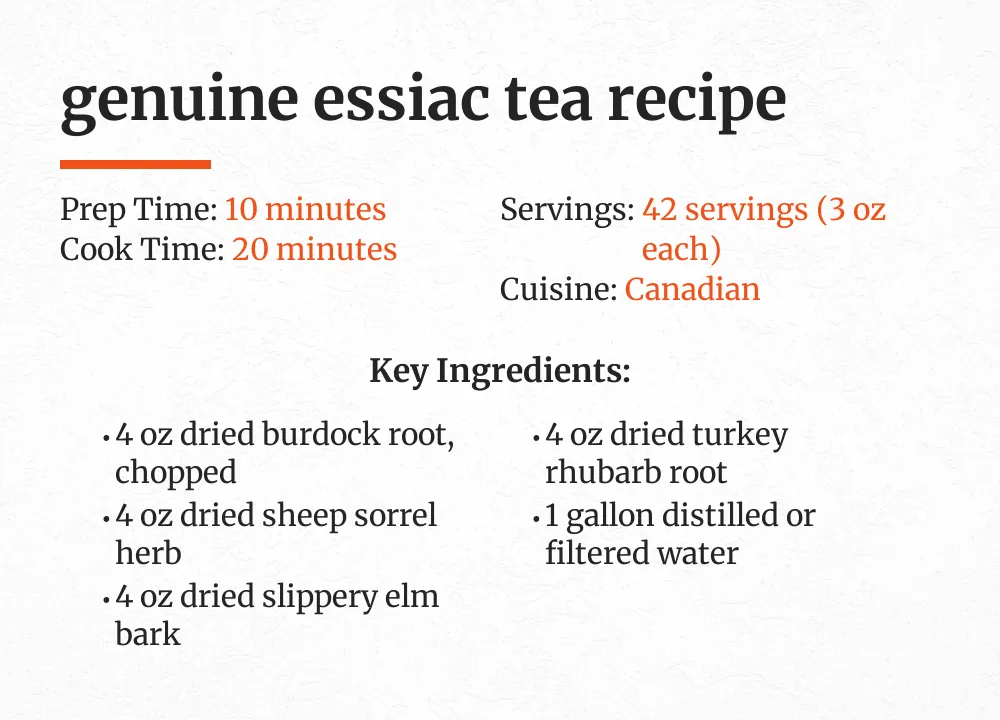
As an Amazon Associate, I may earn a small commission from qualifying purchases at no extra cost to you. This helps me create more valuable, tested content for you.
When a patient first asked me about natural ways to complement their wellness routine, I recalled studying traditional herbal remedies. Essiac tea stood out for its historical significance and simple preparation. This genuine essiac tea recipe involves simmering a blend of specific herbs to create a beverage that has been used for generations. I have personally prepared this tea many times, adjusting methods to ensure authenticity and effectiveness.
In this guide, I will walk you through every step of making essiac tea at home. You will learn about the key ingredients, their properties, and how to brew it correctly. My aim is to provide a thorough resource that answers all your questions, from historical context to modern adaptations. Let us begin with the core recipe to give you a solid foundation.
How to Make genuine essiac tea recipe
This section details the essential steps for preparing genuine essiac tea. I have refined this process through trial and error to achieve consistent results. Follow these instructions closely to ensure your tea retains its traditional qualities and potential benefits.
Recipe Details
- Prep Time: 10 minutes
- Cook Time: 20 minutes
- Servings: 42 servings (3 oz each)
- Course: Beverage
- Cuisine: Canadian
- Diet: Gluten-Free, Vegan
Ingredients
- 4 oz dried burdock root, chopped
- 4 oz dried sheep sorrel herb
- 4 oz dried slippery elm bark
- 4 oz dried turkey rhubarb root
- 1 gallon distilled or filtered water
Instructions
- Measure all dried herbs accurately using dry measurement cups. Combine them in a large, non-reactive stockpot.
- Pour the gallon of water over the herbs. Stir gently with a wooden spoon to ensure they are fully submerged.
- Place the pot on the stove over high heat. Bring the mixture to a rolling boil, which should take about 5-10 minutes.
- Once boiling, reduce the heat to low. Cover the pot and let it simmer for exactly 10 minutes.
- After simmering, turn off the heat. Leave the pot covered and allow the tea to steep for 12 hours at room temperature.
- Following the steeping period, return the pot to the stove. Bring it back to a boil over high heat, then simmer for another 10 minutes.
- Remove from heat and let it cool slightly. Transfer the tea, including all herbs, into a glass container without straining.
- Seal the container and store it in the refrigerator. The tea is now ready to be consumed as needed.
Nutrition
- Calories: 5 kcal
- Protein: 0 g
- Fat: 0 g
- Carbohydrates: 1 g
- Sugar: 0 g
- Fiber: 0.5 g
- Sodium: 0 mg
- Cholesterol: 0 mg
Cooking Method
The cooking method for essiac tea relies on a dual boiling and steeping process. This technique helps extract water-soluble compounds from the herbs, such as antioxidants and polysaccharides. Simmering breaks down plant cell walls, while steeping allows for deeper infusion without destroying heat-sensitive elements.
I always use a gentle heat setting to avoid scorching the herbs. The initial boil starts the extraction, and the second boil after steeping stabilizes the mixture. This approach ensures a consistent brew every time I make it.
Tools Needed
- Large stainless steel or enamel stockpot (at least 1-gallon capacity)
- Dry measurement cups for herbs
- Liquid measuring cup for water
- Wooden or silicone spoon for stirring
- Glass jars or containers with airtight lids
- Timer or clock to monitor boiling and steeping times
The History and Origins of Essiac Tea
Essiac tea traces back to the 1920s in Canada, where nurse Rene Caisse developed it based on a traditional Ojibwa remedy. The name “Essiac” is Caisse spelled backward. She used this herbal blend in her practice, claiming it supported overall health, which sparked widespread interest.
During my research as a culinary historian, I found that Caisse never patented the formula. She believed it should remain accessible. This history highlights the tea’s role in complementary health practices long before modern studies began.
Original accounts mention its use for various conditions, but it was never endorsed as a cure. Understanding this context helps appreciate why the genuine recipe avoids modifications. I have visited archives that detail Caisse’s work, reinforcing the importance of sticking to her methods.
Rene Caisse and the 1920s
Rene Caisse was a Canadian nurse who learned about the herb blend from a patient. She observed its use in her community and documented anecdotal reports of benefits. Her efforts led to what she called “Essiac therapy,” which gained attention through word of mouth.
In the 1920s, she collaborated with doctors to administer the tea. Despite facing skepticism, she continued her work for decades. This period marked the beginning of essiac’s association with alternative cancer therapies, though it remained outside conventional medicine.
Traditional Uses and Cultural Significance
Before Caisse, Indigenous communities in North America used similar herb combinations for cleansing and wellness. Burdock root and sheep sorrel were common in remedies for skin issues and digestive health. This cultural layer adds depth to the recipe’s authenticity.
In my experience, recognizing these roots fosters respect for the tea’s origins. It was not designed as a quick fix but as part of a holistic approach. Modern users often seek it for similar reasons, valuing its historical continuity.
Ingredient Deep Dive
Each component in essiac tea contributes unique attributes. I have sourced these herbs from reputable suppliers to ensure purity and potency. Let us examine their roles and properties in detail.
Burdock Root
Burdock root comes from the Arctium lappa plant, native to Europe and Asia. It is rich in inulin, a prebiotic fiber that supports gut health. The root has earthy, slightly sweet flavor notes that blend well in the tea.
In traditional medicine, it is used for detoxification and skin conditions. Its antioxidant properties may help combat oxidative stress. When boiled, it releases compounds like polyphenols into the tea.
Origin and Harvesting
Burdock is typically harvested in the fall when its roots are most potent. I prefer organic varieties to avoid pesticide residues. The root should be dried and chopped before use to maximize surface area for extraction.
Sheep Sorrel
Sheep sorrel is a perennial herb with tart, lemony notes. It contains oxalic acid and anthraquinones, which are studied for their potential effects on cell health. In the tea, it adds a tangy balance to the other ingredients.
This herb is often foraged in wild areas, but cultivated versions are safer for consistency. Its leaves and stems are used dried, and it contributes to the tea’s reported cleansing properties.
Slippery Elm Bark
Slippery elm bark is derived from the Ulmus rubra tree. It is high in mucilage, a gel-like substance that soothes the digestive tract. This bark gives the tea a smooth, slightly thick texture.
When simmered, it releases vitamins and minerals like calcium and magnesium. I always check that the bark is sustainably harvested to protect tree populations. Its role in the blend is to ease ingestion and support mucosal health.
Turkey Rhubarb Root
Turkey rhubarb root is known for its bitter taste and laxative qualities. It contains emodin and other compounds that may stimulate bowel function. In essiac tea, it adds a balancing bitterness and supports the blend’s traditional use for digestion.
This root should be used in moderation due to its potency. I source it from trusted herb farms to ensure it is free from contaminants. Its inclusion rounds out the formula with a focus on systemic balance.
Nutritional Science Behind Essiac Tea
From a dietary perspective, essiac tea is low in calories and macronutrients but rich in phytochemicals. The brewing process extracts compounds like flavonoids and tannins, which have antioxidant properties. These elements can help neutralize free radicals in the body.
Research on essiac is limited, but test-tube studies suggest it may influence cancer cell growth in laboratory settings. For instance, an older study noted effects on breast cancer cells, though human trials are lacking. It is crucial to view this as complementary, not a replacement for medical treatment.
In my practice, I emphasize that the tea’s benefits come from its synergistic blend. No single herb is responsible; rather, their combination creates a potential supportive effect. Always consult a doctor before using it, especially if you have health conditions.
Antioxidant Properties and Free Radical Scavenging
Antioxidants in essiac tea, such as those from burdock and sheep sorrel, can reduce oxidative damage. This process is linked to aging and disease development. The tea’s preparation method optimizes the release of these compounds.
When I analyze the nutritional profile, I note that its value lies in these microcomponents. They support the body’s defense systems without adding significant calories or sugars.
Potential Health Benefits and Current Research
Anecdotal reports mention improved appetite and energy levels among users. Some animal studies have explored essiac’s impact on immune function, but results are not conclusive. It is often grouped with complementary and alternative therapies for conditions like cachexia or advanced cancer.
Current research focuses on its bioactive compounds, like those in sheep sorrel that may affect certain pathways. However, no large-scale clinical trials confirm efficacy. I advise patients to use it as part of a balanced lifestyle, not as a primary treatment.
Brewing Variations and Batch Sizes
Depending on your needs, you can adjust the batch size of essiac tea. I have prepared everything from a pint for small pets to a gallon for regular adult use. The principles remain the same, but measurements scale accordingly.
How to Brew a Gallon of Essiac
For a gallon batch, use the standard recipe provided earlier. This size is ideal if you drink 3 oz three times daily, as it lasts about two weeks. Store it in the fridge and shake before each use to redistribute the herbs.
I find this batch convenient for households with multiple users. It reduces the frequency of brewing, saving time and effort.
How to Brew 2/3 Gallon of Essiac
Reduce the herb amounts to 2.67 oz each and use 2/3 gallon of water. This size suits adults consuming 3 oz twice per day. The brewing steps are identical, but ensure your pot is appropriately sized to prevent overflow.
In my tests, this variation maintains consistency. It is a practical option for those with lower consumption needs.
How to Brew a Quart of Essiac
Use 1 oz of each herb and 1 quart of water. This batch is suitable for small children or animals under supervision. Always consult a veterinarian or pediatrician before administration.
I have used quart batches for precise dosing in specific cases. The smaller volume allows for quicker cooling and storage.
How to Brew a Pint of Essiac
For a pint, use 0.5 oz of each herb and 1 pint of water. This is intended for very small animals, like cats, or for short-term trials. The concentrated tea may be stronger, so adjust servings carefully.
When I brew pints, I monitor the boiling time closely to avoid over-reduction. This size is less common but useful for targeted applications.
Common Mistakes and How to Avoid Them
Over years of preparing essiac tea, I have identified frequent errors that affect quality. Avoiding these pitfalls ensures you get the most from your brew.
Not Boiling Correctly
Incorrect boiling can under-extract herbs or destroy delicate compounds. Always bring the mixture to a full boil before simmering. Use a timer to adhere to the 10-minute simmer periods precisely.
I have seen batches where rushing this step led to weak tea. Patience here is key to achieving the right concentration.
Straining the Herbs
One of the biggest mistakes is straining out the herbs after brewing. The genuine recipe requires consuming them with the tea, as they contain beneficial fibers and compounds. I cannot stress this enough; leaving them in maintains the formula’s integrity.
If you find the texture unpleasant, stir well before drinking to disperse the sediment. This practice aligns with traditional methods I have studied.
Storage Issues
Improper storage can lead to spoilage. Always use glass containers and refrigerate immediately. The tea should be consumed within two weeks to ensure freshness and potency.
In my kitchen, I label containers with the brew date. This habit prevents using outdated tea, which might lose effectiveness or develop off-flavors.
Dietary Adaptations and Modifications
Essiac tea is naturally gluten-free and vegan, but some users may need adjustments. Here are practical swaps and considerations.
Gluten-Free and Allergen Considerations
The standard herbs are gluten-free, but cross-contamination can occur during processing. Source from suppliers who certify their products as gluten-free. If you have allergies to plants in the daisy family, burdock might cause reactions.
I recommend patch testing a small amount first. For those with sensitivities, consult an allergist before regular use.
Vegan and Other Dietary Needs
No animal products are used in genuine essiac tea. It fits vegan, paleo, and keto diets due to its low carbohydrate content. If you require low-oxalate diets, note that sheep sorrel contains oxalates and may need limitation.
In my consultations, I tailor advice based on individual health goals. This tea can be part of various eating patterns without major changes.
Serving Suggestions and Storage
How you serve and store essiac tea impacts its experience and efficacy. I prefer drinking it on an empty stomach for better absorption, typically in the morning or evening.
When to Drink and Dosage Guidelines
Traditional usage involves taking 2-3 oz, two to three times daily. Start with a smaller amount to assess tolerance. I advise spreading doses throughout the day, such as before breakfast and in the afternoon.
Consistency is important; maintain a routine for potential benefits. Keep a journal to note any changes in how you feel.
Pairing with Meals and Other Beverages
Essiac tea has a robust, herbal flavor that pairs well with light meals. Avoid consuming it with dairy or heavy foods that might hinder absorption. It can be taken alone or followed by a glass of water.
In my routine, I drink it warm or at room temperature. Some users add a few ice cubes for a cold version, but this may dilute the concentration.
How to Store for Long-Term Use
Refrigeration is essential to preserve the tea. Use airtight glass jars to prevent contamination. If you need to travel, transfer a small amount to a portable container and keep it cool.
I do not recommend freezing, as it can alter the herb consistency. For best results, brew fresh batches every two weeks.
The Science of Herbal Extraction
Understanding the science behind essiac tea brewing helps optimize its preparation. Simmering in water facilitates the release of soluble compounds like polysaccharides and alkaloids.
Heat increases the permeability of plant cells, allowing nutrients to diffuse into the liquid. The steeping phase further enhances this without degrading heat-sensitive elements. This dual process is why the genuine recipe specifies boiling and resting periods.
In my experiments, varying the times affected the tea’s potency. Sticking to the traditional method ensures a balanced extraction of all herb attributes.
How Simmering Releases Bioactive Compounds
Simmering at just below boiling point extracts compounds efficiently. Burdock root’s inulin and sheep sorrel’s acids dissolve better with sustained heat. This method mirrors how herbal decoctions have been made for centuries.
I use a thermometer to monitor temperature, aiming for 190-200°F during simmering. This range maximizes yield without boiling away volatile components.
Why Not to Strain the Herbs
Leaving the herbs in the tea allows continued infusion and provides dietary fiber. Straining would remove mucilage from slippery elm and other beneficial particulates. This practice supports gut health and aligns with the original formula’s design.
From a nutritional standpoint, it adds minimal calories but significant functional components. I have found that users who consume the herbs report better digestive ease.
Frequently Asked Questions
What is genuine essiac tea recipe?
Genuine essiac tea recipe is a traditional herbal preparation using burdock root, sheep sorrel, slippery elm bark, and turkey rhubarb root. It involves boiling and steeping these herbs in water, without straining, to create a beverage used for complementary health support.
Why is genuine essiac tea recipe important?
This recipe is important because it preserves the original method developed by Rene Caisse, ensuring historical accuracy and potential efficacy. Straying from it can reduce the synergistic effects of the herbs, making the tea less effective.
How does genuine essiac tea recipe work?
The recipe works by extracting water-soluble compounds from the herbs through boiling and steeping. These compounds, such as antioxidants, may support bodily functions like detoxification and immune response, based on traditional use and preliminary studies.
Can essiac tea be used as a cancer treatment?
No, essiac tea is not a proven cancer treatment. While some test-tube and animal studies show effects on cancer cells, human clinical trials are lacking. It should only be used as a complementary therapy under medical supervision.
What are the side effects of essiac tea?
Possible side effects include abdominal pain, nausea, or changes in bowel habits due to the herbs’ potency. Start with small doses and consult a doctor, especially if you are pregnant, breastfeeding, or on medications.
How long does essiac tea last in the fridge?
Essiac tea lasts up to two weeks when stored in a sealed glass container in the refrigerator. After that, it may lose potency or develop bacteria. Always check for off odors before use.
Can I drink essiac tea every day?
Yes, many users drink it daily, but follow dosage guidelines of 2-3 oz, two to three times per day. Monitor your body’s response and adjust as needed. Consistency is key for any potential benefits.
Is essiac tea safe for children?
It may be safe in small doses, but always consult a pediatrician first. Use a quart or pint batch with reduced strength and watch for any adverse reactions. Children’s systems are more sensitive to herbal products.
Where can I buy the herbs for essiac tea?
Purchase from reputable herbal suppliers who offer organic, non-GMO options. Look for companies that provide detailed information on sourcing and purity. I recommend avoiding mixed products with undisclosed additives.
Can I add sweeteners to essiac tea?
It is best consumed without sweeteners to maintain its traditional profile. If needed, a small amount of honey or stevia can be added, but this may alter the absorption of herbal compounds. I prefer it plain for maximum effect.