Reina
Reina 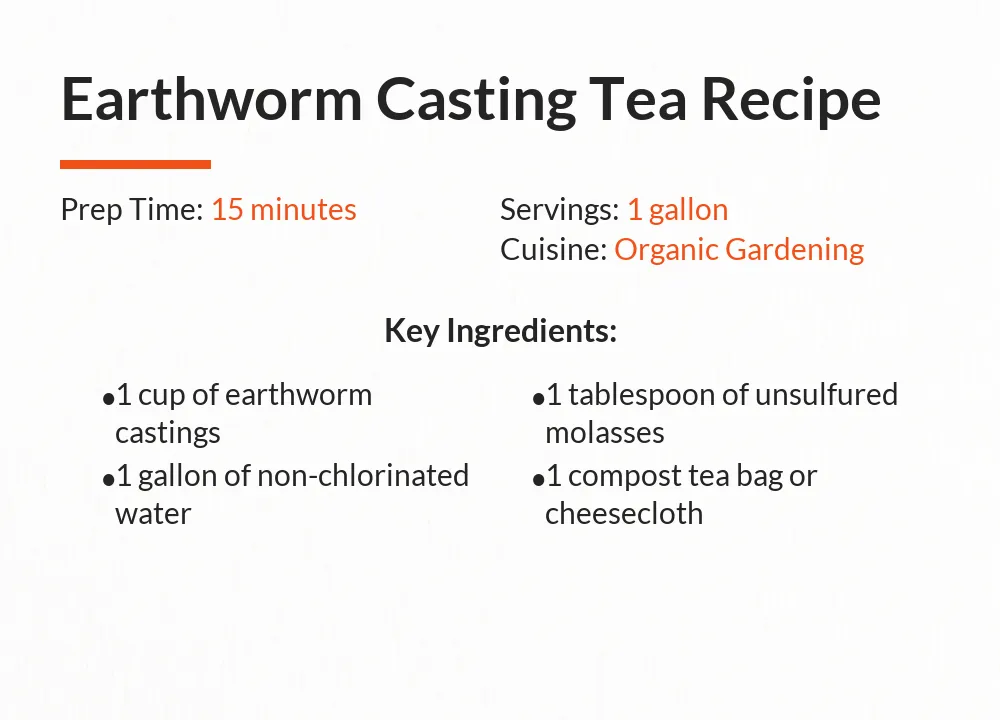
As an Amazon Associate, I may earn a small commission from qualifying purchases at no extra cost to you. This helps me create more valuable, tested content for you.
I remember the first season my garden struggled with pale, stunted growth despite regular watering and care. The soil felt lifeless, and my plants reflected that deficiency. After researching natural solutions, I discovered earthworm casting tea, a simple brew that transformed my garden into a vibrant ecosystem. This recipe leverages the power of worm castings to create a nutrient-rich liquid fertilizer, teeming with beneficial microbes that enhance soil health and plant vitality. In this guide, I will walk you through every step, from sourcing ingredients to application, ensuring you can replicate these results in your own space.
Earthworm casting tea involves brewing worm castings in aerated water to extract beneficial microorganisms and nutrients. It is not for human consumption but serves as an organic fertilizer for plants. The process requires basic tools like a bucket and an aerator, and it emphasizes aeration to support microbial activity. By following this method, you can produce a potent, natural amendment that improves soil structure and plant resilience, addressing common gardening challenges effectively.
How to Make Earthworm Casting Tea Recipe
This section provides a detailed, step-by-step approach to creating earthworm casting tea. I have refined this method through years of gardening experience, focusing on simplicity and effectiveness. The key is maintaining proper aeration and using quality ingredients to maximize the population of beneficial microbes in the final product.
Recipe Details
- Prep Time: 15 minutes
- Brew Time: 24 hours
- Servings: 1 gallon
- Course: Fertilizer
- Cuisine: Organic Gardening
- Diet: Plant-Based
Ingredients
- 1 cup of earthworm castings
- 1 gallon of non-chlorinated water
- 1 tablespoon of unsulfured molasses
- 1 compost tea bag or cheesecloth
Instructions
- Fill a clean 5-gallon bucket with one gallon of non-chlorinated water. If using city water, let it sit uncovered for 24 hours to allow chlorine to evaporate, or use a dechlorinator.
- Place the earthworm castings into a compost tea bag or a piece of cheesecloth, tying it securely to create a pouch. This prevents debris from dispersing while allowing microbes to diffuse.
- Submerge the castings pouch in the water, ensuring it is fully immersed. Add the molasses to the water, as it serves as a food source for beneficial bacteria and fungi during brewing.
- Attach an aquarium pump or aerator to the bucket, positioning the air stone at the bottom. Turn on the aerator to create bubbles, which oxygenate the mixture and promote microbial growth.
- Allow the tea to brew for 24 hours in a shaded area at room temperature. Avoid extending beyond 48 hours, as oxygen depletion can lead to anaerobic conditions and foul odors.
- After brewing, remove the castings pouch gently. You can add the spent castings to your garden soil. The tea should have a earthy smell and slight foam; if it smells rotten, discard it.
- Use the tea immediately for best results, applying it within 4 hours to preserve microbial activity. Dilute with water if desired, typically at a 1:10 ratio for gentle application.
Nutrition
- Calories: 0 kcal
- Protein: 0 g
- Fat: 0 g
- Carbohydrates: 0 g
- Sugar: 0 g
- Fiber: 0 g
- Sodium: 0 mg
- Cholesterol: 0 mg
Cooking Method
This recipe uses a brewing process rather than cooking, relying on aeration to cultivate beneficial microorganisms. The method involves steeping earthworm castings in oxygenated water, which encourages the reproduction of aerobic bacteria and fungi. Unlike traditional teas, heat is not applied; instead, the focus is on maintaining dissolved oxygen levels to support microbial life. The result is a liquid extract that can be applied directly to soil or plants as a foliar spray.
Tools Needed
- 5-gallon bucket
- Compost tea bag or cheesecloth
- Aquarium pump with air stone and tubing
- Stirring stick or spoon
- Measuring cups
- Storage bottle or sprayer for application
Ingredient Analysis
Understanding each component of earthworm casting tea is crucial for optimizing its effectiveness. As a dietician, I analyze these ingredients for their nutritional contributions to plant health, similar to evaluating food for human diets. Each element plays a specific role in enhancing microbial activity and soil fertility.
Earthworm Castings
Earthworm castings are the digested organic matter produced by worms, rich in nutrients and microbes. They contain humus, which improves soil structure and water retention. Castings provide a balanced mix of nitrogen, phosphorus, and potassium, along with trace minerals like calcium and magnesium. The microbial diversity in castings includes bacteria, fungi, and protozoa, which help break down soil nutrients for plant uptake. Sourcing high-quality castings from reputable suppliers ensures a higher concentration of beneficial organisms.
Water Quality
Water serves as the medium for brewing and must be free of chlorine and chloramines, which can kill beneficial microbes. Non-chlorinated sources, such as well water or rainwater, are ideal. If using city water, aeration or dechlorination treatments are necessary. The water’s pH should be neutral, around 6.5 to 7.5, to support microbial growth. Proper water quality ensures that the brewing process fosters a healthy environment for microorganisms to multiply.
Molasses and Other Additives
Molasses acts as a microbial food source, providing carbohydrates that fuel bacterial growth during brewing. Unsulfured molasses is preferred because sulfur compounds can inhibit microbial activity. Other additives, like alfalfa meal, can be included to introduce additional nutrients and microbes. However, molasses is sufficient for most basic recipes. Overuse can lead to excessive bacterial growth, so measure carefully to maintain balance.
Nutritional Breakdown
From a dietary perspective, earthworm casting tea delivers essential nutrients to plants in a bioavailable form. The tea is rich in organic matter, enzymes, and hormones that stimulate plant growth. It enhances soil biology, leading to improved nutrient cycling and root development. The beneficial microbes outcompete pathogens, reducing the need for chemical fertilizers. This natural approach supports sustainable gardening by fostering a resilient ecosystem.
Macronutrients and Micronutrients
The tea provides macronutrients like nitrogen, phosphorus, and potassium in soluble forms, easily absorbed by plants. Micronutrients such as iron, zinc, and copper are also present, addressing deficiencies that cause yellowing or poor growth. The microbial activity increases the availability of these nutrients, similar to how probiotics aid human digestion. Regular application can boost plant immunity and yield.
Microbial Benefits
Beneficial microorganisms in the tea include nitrogen-fixing bacteria and mycorrhizal fungi. These microbes form symbiotic relationships with plant roots, enhancing water and nutrient uptake. They also produce compounds that suppress soil-borne diseases. The diversity of microbes contributes to soil health, making it more friable and fertile over time.
Dietary Adaptations
Just as human diets can be adjusted for specific needs, this recipe can be modified for different gardening scenarios. Variations accommodate soil types, plant species, and resource availability, ensuring broad applicability.
For Sandy or Clay Soils
Sandy soils benefit from added organic matter to improve water retention. Increase the castings to 1.5 cups per gallon and extend brewing to 36 hours for a richer tea. For clay soils, which need better aeration, include a tablespoon of horticultural sand in the brew to enhance drainage. These adjustments help tailor the tea to soil-specific requirements.
For Sensitive Plants
Young seedlings or delicate plants may require a diluted tea to prevent nutrient burn. Use a 1:20 ratio of tea to water for initial applications. Alternatively, omit molasses for plants that prefer low-sugar environments, such as succulents. This reduces the risk of fungal issues while still providing microbial benefits.
Vegan and Organic Options
This recipe is inherently vegan and organic, as it uses plant-derived ingredients and natural processes. For enhanced sustainability, use castings from worms fed with organic kitchen scraps. Avoid synthetic additives to maintain the tea’s eco-friendly profile.
Cultural and Historical Context
Vermicomposting has roots in ancient agricultural practices, with references in Egyptian and Roman texts describing the use of worms for soil enrichment. In the 20th century, pioneers like Sir Albert Howard promoted organic methods, including worm castings, as alternatives to chemical fertilizers. The concept of brewing castings into tea gained popularity in recent decades, driven by permaculture and sustainable farming movements. This history underscores the timeless value of working with nature to cultivate healthy ecosystems.
Common Mistakes and Expert Tips
Avoiding pitfalls ensures successful tea preparation. Common errors include using chlorinated water, which kills microbes, and over-brewing, leading to anaerobic conditions. Always monitor the tea’s smell; a sweet, earthy aroma indicates health, while a sour odor means discard. For best results, clean tools thoroughly between batches to prevent contamination. I recommend testing the tea on a small plant area first to assess response.
Serving, Pairing, and Storage
Apply the tea as a soil drench or foliar spray early in the morning or late afternoon to avoid evaporation. Pair it with compost applications for synergistic effects on soil health. Do not store the tea for more than a day, as microbial activity declines rapidly. Use immediately after brewing for maximum efficacy.
The Science Behind Earthworm Casting Tea
The brewing process relies on aeration to maintain dissolved oxygen levels, which support aerobic microbes. These microorganisms break down organic compounds into plant-available nutrients. The addition of molasses fuels microbial reproduction, increasing the population density. This scientific principle mirrors fermentation in food production, where controlled environments yield beneficial outcomes.
Frequently Asked Questions
What is earthworm casting tea recipe?
Earthworm casting tea recipe is a method for creating liquid fertilizer by brewing worm castings in aerated water. It extracts beneficial microbes and nutrients to enhance plant growth and soil health.
Why is earthworm casting tea recipe important?
This recipe is important because it provides a natural, chemical-free way to improve soil fertility. It supports sustainable gardening by reducing reliance on synthetic fertilizers and promoting biodiversity.
How does earthworm casting tea recipe work?
The recipe works by using aeration to multiply beneficial microorganisms from castings. These microbes then aid in nutrient cycling and pathogen suppression when applied to plants.
How often should I use worm tea?
Apply worm tea every 2-4 weeks during the growing season. Overuse can lead to nutrient imbalances, so monitor plant response and adjust frequency based on soil conditions.
Can I use tap water for worm tea?
Tap water can be used if dechlorinated first. Let it sit for 24 hours or use a dechlorinator to remove chlorine, which harms beneficial microbes.
What are the benefits of adding molasses?
Molasses feeds beneficial bacteria during brewing, increasing microbial population. It also provides trace minerals that support plant health.
How do I store leftover worm tea?
It is best used immediately. If necessary, store in an airtight container in a cool place for up to 24 hours, but microbial activity will decrease.
Can I make worm tea without an aerator?
While possible, an aerator is recommended for optimal results. Without aeration, the tea may become anaerobic and less effective.
Is worm tea safe for all plants?
Yes, when properly diluted, it is safe for most plants. Test on a small area first, especially for sensitive species.
What is the difference between compost tea and worm tea?
Compost tea uses general compost, while worm tea specifically uses earthworm castings. Worm tea typically has higher microbial diversity and nutrient availability.