Reina
Reina 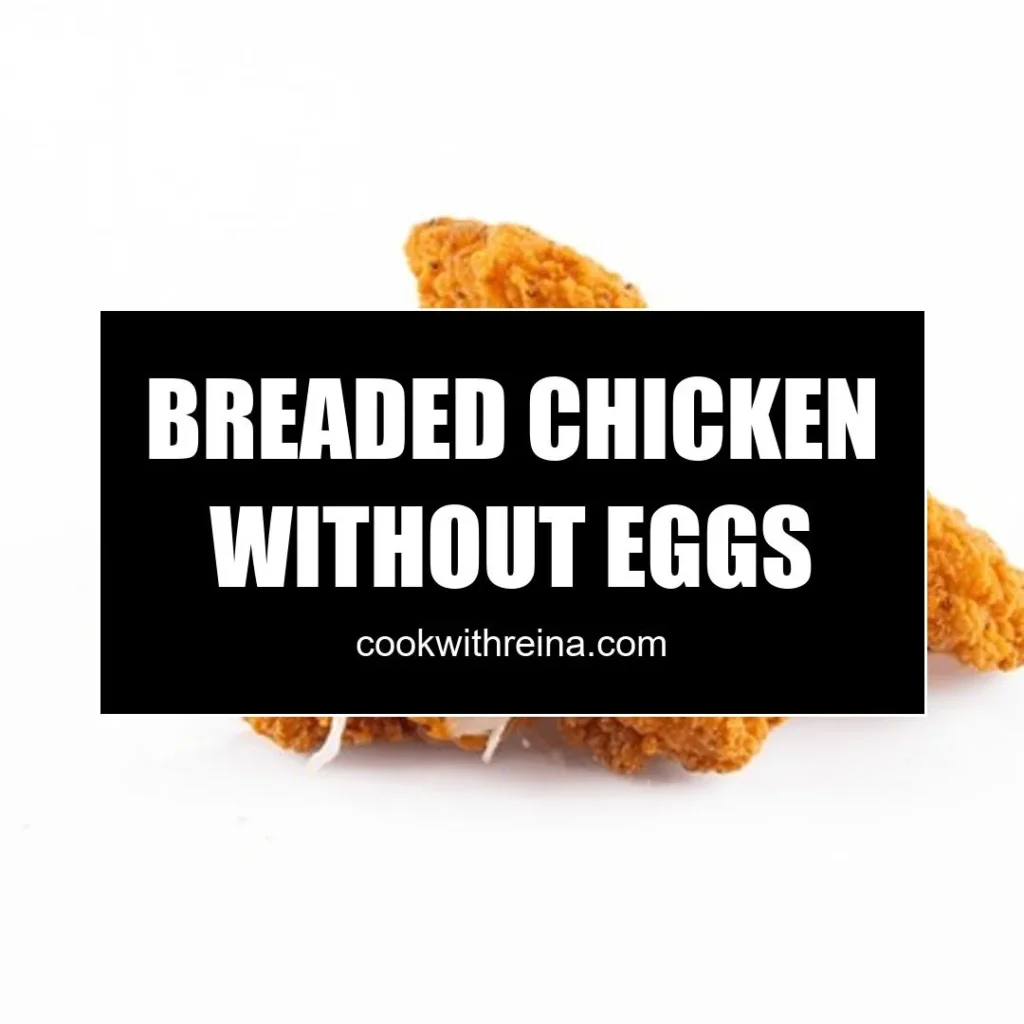
As an Amazon Associate, I may earn a small commission from qualifying purchases at no extra cost to you. This helps me create more valuable, tested content for you.
I often hear from people who want crispy breaded chicken but avoid eggs due to allergies or dietary choices. The good news is you can get that same crunch without them. This method uses a simple batter of flour, water, and spices to coat the chicken before dredging in breadcrumbs.
It’s quick to prepare and cooks up golden in the oven or fryer. Below, I’ll walk you through the full recipe so you can make it right away. From there, we’ll cover everything else you need to know about this dish.
How to Make Breaded Chicken Without Eggs
This recipe serves four and focuses on chicken breasts for a lean protein base. It skips eggs entirely, relying on a wet batter for adhesion. The result is tender chicken with a satisfyingly crisp exterior.
Recipe Details
- Prep Time: 15 minutes
- Cook Time: 20 minutes
- Servings: 4
- Course: Main
- Cuisine: American
- Diet: Gluten-free adaptable, egg-free
Ingredients
- 4 boneless, skinless chicken breasts (about 1.5 lbs or 680 g)
- 1 cup all-purpose flour (120 g)
- 1 cup water (240 ml)
- 1 tsp salt
- 1/2 tsp black pepper
- 1 tsp garlic powder
- 1 tsp paprika
- 2 cups breadcrumbs (220 g, panko for extra crunch)
- 2 tbsp olive oil (for brushing, if baking)
- Vegetable oil (for frying, if preferred)
Instructions
- Pound the chicken breasts to even thickness, about 1/2 inch (1 cm), using a meat mallet or rolling pin. Pat dry with paper towels.
- In a shallow bowl, whisk together the flour, water, salt, pepper, garlic powder, and paprika until smooth. This forms the egg-free batter.
- Place the breadcrumbs in another shallow bowl.
- Dip each chicken piece into the batter, letting excess drip off, then coat evenly in breadcrumbs. Press gently to adhere.
- For baking: Preheat oven to 400°F (200°C). Place chicken on a lined baking sheet, brush with olive oil, and bake for 18-20 minutes, flipping halfway, until internal temperature reaches 165°F (74°C).
- For frying: Heat 1/2 inch (1 cm) vegetable oil in a skillet over medium heat. Fry chicken 4-5 minutes per side until golden and cooked through. Drain on paper towels.
- Let rest for 5 minutes before slicing or serving.
Nutrition
Per serving (baked version, approximate values based on standard ingredients):
- Calories: 350 kcal
- Protein: 35 g
- Fat: 8 g
- Carbohydrates: 30 g
- Sugar: 1 g
- Fiber: 2 g
- Sodium: 650 mg
- Cholesterol: 85 mg
Cooking Method
Baking keeps the dish lighter and uses less oil, ideal for everyday meals. Frying adds more crisp but increases fat content. Both methods ensure even cooking; use a thermometer to check doneness and avoid overcooking, which dries out the meat.
Tools Needed
- Meat mallet or rolling pin
- Shallow bowls (three for batter, breadcrumbs, and empty)
- Baking sheet with parchment (for baking)
- Skillet (for frying)
- Tongs or fork for handling chicken
- Meat thermometer
Understanding the Ingredients
Each component in this recipe plays a key role in texture and flavor. Let’s break them down to help you choose the best options.
Chicken Base
Boneless, skinless chicken breasts provide a mild flavor and quick cooking time. They come from the pectoral muscles of the bird and are naturally low in fat, around 3-4% by weight. For juicier results, opt for organic or free-range, which often have better marbling. Thighs work as a swap for more flavor, though they increase fat to about 10%.
Flour and Batter Alternatives
All-purpose flour creates a smooth batter when mixed with water, mimicking egg’s binding. It has a protein content of 10-12%, which helps form gluten for structure. For gluten-free, use rice flour or a 1:1 blend; it absorbs less water, so adjust thickness. Cornstarch can replace half the flour for extra crispiness, as it gelatinizes at lower temperatures.
Breadcrumbs and Seasonings
Panko breadcrumbs, originating from Japan, offer airy texture due to their coarse, dried process. They brown faster than fine Italian styles. Seasonings like garlic powder and paprika add depth; paprika provides mild smokiness from capsicum peppers, while black pepper enhances savoriness without overpowering.
Nutritional Breakdown
This breaded chicken delivers balanced macros without eggs, making it suitable for protein-focused diets. Chicken supplies complete protein for muscle repair, with all essential amino acids. The breadcrumbs add complex carbs for sustained energy, while the low sugar keeps it stable for blood sugar management.
From a dietician’s view, the fat comes mostly from healthy sources if baked, supporting heart health. Sodium is moderate, but watch additions if on a low-salt plan. Overall, it fits into 2,000 kcal daily intake, providing 20% of protein needs.
Dietary Adaptations
Adapt this recipe easily for various needs. For gluten-free, swap all-purpose flour and breadcrumbs with certified gluten-free versions; almond flour works in the batter for lower carbs. Vegan users can replace chicken with firm tofu or seitan, pressing tofu first to remove water for better coating.
Dairy-free is inherent here, as no dairy is used. For low-carb, use crushed pork rinds instead of breadcrumbs, cutting carbs by 80%. Reduce sodium by halving the salt and using herbs like thyme for flavor.
History and Cultural Context
Breaded chicken traces back to medieval Europe, where cooks coated meats in flour and crumbs before frying to preserve tenderness. Without eggs, it echoes ancient techniques from the Middle East, using chickpea flour batters in dishes like falafel-inspired coatings. In American cuisine, it evolved post-WWII with commercial breadcrumbs, becoming a staple in Southern fried chicken variations, though eggless methods suit modern allergies.
Common Mistakes and Expert Tips
Avoid thin batter, which leads to soggy coating; aim for pancake-like consistency. Don’t skip patting chicken dry—moisture prevents adhesion. For even crisp, bake on a wire rack over the sheet to allow air flow.
As a dietician, I recommend seasoning the batter well to boost flavor without extra calories. Test oil temperature at 350°F (175°C) for frying to prevent greasy results. Resting post-cook redistributes juices for tenderness.
The Science Behind the Crisp
The Maillard reaction drives the golden color and flavor when proteins and sugars in breadcrumbs heat above 300°F (150°C). Without eggs, the flour-water batter creates steam pockets during cooking, puffing the coating. Breadcrumbs’ starch gelatinizes, forming a barrier that locks in moisture while crisping outside.
Serving, Pairing, and Storage
Serve sliced over greens or with roasted vegetables for a complete meal. Pair with a fresh salad to balance the breading, or tangy coleslaw for contrast. For sides, mashed potatoes add creaminess without overwhelming the protein.
Store leftovers in an airtight container in the fridge for up to 3 days. Reheat in a 350°F (175°C) oven for 10 minutes to restore crisp. Freeze uncooked breaded pieces for up to 2 months; thaw before cooking.
Frequently Asked Questions
Can I use this method for chicken tenders?
Yes, cut breasts into strips before battering. Adjust cook time to 12-15 minutes baked or 3-4 minutes fried per side.
Why doesn’t the breading stick without eggs?
The flour-water batter acts as glue, hydrating the breadcrumbs for adhesion. Press firmly during coating for best results.
Is baked or fried healthier?
Baked uses less oil, lowering calories by 100-150 kcal per serving while keeping protein high. Both are nutritious if portioned right.
What if I don’t have panko?
Regular breadcrumbs work fine; toast them first in a dry pan for added crunch and flavor.
Can this be air-fried?
Absolutely—spray with oil and cook at 375°F (190°C) for 10-12 minutes, shaking halfway, for low-oil crisp.
How do I make it spicier?
Add cayenne or chili powder to the batter. Start with 1/4 tsp and adjust to taste.
Is this recipe keto-friendly?
Not as is, due to flour and breadcrumbs. Swap for almond flour batter and pork rind coating to fit keto macros.
Can I prepare it ahead of time?
Bread and refrigerate up to 4 hours before cooking. For longer, freeze as noted in storage tips.