Reina
Reina 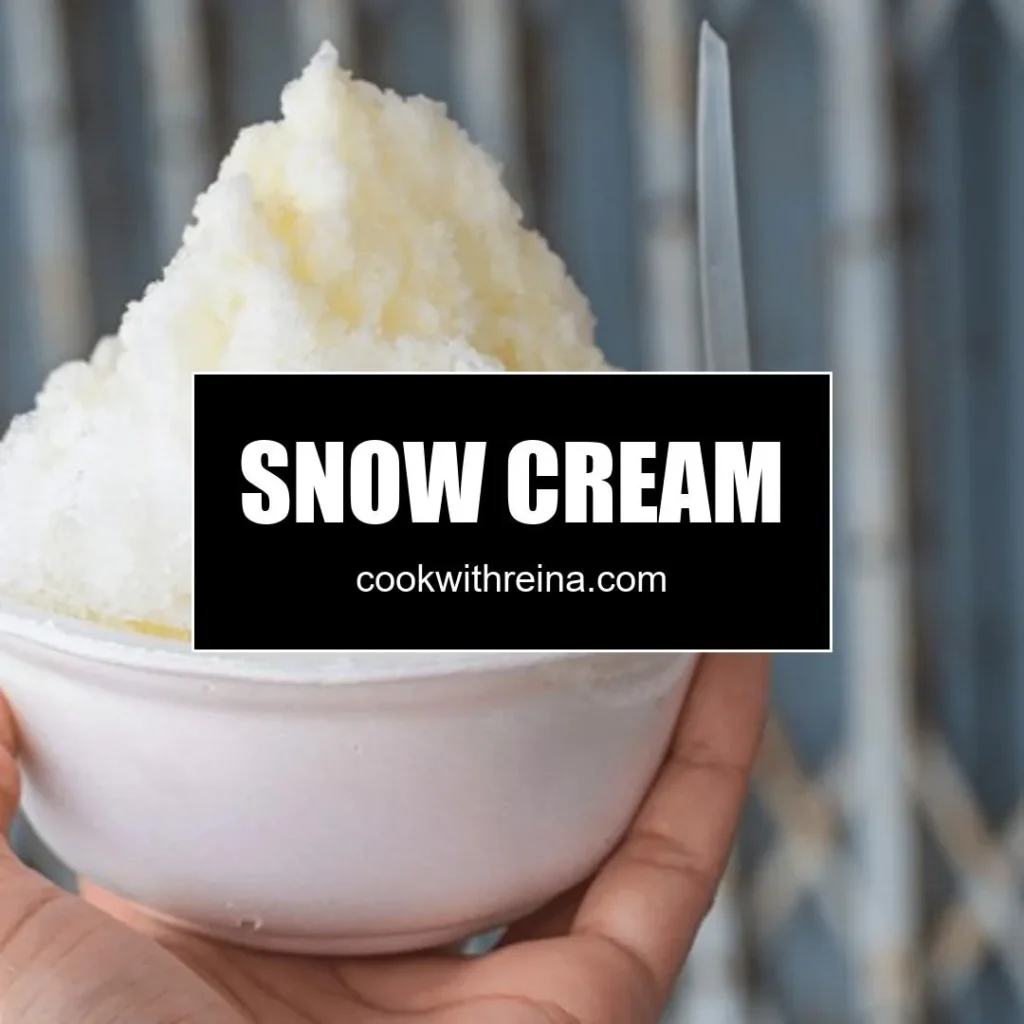
As an Amazon Associate, I may earn a small commission from qualifying purchases at no extra cost to you. This helps me create more valuable, tested content for you.
Imagine transforming a snowy day into a creamy delight right in your kitchen. Snow cream is a simple, nostalgic treat that captures the essence of winter fun. It’s perfect for families looking to make the most of a snow day.
As a dietician, I love how snow cream can be both indulgent and adaptable. You can tweak it to fit your health goals while enjoying a taste of childhood memories. Let me guide you through everything you need to know, from the basic recipe to the science behind it.
This article covers all aspects of snow cream, ensuring you’re equipped to make it safely and deliciously. Whether you’re new to this or a seasoned pro, I’ll address every question you might have. Stick with me, and you’ll have a complete resource at your fingertips.
How to Make Snow Cream
Snow cream is a no-cook dessert that’s easy and quick to prepare. I’ll walk you through the steps to get perfect results every time. Start by gathering your ingredients and tools for a smooth process.
Recipe Details
- Prep Time: 5 minutes
- Cook Time: 0 minutes
- Servings: 4
- Course: Dessert
- Cuisine: American
- Diet: Vegetarian (can be adapted)
Ingredients
- 8 cups fresh, clean snow
- 1 cup whole milk (or alternative milk)
- 1/2 cup granulated sugar
- 1 teaspoon vanilla extract
Instructions
- Collect fresh snow from a clean area, ensuring it’s free of pollutants. Aim for snow that looks white and fluffy.
- In a large mixing bowl, combine the milk, sugar, and vanilla extract. Stir until the sugar fully dissolves, which should take about a minute.
- Gently fold the fresh snow into the milk mixture. Use a spoon to incorporate it slowly, creating a creamy texture without overmixing.
- Serve immediately for the best consistency. Enjoy your snow cream straight from the bowl or customize with toppings.
Nutrition
- • Calories: 150 kcal
- • Protein: 2 g
- • Fat: 4 g
- • Carbohydrates: 25 g
- • Sugar: 20 g
- • Fiber: 0 g
- • Sodium: 30 mg
- • Cholesterol: 10 mg
Cooking Method
The beauty of snow cream lies in its simplicity—no heat or complex techniques required. This mixing method relies on the natural structure of snow crystals to create a soft, ice cream-like texture when combined with liquids. The cold temperature of the snow helps thicken the mixture instantly, making it a fun, instant dessert.
Tools Needed
- Large mixing bowl
- Spoon or spatula for stirring
- Measuring cups and spoons for accuracy
- Container for collecting snow
Choosing Your Ingredients
Selecting the right ingredients can make or break your snow cream. I always emphasize quality because it affects taste, texture, and nutrition. Let’s break down what to look for in each component.
For the snow itself, freshness is key. Choose snow that fell recently and avoid areas near roads or roofs to prevent contamination. This ensures your treat is safe and pure.
Selecting the Right Snow
Fresh snow acts as the base, providing a light, airy texture. I recommend collecting it during or right after a snowfall when it’s pristine. Look for snow that’s powdery, not icy, as it blends better. In terms of safety, always use snow from uncontaminated sources to avoid health risks like bacteria or chemicals.
Understanding Sweeteners
Sweeteners add flavor and balance, but they impact the calorie count. Granulated sugar is common, but you can experiment with others. Honey offers a floral note and has trace nutrients, while maple syrup brings a rich, earthy sweetness. Each choice changes the taste—honey might make it milder, while sugar gives a clean sweetness. From a dietician’s view, opting for lower-glycemic options like stevia can help manage blood sugar levels.
Milk Options and Flavorings
Milk provides creaminess and richness. Whole milk adds fat for a luxurious feel, but skim milk lightens it up. For non-dairy versions, almond or oat milk works well and cuts calories. Flavorings like vanilla extract enhance aroma and taste; pure vanilla is best for its authentic flavor. I suggest starting with small amounts and tasting as you go to avoid overpowering the natural snowiness.
The Nutrition Behind Snow Cream
Snow cream isn’t just fun—it’s a treat with nutritional value worth understanding. As a dietician, I break down how this recipe fits into a balanced diet and what it offers your body. The ingredients can be modified for health benefits, making it versatile.
The basic version provides energy from carbs and a bit of protein, but it’s light on nutrients. For instance, the milk adds calcium and vitamin D, supporting bone health. Sugar, however, can spike blood sugar, so I advise moderation or swaps for better options.
How Snow Cream Affects Your Diet
From a nutritional standpoint, snow cream is low in calories compared to store-bought ice cream, often under 200 kcal per serving. It delivers simple carbs for quick energy, which is great for active days. The fat content depends on your milk choice—dairy adds saturated fat, while plant-based milks might offer healthy fats and less cholesterol. I often recommend it as a occasional treat that can include added fruits for fiber and vitamins.
Why It Works for Weight Management
If you’re watching your weight, snow cream can be a smart choice when adapted. Using low-fat milk or sweeteners like monk fruit reduces calories and sugar. The portion control is easy since it’s made fresh, helping you avoid overeating. Scientifically, the cold temperature can slightly boost metabolism, but the real win is in its customizability to fit low-calorie diets without sacrificing fun.
Adapting for Your Diet
One of the best things about snow cream is how easily it adapts to different dietary needs. Whether you’re vegan, watching sugar, or have allergies, I have practical swaps that keep the magic intact. This flexibility makes it inclusive for everyone.
Vegan and Dairy-Free Adaptations
For a vegan version, swap dairy milk with coconut or almond milk. These alternatives create a creamy texture and add subtle flavors, like the nutty taste of almond milk. Use plant-based sweeteners and ensure your vanilla is alcohol-free if needed. I find that coconut milk gives a richer feel, making it a satisfying option without animal products.
Low-Sugar and Gluten-Free Options
To cut sugar, replace granulated sugar with stevia or erythritol, which have minimal impact on blood glucose. This keeps the sweetness while reducing empty calories. Since snow cream is naturally gluten-free, you don’t need changes there, but always check flavorings for hidden gluten. I recommend adding fruits like berries for natural sweetness and fiber, enhancing both taste and nutrition.
The Story of Snow Cream
Snow cream has roots in simple, resourceful traditions, often tied to rural or snowy regions. As a culinary historian, I see it as a symbol of making do with what’s available. It likely originated in places like the American Midwest or Canada, where winter storms inspired creative cooking.
Historical Origins and Cultural Significance
Historians trace similar dishes to early settlers who used snow or ice with available sweeteners. In the 19th century, it became a staple in households during harsh winters, turning necessity into joy. Culturally, it’s linked to community events, like family gatherings after a snowfall, fostering bonds. I appreciate how it reflects human ingenuity, adapting to seasons and resources across generations.
Modern Twists and Global Variations
Today, snow cream evolves with new flavors, from chocolate to matcha, showing its global appeal. In Asia, versions might use green tea or fruits, while in Europe, herbs add a savory note. This evolution highlights how food traditions spread and change, keeping snow cream relevant in diverse cuisines.
Common Mistakes and Expert Tips
Even simple recipes like snow cream can go wrong, but I can help you avoid pitfalls. Drawing from my experience as a dietician and cook, I’ll share tips to ensure your snow cream is always perfect. Focus on preparation and ingredients for the best outcome.
Avoiding Common Errors
One big mistake is using old or dirty snow, which can introduce contaminants. Always collect fresh snow and rinse it if needed. Overmixing can make it icy instead of creamy, so gentle stirring is key. I also see people adding too much liquid, resulting in a soupy texture—stick to the ratios for balance.
Pro Tips for Perfection
For a smoother result, chill your bowl and tools beforehand to maintain the snow’s coldness. Experiment with add-ins like nuts or cocoa for variety, but keep portions in mind for calorie control. As a dietician, I suggest using this as a chance to incorporate nutritious elements, like Greek yogurt for extra protein. Remember, timing matters; serve it right away to enjoy the ideal consistency.
Serving, Pairing and Storage
Once your snow cream is ready, think about how to present and enjoy it fully. Proper serving enhances the experience, and I can guide you on pairings that complement its lightness. Storage is tricky due to its nature, but I’ll cover that too.
Best Ways to Serve and Pair
Serve snow cream in chilled bowls to keep it from melting too fast. Pair it with warm cookies or fresh fruit for contrast—berries add a tartness that balances the sweetness. For a meal, it works as a light dessert after heavy winter dishes. I love pairing it with herbal tea to aid digestion and keep the theme cozy.
Storage Guidelines
Snow cream doesn’t store well due to its fresh ingredients, so eat it soon after making. If you must save some, freeze it in an airtight container, but it may lose texture. Thaw briefly in the fridge and remix before serving. As a dietician, I advise consuming it fresh to retain quality and avoid food safety issues.
The Science
Behind the fun of snow cream is some fascinating kitchen science. Understanding the basics helps you tweak the recipe with confidence. I’ll explain the key principles in simple terms.
Why Snow Works and Texture Matters
Snow’s structure is made of tiny ice crystals that trap air, giving it a fluffy base. When mixed with liquids, these crystals melt slightly, creating a creamy consistency similar to ice cream. The temperature plays a role: colder snow holds its shape better, while warmer mixtures can become watery. From a scientific view, this process involves gentle agitation to avoid over-melting, ensuring a delightful mouthfeel.
Frequently Asked Questions
Is snow cream safe to eat?
Yes, snow cream is safe if you use fresh, clean snow from uncontaminated areas. Avoid snow near pollution sources and collect it during or right after a snowfall to minimize risks. As a dietician, I always stress checking for purity to prevent health issues.
Can I make snow cream with artificial snow?
No, artificial snow isn’t suitable for eating as it may contain chemicals or be non-edible. Stick to natural snow for safety and authentic texture. Real snow provides the light, airy quality that makes this treat special.
How can I make snow cream healthier?
To make it healthier, use low-calorie sweeteners like stevia and non-dairy milks such as almond milk. Add fruits or nuts for nutrients and fiber. This reduces sugar and calories while keeping the fun, as I often recommend for balanced indulgence.
What’s the best time to collect snow for snow cream?
The best time is during or immediately after a fresh snowfall when the snow is clean and powdery. This ensures it’s free of debris and has the ideal texture for mixing. Waiting too long can introduce contaminants, so act quickly.
Can kids help make snow cream?
Absolutely, it’s a great family activity for kids. Supervise them during snow collection and mixing to teach kitchen safety. It fosters creativity and provides a fun, educational experience about food and seasons.
How does snow cream compare to regular ice cream?
Snow cream is lighter and less calorie-dense than regular ice cream, with fewer additives. It uses natural snow for texture, making it a fresher alternative. However, it lacks the smoothness of commercial ice cream, which often includes emulsifiers.
Can I add alcohol to snow cream?
Yes, you can add a splash of alcohol like vanilla liqueur for adults, but do so sparingly to avoid making it too liquid. This can enhance flavor, but be mindful of alcohol content and serve responsibly. As a dietician, I suggest it for special occasions only.
What’s the shelf life of snow cream?
Snow cream has a very short shelf life and should be eaten immediately. If stored in the freezer, it might last a few hours, but texture can suffer. Always prioritize freshness for the best taste and safety.
Is snow cream suitable for people with lactose intolerance?
Yes, by using lactose-free or plant-based milks, snow cream becomes an option for those with lactose intolerance. This swap maintains creaminess without digestive discomfort, making it inclusive for many diets.
How can I make snow cream in warmer climates?
In warmer areas, you can use crushed ice as a substitute for snow, though it won’t be as light. Blend the ice finely and follow the same recipe. It’s not traditional, but it captures the spirit of the treat year-round.